Bus Accident Claims California: Liability Compensation Guide
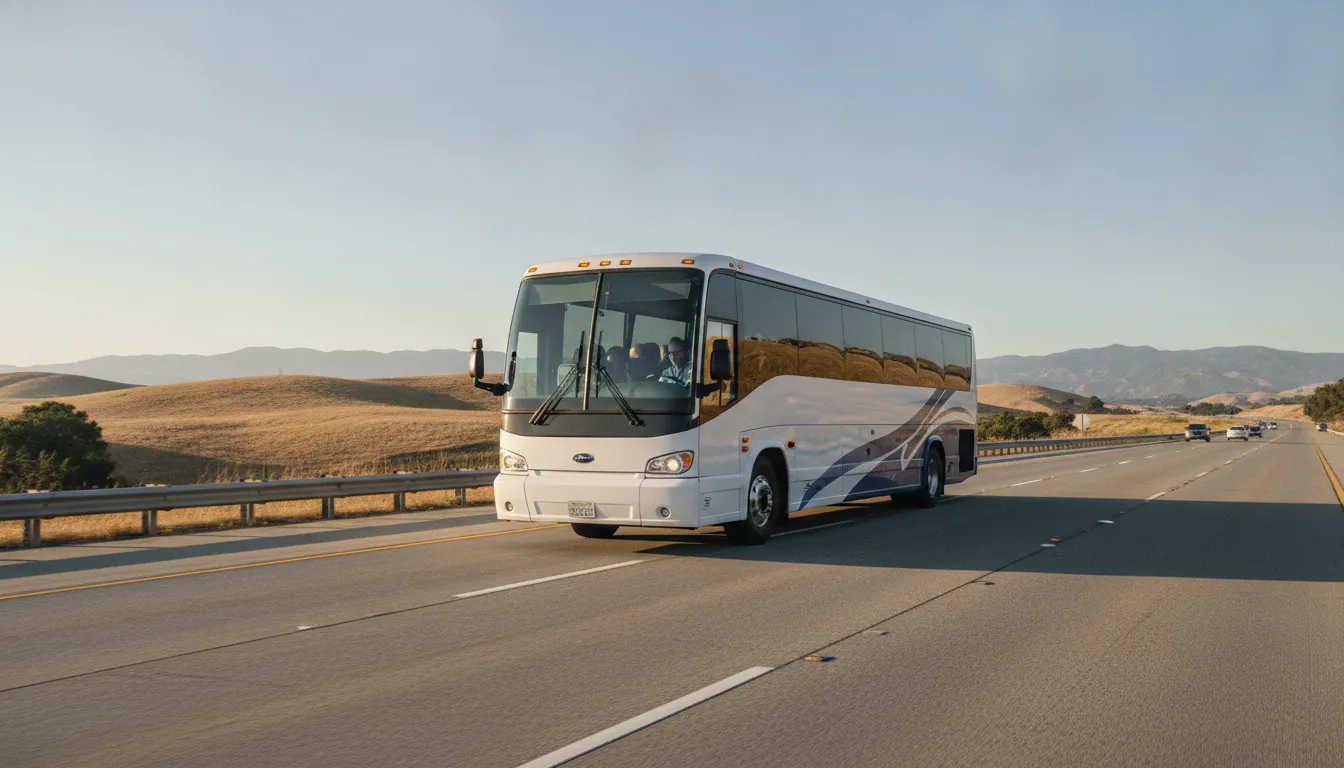
A bus crash can leave you dealing with serious injuries while several organizations point responsibility in different directions. The answer may depend on whether the bus was operated by a public transit agency, school district, charter company, or another private carrier. It can also depend on acting before a legal deadline expires.
Bus accident claims California may involve a higher passenger-safety duty than an ordinary car crash. Because California Civil Code section 2100 requires carriers of passengers for reward to use the “utmost care and diligence” for safe carriage. If a public entity operated the bus, Government Code section 911.2 generally requires an injury claim within six months.
That combination of heightened duties, multiple potentially responsible parties, and different filing rules makes early evaluation important. Understanding how California determines bus accident liability is the first step toward protecting evidence, identifying the correct defendants, and preserving your ability to seek compensation.
Bus Accident Claims California: Understanding Bus Accident Liability in California
California treats bus passengers differently from people traveling in ordinary cars. Under Civil Code Section 2100, a carrier of persons for reward must use “utmost care and diligence” for passengers’ safe carriage. That is a higher duty than the ordinary-care standard generally applied to drivers in a typical car accident. A bus operator may face liability when unsafe driving, inadequate supervision, poor safety practices, or another preventable failure contributes to a crash.
How the common-carrier standard affects a claim
In an ordinary negligence case, an injured person typically must show that a driver failed to act as a reasonably careful driver would have acted. The common-carrier rule asks more of a bus operator because passengers place their safety in the carrier’s hands. The operator must provide what is reasonably necessary for safe transportation and exercise an appropriate degree of skill. The specific evidence still matters, including driver conduct, road conditions, vehicle condition, and whether the carrier followed required safety procedures.
This standard can be important when evaluating bus accident claims California victims bring after injuries. The bus’s ownership and operation also matter. California bus accidents may involve municipal transit agencies such as LA Metro or SFMTA, school districts, and private charter or intercity companies. Public and private operators can be subject to different claim procedures and deadlines, so identifying the responsible entity promptly is essential.
Who may be responsible for a bus crash?
Liability is not always limited to the person behind the wheel. Depending on the evidence, potentially responsible parties may include:
- The bus driver: A driver may be liable for distracted driving, speeding, unsafe lane changes, failure to yield, fatigue, or other negligent conduct.
- The bus company or public agency: An operator may be responsible for negligent hiring, training, supervision, dispatching, or maintenance. A government entity may also be involved when the bus is operated by a city, county, transit agency, or school district.
- A maintenance contractor: If defective brakes, tires, doors, steering, or other service failures contributed to the collision, a contractor that inspected or repaired the vehicle may share responsibility.
- The vehicle manufacturer: A design or manufacturing defect can create a separate product-liability claim.
- A third-party driver: A motorist who cuts off a bus, runs a red light, or otherwise causes the collision may be liable, even if passengers were injured on the bus.
Because multiple parties and insurance systems may be involved, early investigation can protect evidence and clarify which deadlines apply. If you are unsure whether to speak with a California bus accident lawyer, reviewing the operator, crash evidence, and potential claims promptly can help you avoid overlooking a responsible party.
Government Claims vs. Private Bus Claims: Critical Deadline Differences
The bus operator’s identity can determine which deadline controls your case. A collision involving LA Metro, SFMTA, AC Transit, or a school district bus generally involves a public entity. Greyhound, charter buses, tour buses, and private shuttles follow a different path. The distinction matters because missing the public-entity claim deadline can permanently forfeit your right to sue.
| Claim Type | Deadline | Governing Law | Response Window | Lawsuit Trigger |
|---|---|---|---|---|
| Public transit (LA Metro, SFMTA, AC Transit, school district buses) | File a government claim within 6 months after the injury or other cause of action accrues. | California Government Code § 911.2 | The public entity generally has 45 days to respond. If it does not respond, the claim is deemed rejected. | Rejection, or deemed rejection after 45 days, allows the claimant to proceed toward a lawsuit. |
| Private carriers (Greyhound, charter, tour, and shuttle buses) | Usually 2 years from the date of the accident to file a personal injury lawsuit. | California Code of Civil Procedure § 335.1 | No government claim presentation or 45-day public-entity response period applies. | The claimant may file suit without first presenting a Government Claims Act notice, subject to applicable procedural rules and defenses. |
Why the public-bus deadline is especially dangerous
People often assume the ordinary two-year personal injury period applies to every bus crash. For a public bus, that assumption can be fatal to the claim. Government Code § 911.2 requires the written claim within six months, not merely a lawsuit within two years. If that deadline passes, the injured person can permanently lose the right to sue the public entity, even if the injuries are serious and the evidence supports liability.
The 45-day response period does not extend the six-month filing deadline. It applies after the claim has been properly presented. A delayed response may result in deemed rejection, but it does not restore a claim that was never filed on time. Identifying the operator, confirming whether a government agency owns or manages the route, and preserving the incident details should happen immediately after the crash.
These rules are a starting point, not a substitute for case-specific legal advice. Exceptions, claim presentation defects, late-claim procedures, and other deadlines may affect the analysis. If you are unsure whether the bus was public or private, treat the matter as urgent and obtain advice before the six-month period expires.
Common Types of Bus Accidents and Injuries in California
The bus involved in a collision can affect who is responsible, which insurance applies, and how quickly a claim must be filed. Municipal transit buses operated by agencies such as LA Metro, SFMTA Muni, AC Transit, or Sacramento RT may create a claim against a public entity. School bus cases may involve a public school district, a school transportation department, or a private contractor. Public school districts generally require a government claim, while a private contractor may be subject to different procedures.
Charter and tour buses, intercity carriers such as Greyhound or FlixBus, and hotel shuttles are typically operated by private companies. Potentially responsible parties may include the driver, carrier, vehicle owner, maintenance provider, school district, transit agency, or another driver whose conduct contributed to the crash. Identifying the operator early matters because different parties can have different insurance coverage, legal duties, and claim deadlines.
Common injuries after a bus crash
Passengers and other people involved in a bus collision can suffer injuries even when the bus does not overturn. Common harm includes:
- Spinal cord injuries: Damage to the neck or back can cause paralysis, reduced mobility, chronic pain, and a need for long-term care.
- Traumatic brain injuries: A blow, jolt, or sudden movement may cause a concussion or more serious cognitive, emotional, or physical impairments.
- Fractures: Broken arms, legs, ribs, hips, and facial bones may require surgery, rehabilitation, and time away from work.
- Soft tissue damage: Whiplash, sprains, strains, and muscle injuries can cause persistent pain even when imaging does not show a fracture.
- Wrongful death: A fatal crash may support a wrongful-death claim for qualifying surviving family members.
Reported California bus accident settlements range from approximately $50,000 for minor injuries to more than $5 million in catastrophic-injury or fatal-accident cases. No range predicts the value of an individual claim. Medical prognosis, lost income, future care, liability evidence, and the identity of the responsible parties all matter. For a broader explanation of compensation for bus accident victims, review the related guide, then seek advice promptly because a public-entity deadline may be much shorter than a private-carrier deadline.
What to Do After a Bus Accident in California
Taking the right steps after a bus crash can protect your health and preserve a claim before critical evidence disappears. The timeline is especially important when a public transit agency, school district, or other government entity may be involved.
-
Get medical care and document your injuries
Seek medical attention immediately, even if your symptoms seem minor. Some injuries become more apparent hours or days after a collision. Tell the medical provider about every symptom, follow the recommended treatment plan, and keep records of visits, diagnoses, prescriptions, and restrictions. Photograph visible injuries as they develop and keep a brief record of pain, limitations, and missed work.
-
Preserve evidence before it disappears
If you can do so safely, photograph the accident scene, vehicle damage, road conditions, visible injuries, and anything that may help explain what happened. Save your clothing, damaged personal property, transit pass, and other accident-related materials. Ask that the bus operator preserve and produce its video footage. Buses almost always have cameras, and recordings may be overwritten under the operator’s normal retention practices. You can also document your evidence after a bus crash with a more detailed checklist.
-
Identify the bus operator
Find out whether the bus was operated by a public transit agency, school district, or other government entity, or by a private company. Check the bus markings, route information, incident report, driver information, and any available witness accounts. This distinction determines which claim deadline may apply and whether special government-claim procedures are required.
-
File a government claim promptly if the operator is public
For a claim involving a public entity, California Government Code section 911.2 generally requires the claim to be presented within six months after the cause of action accrues. The six-month clock starts on day one, not when you finish medical treatment or decide to speak with a lawyer. Missing this deadline can permanently forfeit your right to sue the public entity. Do not wait until the deadline is close to determine whether a government claim is necessary.
-
Speak with a personal injury lawyer before insurers
Contact a lawyer before giving a recorded statement, signing a release, or making a detailed statement to an insurance adjuster. An adjuster’s questions may focus on minimizing the claim or obtaining words that can later be taken out of context. A lawyer can help identify responsible parties, protect evidence, determine the applicable deadline, and communicate with insurers while your claim is evaluated.
These steps do not replace case-specific legal advice. If a government bus may be involved, treat the six-month deadline as urgent and obtain legal guidance as soon as possible.
Compensation Available in California Bus Accident Claims
The value of a bus injury case depends on the severity of the harm, the evidence, the responsible parties, and how the injury affects your life. A settlement range reported in competitor research runs from approximately $50,000 for some minor-injury cases to $5 million or more for catastrophic or fatal cases. Those figures are not a promise or a valuation of any individual claim. Every case requires a fact-specific evaluation.
Medical expenses and future care
Recoverable damages may include reasonable medical expenses already incurred, such as emergency treatment, hospital care, surgery, medication, rehabilitation, and medical equipment. A claim may also include reasonably expected future treatment. For a catastrophic injury, that can mean long-term rehabilitation, home modifications, attendant care, mobility equipment, and other services needed to support independence. Medical records and opinions from qualified providers help establish both the treatment required and its likely cost.
Lost income and reduced earning capacity
If injuries keep you from working, compensation may cover income lost during recovery. A claim may also address reduced earning capacity when the injury affects your ability to return to the same job, work the same hours, or pursue future advancement. Pay records, employment history, medical restrictions, and an economic analysis can help show the difference between expected earnings and what you can realistically earn after the crash.
Pain, suffering, and other losses
California injury claims may also seek compensation for physical pain, emotional distress, loss of enjoyment of life, scarring, disfigurement, and the effects of permanent disability. The amount depends on the evidence, the injury’s duration and severity, and its impact on daily activities and relationships. If medical malpractice becomes a secondary factor while you receive post-accident care, California’s Medical Injury Compensation Reform Act, or MICRA, may affect or cap noneconomic damages. That issue requires careful legal analysis.
California’s standard two-year limitations period generally applies to claims against private bus carriers under Code of Civil Procedure section 335.1. But public-entity claims involve a much shorter government-claim deadline. Do not wait to investigate the operator or preserve evidence. James McKiernan Lawyers has recovered over $350 million for California injury victims, a track record that reflects experience rather than a guarantee. Learn more about our personal injury services or explore bus accident legal representation.
Frequently Asked Questions
What is the deadline for a California bus accident claim?
If a public transit agency, school district, or other government entity may be responsible, you generally must present a written claim within six months under California Government Code section 911.2. A private carrier claim generally follows the two-year personal injury period under California Code of Civil Procedure section 335.1. Because identifying the operator can take time, preserve evidence and get legal guidance promptly.
How is bus accident liability different from an ordinary car crash?
California bus operators carrying passengers for compensation must use the “utmost care and diligence” for safe transportation under Civil Code section 2100. That is a higher duty than the ordinary care standard commonly applied to drivers. Liability may also involve more than the driver, including the carrier, a government agency, a maintenance provider, or another responsible party.
Can I bring a claim against a school district after a bus crash?
Possibly. School buses are often operated by school districts or other public entities, so the claim may require compliance with the government claims process. The six-month deadline can apply before a lawsuit may proceed. The correct defendant and filing requirements depend on who owned, operated, maintained, or controlled the bus.
What compensation may be available after a bus accident?
A claim may seek compensation for past and future medical care, lost income, pain and suffering, and other losses supported by the evidence. The value depends on the injuries, treatment, lasting effects, responsibility, and available insurance or public-entity remedies. Catastrophic injuries and wrongful death require a particularly careful assessment of future losses.
Do I need a lawyer for a bus accident claim?
Legal representation is not mandatory, but bus cases can involve a higher passenger-safety duty. Multiple potentially responsible parties, preserved vehicle footage, and different deadlines for public and private operators. If a government entity is involved, missing the six-month claim deadline can permanently bar the claim. A lawyer can help identify the operator and protect the evidence and filing rights.
Ready to Discuss Your Bus Accident Claim?
Bus accident claims can involve multiple parties and deadlines that depend on who operated the bus. A conversation with an experienced lawyer can help clarify your options and the next steps for protecting your claim. To schedule a free consultation with our experienced bus accident lawyers, contact James McKiernan Lawyers online.
Attorney Advertising. This article is for informational purposes only and does not constitute legal advice. Past results do not guarantee future outcomes. Every case is unique and must be evaluated on its own facts.