Negligent Security Lawsuit: California Guide
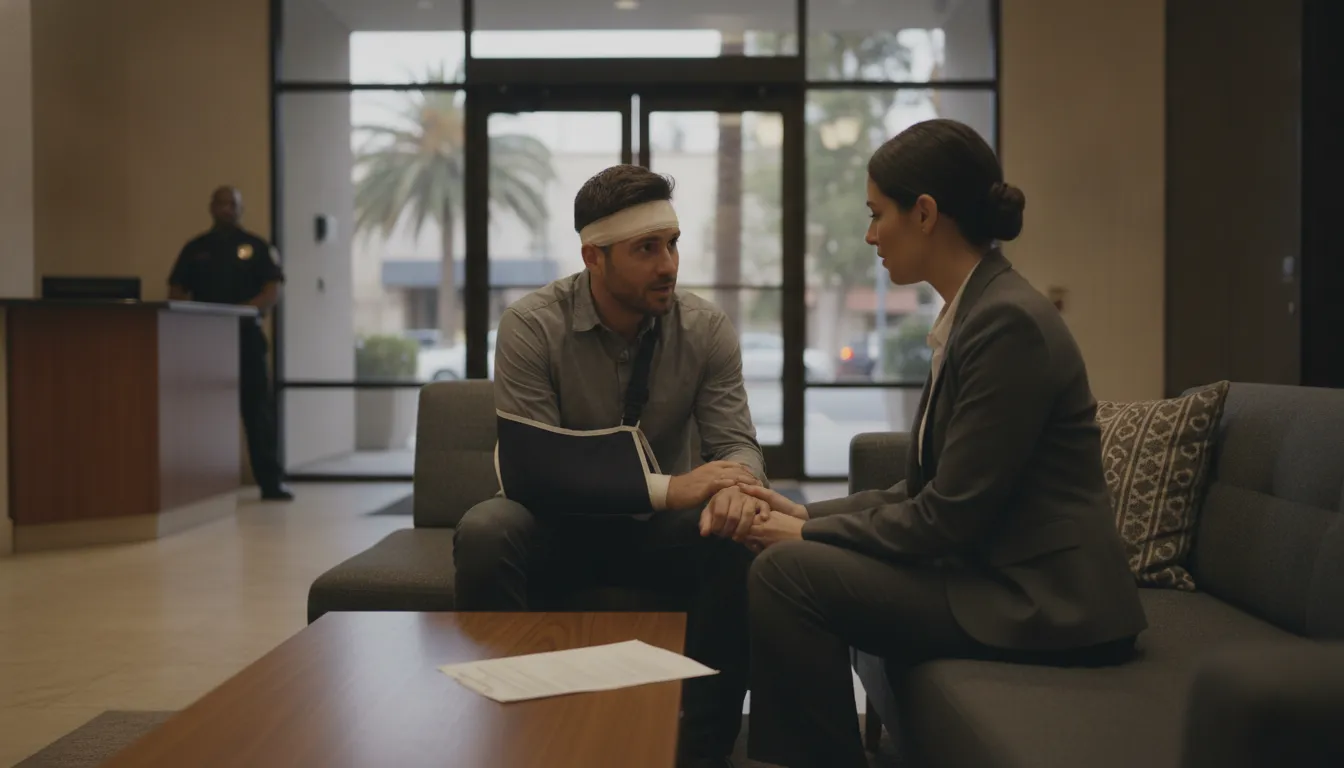
If you were assaulted, robbed, or otherwise injured because a property may have lacked reasonable security, the next steps can feel unclear. A negligent security lawsuit may be possible when evidence connects the injury to an unreasonable security condition, a foreseeable risk, and a party responsible for the property or its security. That does not mean the property owner caused the criminal act, and every case depends on its specific facts.
In California, a negligent security claim generally asks whether someone responsible for managing the property failed to use ordinary care under the circumstances. California Civil Code section 1714 recognizes responsibility for injuries caused by a lack of ordinary care in managing property or a person. Investigators may examine the location, prior warnings or incidents, security practices, and whether a reasonable precaution could have reduced the risk.
Contact James McKiernan Lawyers for a case assessment.
The legal analysis starts with defining the claim and separating possible property-related negligence from responsibility for another person’s criminal conduct. Understanding that boundary helps clarify what evidence and liability questions matter next.
What Is a Negligent Security Lawsuit in California?
A negligent security lawsuit is a civil injury claim involving an allegation that inadequate property security contributed to harm caused by another person. The incident might involve an assault, robbery, shooting, or other criminal conduct at an apartment complex, business, parking area, hotel, or another property. The central question is not simply whether a crime occurred. It is whether the property’s owner or another responsible party failed to use reasonable care under the circumstances, and whether that failure contributed to the injury.
California Civil Code section 1714 states that a person is responsible for an injury caused by a lack of ordinary care or skill in managing property or person. That general rule can provide part of the framework for evaluating a security-related premises claim. Read the statute at California Civil Code section 1714.
This type of case does not necessarily claim that the property owner committed, directed, or intended the criminal act. The alleged negligence may instead involve conditions or decisions that left people exposed to a reasonably identifiable risk. Depending on the facts, examples might include an unresolved access problem, inadequate lighting, a broken security feature, or a failure to take reasonable precautions in a common area. Whether any measure was required depends on the property, its use, the parties’ control, what was known or should have been known, and the circumstances of the event.
California premises-liability law does not impose an automatic duty to prevent every crime or require every property to use the same security measures. A claim must be evaluated through its specific facts, including notice, foreseeability, causation, and the nature of the injuries. The criminal actor’s responsibility and a property-related negligence claim are separate questions, although the same event may be relevant to both.
This guide focuses on practical questions about evidence, responsible parties, liability, losses, and next steps. It explains what evidence may help clarify the security conditions and which parties may have had responsibility. It also discusses how liability is evaluated and what steps may protect a potential case. For broader background, see our guide to California premises liability rules.
What Evidence Supports a Negligent Security Lawsuit?
A strong claim usually depends on a connected proof chain, not one piece of evidence. The available records should help explain what happened, what security condition or omission may have contributed, whether the risk was known or reasonably foreseeable, and how the incident caused injury. The right evidence varies with the location and circumstances. You may not need every category below, but preserving several types early can make later investigation more reliable.
| Evidence | What it may help show | Likely source or custodian |
|---|---|---|
| Incident reports and emergency records | The time, location, reported events, responding personnel, and initial descriptions of the incident | Property management, security staff, police, fire department, or emergency medical personnel |
| Photographs and video | Lighting, visibility, entrances, locks, barriers, cameras, conditions at the scene, and the immediate aftermath | The injured person, witnesses, nearby businesses, property owner, or surveillance vendor |
| Witness names and statements | What occurred, who was present, what was visible, and whether warnings or security personnel were available | Witnesses, employees, residents, visitors, or responding officers |
| Property policies and training records | Expected security procedures, staffing, patrols, reporting practices, and whether those procedures were followed | Property owner, landlord, operator, manager, or security contractor |
| Prior incident information | Whether similar events or complaints may have put a responsible party on notice of a recurring risk | Property records, police records, incident logs, tenant records, or public agencies |
| Lighting, access, and maintenance records | Whether lights, gates, locks, alarms, cameras, or access controls were installed, working, inspected, or repaired | Owner, manager, maintenance company, security provider, or utility contractor |
| Medical records and bills | The nature of the injuries, treatment received, recovery needs, and losses connected to the incident | Doctors, hospitals, therapists, pharmacies, health insurers, and the injured person |
Some evidence disappears quickly. Surveillance systems may overwrite recordings, outdoor conditions may change, and witnesses may become difficult to locate. Save your own photographs, messages, and medical paperwork, and ask that potentially relevant video and records be preserved. Our guide to preserving evidence after an injury offers related practical steps.
Evidence is most useful when it is gathered in context. A dark area alone does not establish liability, and a prior incident alone does not answer every legal question. Investigators generally need to compare the condition with the property’s control and procedures, available notice, and resulting harm before assessing whether a negligent security lawsuit may be supported.
Who May Be Responsible for a Security-Related Injury?
A negligent security lawsuit may involve more than the person or company that owns the property. The relevant party often depends on who controlled the area, who managed day-to-day operations, who had notice of a dangerous condition, and what contractual duties applied. Those questions require a fact-specific investigation. No property owner, landlord, business, manager, or security company is automatically liable simply because an injury occurred on the premises.
Property owners and landlords
An owner or landlord may be relevant when it retained control over common areas, parking lots, entrances, lighting, gates, locks, or other security features. A lease can divide responsibilities between the owner and a tenant, but the language of the lease is only part of the analysis. The parties’ actual conduct may also show who inspected the property, received complaints, arranged repairs, or made security decisions.
Businesses, operators, and property managers
A business operator may be involved when it controlled the location where the injury occurred or directed how customers, employees, or visitors were protected. For example, the operator may have managed access, staffing, lighting, surveillance, crowd control, or responses to known problems. A property manager may also be relevant if it handled maintenance, security vendors, incident reports, or communications about recurring risks.
California cases have examined duties connected to common areas within a party’s possession and control. In Ann M. v. Pacific Plaza Shopping Center, the California Supreme Court discussed the scope of a shopping center owner’s control over common areas and whether the facts supported a duty to provide security guards. The decision illustrates why the particular property arrangement and circumstances matter; it does not create a universal rule that every property must employ guards.
Security contractors and other responsible parties
A security contractor may become part of the investigation if it agreed to provide guards, patrols, monitoring, access control, or a specific response. The contract, post orders, schedules, training records, and incident communications may help show what services were promised and performed. Even then, the contractor’s role does not automatically establish legal responsibility. The evidence must connect the assigned duty, the alleged failure, and the injury.
Reviewing California premises liability rules can provide helpful background. A lawyer can then compare those principles with the lease, contracts, security records, property layout, and facts surrounding the incident.
How Do Notice and Foreseeability Affect the Claim?
In a California negligent security lawsuit, an important question is whether the responsible party knew, or reasonably should have known, about a security risk before the injury. The analysis is not based on a single crime-rate number or an automatic rule requiring every property to hire guards. Instead, it considers the property, the people invited there, the surrounding circumstances, and whether reasonable precautions were available.
California Civil Code section 1714 states that a person may be responsible for an injury caused by a lack of ordinary care in managing property or a person. In a security case, that principle can require a careful look at whether a property owner or operator responded reasonably to a foreseeable risk. The statute is the starting point, not a conclusion that liability exists in every case.
What can show notice of a security risk?
Prior incidents may be important. Police reports, incident logs, complaints, witness accounts, and records held by a business or property manager may help show what happened before and whether decision-makers were alerted to a recurring concern. The relevant history may involve the same property, a particular entrance, a parking area, or another location under the party’s control. California courts have also considered whether foreseeability can be shown through evidence beyond prior similar incidents on the exact premises. The facts and available evidence matter.
How do property conditions affect foreseeability?
Physical conditions may provide additional context. Investigators may examine whether lighting left walkways or parking areas difficult to see, whether gates or doors controlled access, whether locks or other security features were broken, and whether employees had a reasonable way to monitor a vulnerable area. A secluded location, unrestricted access, or a known maintenance problem does not automatically establish negligence. These details help evaluate what precautions were practical under the circumstances.
The question is usually whether reasonable precautions could have reduced a foreseeable risk, not whether a property had perfect security. Preserving records and examining who controlled the area can help clarify that question. For broader context, review these California premises liability rules.
What Damages Can a Negligent Security Lawsuit Involve?
The losses in a negligent security lawsuit depend on the injuries, the recovery process, and how the incident affects your ability to live and work. A case evaluation should look beyond the immediate emergency room bill and consider the full impact of the injury. The available categories are specific to the facts, so no list can predict what an individual claim may be worth.
Medical and related care
Compensation may involve reasonable medical care connected to the injury. Depending on the circumstances, this can include emergency treatment, hospital care, follow-up visits, medication, physical therapy, mental health treatment, and future care recommended by medical providers. Records should show what treatment was provided, why it was necessary, and how it relates to the incident. A lawyer may also examine transportation, equipment, or other out-of-pocket costs that arose during recovery.
Lost income and reduced work capacity
An injury can affect income in more than one way. You may miss work while receiving treatment, be unable to perform your usual duties, or need a gradual return with restrictions. Some injuries affect future work capacity as well. Pay records, schedules, employer information, tax documents, and medical restrictions can help establish the practical effect on your employment. The analysis should reflect your actual work history and circumstances rather than assume a particular outcome.
Pain, emotional distress, and daily limitations
Non-economic harm can include physical pain, emotional distress, sleep disruption, fear, loss of enjoyment, and the inconvenience of living with temporary or lasting limitations. An injury after an assault or other security-related incident may also affect a person’s sense of safety. Medical notes, treatment history, personal records, and statements from people who observe the changes may help explain these effects. They are part of the injury picture, not a substitute for evidence of the underlying claim.
Evaluating these losses also requires examining the injury, available evidence, responsible parties, and applicable California premises liability rules. This is different from asking for a settlement average. The relevant question is how the documented harm relates to the incident and the legal issues in your specific case.
Contact James McKiernan Lawyers for a case assessment to discuss what happened and what information may help evaluate your injuries.
What Should You Do After a Security-Related Injury?
The first days after an assault or other security-related injury can feel disorganized. Focus on your health and preserve information while the details are still fresh. These steps can help protect your options, but they are general guidance, not a substitute for advice about your specific circumstances.
- Get medical care promptly. Call 911 or seek emergency care when appropriate. Follow the treatment plan, attend recommended appointments, and explain all symptoms to your medical providers. Keep discharge instructions, bills, prescriptions, work restrictions, and other records. A prompt medical record can also help document when the injury occurred and how it affected you.
- Report and document the incident. Notify the property owner, business, manager, or security office if it is safe to do so, and ask how to obtain an incident report. Write down the date, time, location, sequence of events, description of the assailant if known, and security conditions such as lighting, gates, locks, cameras, or staffing. Take photographs or video of the scene and your visible injuries when possible. Do not return to a dangerous area to collect evidence.
- Preserve evidence before it disappears. Save clothing, damaged property, messages, receipts, and photographs in their original form. Ask the property or business to preserve surveillance footage and related records. Do not delete social media posts, direct messages, location data, or other digital information. Avoid posting detailed statements about the incident while the facts are being reviewed. You can also review this guide to preserving evidence after an injury.
- Identify witnesses and be cautious with statements. Record names, phone numbers, and what each witness personally observed. Cooperate with law enforcement and provide accurate information. Before giving a recorded statement to an insurer, property representative, or another investigator, make sure you understand who is requesting it and why. Do not guess, speculate, or sign a release without understanding its effect.
- Seek legal review without waiting. California Code of Civil Procedure section 335.1 generally provides a two-year period for an action seeking damages for injury caused by another person’s wrongful act or negligence. Read the official text of section 335.1, but do not treat two years as a safe planning deadline. Exceptions may apply, and claims involving a public entity can have separate notice and filing requirements. A lawyer can assess the facts, identify potentially responsible parties, and determine which deadlines apply. For a broader process overview, review these California premises liability claim steps.
Early review may also help preserve surveillance, maintenance, incident, and witness evidence before it is lost or overwritten. If you are considering a negligent security lawsuit, gather what you have and ask for case-specific guidance as soon as reasonably possible.
How Can a Lawyer Evaluate a Negligent Security Lawsuit?
A lawyer usually begins by building a clear account of what happened, rather than making an immediate conclusion about liability. That review can help identify what evidence exists, which parties controlled the property, and whether the available facts support further investigation.
Organizing the incident and identifying responsibility
The timeline may include when you arrived, what you observed about lighting, doors, cameras, guards, or access controls, when the incident occurred, and what happened afterward. A lawyer may then identify the owner, landlord, business operator, property manager, or security contractor. The relevant question is not simply who owns the property. It is who had control over the condition at issue, who had notice of a potential danger, and what duties may have been assigned by a lease or service agreement.
Testing the evidence
Records can disappear quickly. Counsel may seek incident reports, surveillance footage, maintenance and access records, security policies, witness information, and documentation of earlier incidents. Photographs and medical records can help connect the condition and event to the injuries claimed. The review also considers whether the security condition was documented before it changed and whether the property had notice, or reasonably should have had notice, of a risk.
These questions require a fact-specific analysis. California law does not provide one universal security measure for every property or incident. Instead, the evaluation considers the circumstances, the condition of the premises, available notice or foreseeability evidence, and the reasonableness of the response. A lawyer may also assess medical care, lost income, and other injury-related losses without promising a particular recovery.
Deadlines matter as well. Potential exceptions, public-entity rules, and other facts can change the analysis, so waiting to gather records may limit available options. Our premises liability attorney guide can help explain the review process. James McKiernan Lawyers, headquartered in San Luis Obispo, represents injured people throughout California, including the Central Coast, and offers full-service, contingency-based representation. A case assessment can clarify what to preserve and what questions require closer legal review.
Frequently Asked Questions
What must I prove in a negligent security lawsuit?
You generally need evidence connecting the property condition or security response to the injury. That may include proof of a duty, an unreasonable failure to use appropriate care, notice or foreseeability of the risk, and a causal connection to your harm. California Civil Code section 1714 recognizes responsibility for injury caused by a lack of ordinary care in managing property or a person. The specific proof depends on the location, incident, and parties involved.
Can I sue a property owner after an assault on the property?
Possibly, but an assault alone does not establish property-owner liability. An investigation may examine who controlled the area, what the owner or operator knew or reasonably should have known, and whether reasonable precautions could have addressed a foreseeable risk. A landlord, business operator, property manager, or security contractor may be relevant depending on the facts and their responsibilities.
What evidence should I preserve after a security-related injury?
Keep photographs, medical records, witness contact information, incident-report details, and communications with the property or business. Ask promptly in writing that surveillance video and other records be preserved, because some systems routinely overwrite footage. Information about lighting, access controls, prior incidents, policies, and security staffing may also help evaluate what happened.
Are negligent security cases difficult to prove?
They can be fact-intensive because the claim must address both the security condition and whether it contributed to the injury. The timing and circumstances of the event, available records, control of the area, and evidence about notice or foreseeability can all matter. A case evaluation can help identify missing evidence without assuming that any particular outcome is guaranteed.
How long do I have to file a California claim?
California Code of Civil Procedure section 335.1 generally provides a two-year period for an action seeking recovery for injury caused by another person’s wrongful act or negligence. Exceptions may apply, including situations involving public entities or special notice requirements. Do not wait to seek case-specific advice, because deadlines and preservation issues can affect your options.
Ready to Discuss Your Next Steps?
Understanding what happened, which records matter, and who may be responsible can help you make informed decisions after a security-related injury. Contact James McKiernan Lawyers for a case assessment about your California negligent security matter.