No Win No Fee Personal Injury Lawyer California Guide
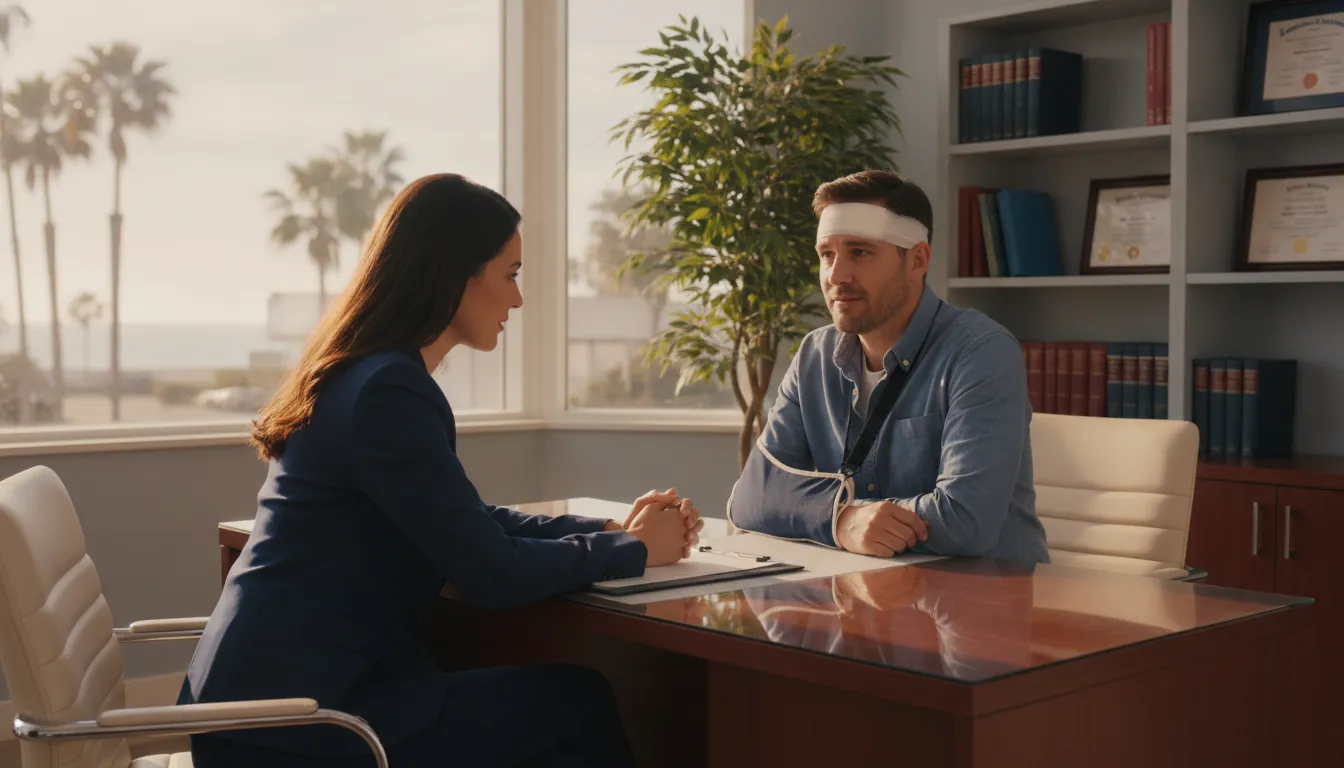
After an accident, legal bills should not stop you from learning your rights. A no win no fee personal injury lawyer california residents can consult may handle a claim on a contingency fee, meaning the attorney fee depends on recovering compensation. James McKiernan Lawyers can review the facts, explain the written fee agreement, and help you decide what to do next without promising a particular result.
Schedule a free consultation with James McKiernan Lawyers.
Quick answer: In a California personal injury contingency agreement, a lawyer generally receives an agreed percentage of a settlement or court award rather than charging an upfront attorney fee. If there is no recovery, the lawyer generally receives no attorney fee. Case costs, such as filing fees, medical-record charges, and expert fees, are separate. The written agreement should explain who pays those costs and when.
No Win No Fee Personal Injury Lawyer California: How does a no win no fee personal injury lawyer work in California?
“No win no fee” is a common description of a contingency fee arrangement. Instead of billing the client for each hour of legal work, the lawyer agrees to accept a percentage of any recovery. This arrangement can give an injured person access to legal representation while medical expenses and missed work are already creating financial pressure.
The phrase does not mean that every expense disappears or that success is assured. Attorney fees and case costs are different. It also does not mean every claim will qualify. Before accepting a matter, a lawyer usually evaluates fault, injuries, available evidence, insurance coverage, possible defendants, legal deadlines, and whether a practical source of recovery exists.
California requires a written contingency fee agreement
California Business and Professions Code Section 6147 generally requires a contingency fee contract to be in writing. The agreement must address the contingency rate and explain how expenses affect the client’s recovery. It must also state that the fee is negotiable and is not set by law, except where a law controls fees for a particular type of matter. Read the agreement and ask questions before signing it.
The State Bar of California’s guidance on fees and billing recommends understanding how fees and costs will be handled. A client should receive a copy of the signed agreement and keep it with other claim records.
Attorney fees versus case costs
The attorney fee pays for the legal team’s work. Case costs are amounts spent to investigate and pursue the claim. Depending on the case, costs may include filing fees, deposition expenses, medical records, crash reports, investigators, expert witnesses, and trial exhibits. A firm may advance these costs, but the contract determines whether the client must repay them and whether repayment is required if there is no recovery.
| Item | What it covers | What to confirm |
|---|---|---|
| Attorney fee | Legal services under the contingency agreement | The percentage and whether it changes at set stages |
| Case costs | Expenses needed to investigate or litigate the claim | Who advances them and when they are repaid |
| Medical liens or bills | Amounts that may be payable from a recovery | How the firm identifies and resolves them |

Ask whether costs are deducted before or after the attorney fee is calculated. That detail can change the client’s net recovery. Also ask what happens if the case does not result in compensation. Clear answers should appear in the written agreement, not only in a conversation.
Which personal injury matters may use contingency fees?
Contingency fees are common in claims involving harm allegedly caused by another person or organization. Examples include car, truck, motorcycle, bicycle, and pedestrian collisions; unsafe-property incidents; dog bites; and some other negligence claims. The arrangement offered depends on the case and the firm.
For a road collision, a lawyer may examine police reports, photographs, witness accounts, vehicle damage, medical records, and insurance policies. This California car accident claim guide provides a useful overview of early steps. In an unsafe-property claim, the investigation may focus on the hazard, how long it existed. Whether the owner knew or should have known about it, and whether warnings were provided.
What a lawyer considers before accepting a claim
A lawyer cannot responsibly decide based only on the fact that an accident occurred. The initial evaluation often asks:
- Did another party owe and breach a legal duty?
- Did that conduct cause a documented injury?
- What medical expenses, lost income, and other damages can be supported?
- Could comparative fault reduce the potential recovery?
- Is there insurance or another realistic source of payment?
- How much time remains before any filing deadline?
California follows a comparative negligence system. If an injured person shares responsibility, that may reduce rather than automatically eliminate a recovery. Because facts and evidence matter, a consultation is the appropriate place to evaluate a specific situation.
What happens after you hire a contingency fee lawyer?
After the lawyer and client sign the agreement, the legal team can begin preserving evidence and communicating with insurers. The exact process varies, but most claims move through investigation, treatment documentation, evaluation, negotiation, and, when appropriate, litigation.
- Investigation: The firm collects reports, photographs, witness information, medical records, and other evidence concerning fault and harm.
- Insurance communication: Counsel notifies insurers and handles requests or negotiations while advising the client about important decisions.
- Medical documentation: Records help connect the accident to the injuries and show treatment, limitations, and expenses.
- Claim evaluation: The lawyer reviews economic losses and available evidence supporting non-economic harm.
- Negotiation or litigation: The firm may make a demand, negotiate, or file a lawsuit if appropriate and authorized by the client.
- Resolution and accounting: If compensation is recovered, the firm provides an accounting showing fees, costs, payments, and the client’s net amount.
Settlement timing depends on liability disputes, medical treatment, insurance limits, the number of parties, and whether litigation is needed. Learn more about how long personal injury settlements may take. No ethical lawyer should promise an exact timeline or outcome before investigating the claim.
Ask James McKiernan Lawyers to review your claim and explain the fee terms.
How is a California injury claim valued?
There is no universal settlement amount. A claim’s value depends on the provable harm, the available insurance or assets, disputed facts, and the strength of the evidence. Relevant losses may include reasonable medical expenses, lost income, reduced earning capacity, property damage, and pain or other non-economic harm where allowed.
Serious injuries may require evidence about future care or long-term work limitations. That may involve treating providers or qualified experts. Insurers may dispute whether treatment was necessary, whether an injury came from the accident, or whether the injured person contributed to the event. A lawyer can identify the evidence needed to address those arguments. This guide explains more about factors that affect an accident case’s value.
Be careful with early insurance requests
An insurance adjuster may request a recorded statement, broad medical authorization, or quick release. Before agreeing, understand the scope and consequences. A release can end the right to pursue additional compensation, even if later treatment reveals more serious harm. Keep communications accurate, avoid guessing, and consider obtaining advice before signing documents.
Why do California injury deadlines matter?
Waiting can harm an otherwise viable claim. Evidence may disappear, surveillance footage may be overwritten, vehicles may be repaired, and witnesses’ memories may fade. California also imposes legal filing deadlines. A missed deadline can prevent a court claim regardless of its merits.
Many California personal injury lawsuits are subject to a two-year limitations period, but important exceptions and shorter deadlines exist. Claims involving a public entity often require an administrative claim within six months before a lawsuit can proceed. Claims involving minors, delayed discovery, medical negligence, or other circumstances may follow different rules. Do not assume a general deadline applies to your facts. Learn when to hire a personal injury lawyer and ask promptly about every possible deadline.
Steps that can protect evidence
- Get appropriate medical attention and follow treatment instructions.
- Save photographs, videos, damaged property, receipts, and correspondence.
- Record witness names and contact information.
- Keep a file of medical bills and time missed from work.
- Avoid posting detailed accident or injury claims on social media.
- Ask a lawyer whether preservation letters or immediate investigation are needed.
What can you do while the claim is pending?
Your health comes first. Attend appropriate appointments, follow reasonable medical instructions, and tell providers accurately how the injury affects daily activities. Gaps in treatment may have legitimate explanations, such as transportation problems or difficulty obtaining an appointment. Keep your lawyer informed so the record accurately reflects what happened rather than leaving insurers to speculate.
Maintain an organized claim file. Save receipts for prescriptions, medical equipment, travel to appointments, and accident-related services. Keep pay records and employer communications that show missed work. A short journal may help document symptoms, limitations, and activities you could not perform, but write honestly and avoid exaggeration. These materials can help counsel evaluate damages, respond to insurer questions, and explain the claim.
Stay involved in important decisions
Hiring a lawyer does not remove the client from the process. Provide requested information promptly, update the firm when contact details or medical care changes, and ask for explanations when something is unclear. The lawyer can recommend whether to accept an offer, continue negotiating, or litigate, but the client decides whether to settle. Before accepting an offer, request a clear estimate of fees, costs, liens, and the expected net amount.
Also be cautious about public statements. Insurers may review public social media posts and compare them with allegations about injuries or limitations. Privacy settings do not guarantee that content will remain unavailable. Do not delete relevant material after a dispute arises, because doing so may create legal problems. Instead, discuss questions about records and online activity with counsel.
How should you compare no win no fee lawyers?
The lowest advertised percentage is not the only consideration. Look for a lawyer who explains the agreement, communicates clearly, understands the relevant claim type, and has the resources to investigate it. During consultations, compare who will handle the matter, how updates are provided, and how decisions about settlement or litigation are made.
Ask direct questions: What percentage applies? Can it change if a lawsuit or trial becomes necessary? Which costs might be advanced? Who owes costs if there is no recovery? Are costs deducted before or after the fee calculation? Who will be the main contact? You can also review this guide to evaluating lawyer reviews, while remembering that past results and reviews do not guarantee a future outcome.
What to bring to a free consultation
Bring what you have, even if the file is incomplete. Helpful items include the accident report, photographs, witness contacts, insurance information, medical records or discharge papers, bills, wage-loss information, insurer correspondence, and a simple timeline. Tell the lawyer about earlier injuries, all potentially responsible parties, and any approaching deadlines. Accurate information helps the lawyer assess the claim and possible conflicts.
Frequently Asked Questions
What does no win no fee mean in a California injury case?
It usually means the attorney fee is contingent on obtaining compensation through a settlement or court award. If there is no recovery, the attorney generally receives no fee for legal services. Case costs are separate, and the written agreement should state who is responsible for them.
Do I pay anything upfront to hire a contingency fee lawyer?
A contingency fee lawyer generally does not require an upfront attorney fee. However, firms handle litigation and investigation costs differently. Before signing, ask whether the firm advances costs, when costs are repaid, and whether the client could owe costs if the claim does not recover compensation.
How much is a California personal injury contingency fee?
There is no single required percentage for every California personal injury claim. The rate is negotiable and should be stated in the written contract. Ask whether the percentage changes at specific stages and whether costs are deducted before or after the fee is calculated.
How long do I have to file a California personal injury claim?
Many California personal injury lawsuits have a two-year filing period, but shorter deadlines and exceptions can apply. A claim involving a public entity may require an administrative claim within six months. A lawyer should review the facts promptly to identify the correct deadlines.
Talk with James McKiernan Lawyers about your options
A consultation with James McKiernan Lawyers can clarify whether a claim may be viable, which deadlines apply, and how a proposed contingency agreement handles fees and costs. It can also help you understand the next practical steps without requiring you to accept representation. The sooner evidence and deadlines are reviewed, the more informed your decisions can be.
Schedule your free consultation with James McKiernan Lawyers today.
This article provides general information and is not legal advice. Reading it does not create an attorney-client relationship. Results depend on the facts and law applicable to each matter.