How to Understand Santa Barbara Catastrophic Accident Lawyer in a California Injury Claim
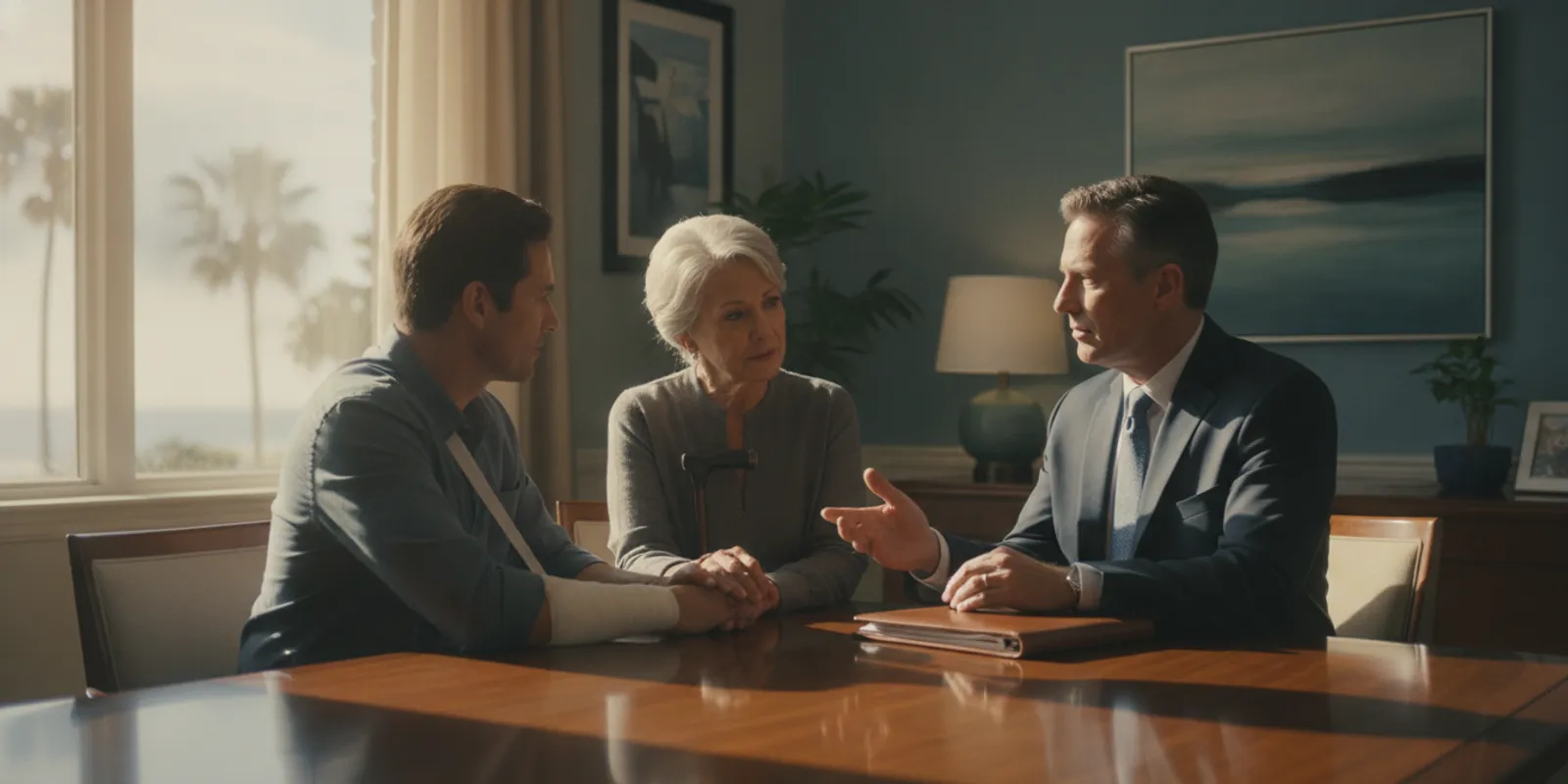
A catastrophic injury can change a family’s daily life, finances, and plans for the future. If you are searching for a santa barbara catastrophic accident lawyer, you may be trying to understand who could be responsible, what evidence matters, and how an injury claim works. The answer depends on the cause of the accident, the available proof, and the injured person’s needs. This guide explains the main questions to consider in a California claim.
Request a conversation about your injury claim
What does a Santa Barbara catastrophic accident lawyer evaluate?
“Catastrophic” is commonly used to describe an injury with severe, lasting effects. It is not a single label that determines whether a person has a legal claim. A claim instead turns on facts such as how the accident happened, whether another party may be legally responsible, what harm followed, and whether the evidence can support those points.
Severe injuries may involve a long recovery, lasting limits on movement or independence, significant cognitive effects, or a need for ongoing assistance. The term alone does not establish fault or guarantee compensation. An attorney evaluating a potential claim will usually need to understand both the incident and its consequences over time.
For a family in Santa Barbara, the first step is often identifying the right claim type. A collision may involve a driver, vehicle owner, employer, or another party. An unsafe property may raise different questions about the condition of the site and notice of a hazard. The firm’s personal injury practice page describes the general area of representation, while its auto accident information is relevant when a vehicle crash caused the injury.
How does a California catastrophic accident claim take shape?
A claim is built by connecting several pieces of information: the event, the responsible party or parties, the injuries, and the losses. These questions are related, but they are not interchangeable. Serious harm does not by itself prove that another person or company caused it. Likewise, disputed fault does not tell the whole story about the injured person’s needs.
- Identify the event and possible responsible parties. Establish where, when, and how the accident occurred. A driver, property owner, product maker, or another party may need to be investigated, depending on the facts.
- Preserve available evidence. Records, photographs, witness information, and physical evidence can help explain what happened. Some evidence may be temporary, such as video recordings or the condition of a location.
- Document the injury and its effects. Medical records and care plans can help show what treatment occurred and what needs may continue. Information about daily activities and work impacts may also matter.
- Assess insurance and other recovery sources. Policies, coverage limits, exclusions, and competing claims can affect the available path. Coverage should be verified rather than assumed.
- Evaluate legal deadlines and next steps. Deadlines can vary with the parties and circumstances. A lawyer can review which rules may apply and whether prompt action is needed.
California courts provide information for people navigating civil legal matters through the California Courts website. Court resources can help readers orient themselves, but general information does not decide how a particular injury claim applies to a person’s facts.
Which evidence may help explain a catastrophic accident?
The best evidence depends on the accident. A careful record can help preserve details before memories fade or conditions change. Do not put yourself at risk to collect anything, and do not enter a restricted area or interfere with an investigation.
- Incident details: Write down the date, approximate time, location, weather, lighting, and what you remember. Separate what you personally observed from what someone else told you.
- Photographs or video: If safe and permitted, photograph the scene, visible hazards, vehicle positions, damage, and relevant surroundings. Keep original files when possible and note who took them.
- Witness information: Record names and contact details for people who saw the event or its immediate aftermath. Avoid coaching witnesses or asking them to adopt a particular version.
- Official records: Keep copies of available incident reports, correspondence, and claim information. A report may contain useful details, but it is not necessarily a final determination of fault.
- Care and expense records: Save bills, receipts, appointment information, and communications about treatment or support. Keep a simple timeline of how the injury affects ordinary tasks.
- Work and household impact: Note missed work, changed duties, and tasks that now require help. Preserve relevant employer or scheduling records if available.
Do not alter, discard, or post important evidence casually. Be cautious about discussing the incident or the injured person’s condition on social media. If an insurer requests a statement or broad access to records, consider asking a lawyer what the request means before agreeing. Each situation is different, and you should not delay necessary medical care to gather documents.
After a vehicle crash, keep the repair estimate and photographs of the vehicle if they are available. Damage may help explain the event, but it does not by itself establish how the collision happened or the full extent of an injury. In a premises incident, write down the precise location and describe the condition while it is still fresh in memory. If a family member or friend saw the scene, ask them to make their own notes rather than composing a shared account.
Organize documents by date and keep a simple log of calls, letters, and claim numbers. Save emails and envelopes, and note the name and role of anyone who contacts you. If you later learn that a recording or physical item may be relevant, tell your lawyer promptly. Do not contact another party in a way that could create a safety risk or interfere with an official investigation. A lawyer can advise what preservation steps are appropriate for the facts.
How can a family build a useful record over time?
A single folder can become hard to manage when treatment, insurance communication, and household changes overlap. A simple system helps keep information findable without turning the injured person’s recovery into a paperwork project. One family member can keep the files, if the injured person agrees and that arrangement is practical.
- Create a dated timeline. Start with the accident, then add appointments, major treatment changes, insurer contacts, work interruptions, and new support needs. Write a brief factual note after an important event while details remain clear.
- Separate document types. Use folders for medical and care records, expenses, income or work information, accident evidence, and legal or insurance correspondence. Keep originals safe and use copies when sharing records.
- Record the source. Note who provided a document, when it arrived, and what it relates to. For photographs, retain the original file and add the date, place, photographer, and a neutral description where known.
- Track questions, not assumptions. Maintain a list of unanswered items, such as whether a video exists or which insurer is handling a particular claim. Mark estimates as estimates and do not fill gaps with guesses.
For example, a family might record that the injured person needed help with transportation after a particular appointment. That entry is more useful when it states the date, the task, and who provided the help. It should not exaggerate or claim that the need will continue forever. Later information can clarify whether the limitation changed, improved, or required a different form of support.
Respect privacy when gathering records. Share sensitive medical or financial documents only with people who need them for a clear purpose. Keep a copy of anything sent and make a note of the recipient and date. If a document request seems broad, confusing, or unrelated, ask what it covers before signing an authorization or sending a large file.
How are responsibility and fault considered in California?
Fault depends on evidence and the legal duties that apply to the situation. In a traffic collision, relevant facts may include the drivers’ actions, road conditions, traffic controls, vehicle damage, and witness accounts. In a property incident, the condition of the location, how it was used, and what the responsible party knew or reasonably should have known may be important.
More than one person or entity may contribute to an accident. The investigation may need to consider each party’s conduct and the causal connection to the injury. A person’s own actions may also be raised as part of a dispute. California generally follows comparative-fault principles, but how those principles affect a specific case depends on the evidence and applicable law. Avoid assuming that a fault allegation automatically ends a claim or that every party shares responsibility.
Evidence can be incomplete or conflicting. A police or incident report, for example, may record observations and statements without resolving every legal issue. An insurer’s early position is likewise not the same as a court decision. A thorough review compares sources, looks for missing information, and tests whether the account is consistent with the physical evidence.
What losses may be considered after a catastrophic injury?
The losses in a serious injury claim are specific to the person and the evidence. They can include financial expenses and effects that are not captured by a bill. A claim should not assume a future need or amount before it is supported and reasonably understood.
- Medical-related expenses: Past treatment costs and other documented care expenses may be relevant. Future care needs may require careful evaluation rather than a quick estimate.
- Income impacts: Time away from work, reduced ability to perform prior duties, or changes in future earning capacity may be considered when supported by records and circumstances.
- Daily-life effects: Pain, limitations, and changes to independence or usual activities may be part of evaluating harm. The details and duration matter.
- Practical support: A person may need help with transportation, personal tasks, or household responsibilities. Records of these needs can help describe the injury’s real-life consequences.
These categories are not a checklist that guarantees payment. The law, proof, available coverage, and the injured person’s situation all matter. A lawyer can help identify what information is needed to assess possible losses and whether additional records or expert input may be appropriate.
What practical issues can affect the claim?
Catastrophic injury claims may take time because some consequences are not immediately clear. Early attention can still help preserve evidence and avoid preventable gaps. These are useful discussion points, not a substitute for advice about a particular case.
| Issue | What to gather or clarify | Why it matters |
|---|---|---|
| Accident facts | Timeline, scene details, available photos, witness contacts, and reports | Helps compare accounts and identify evidence that may need preservation |
| Injury and care | Treatment records, care instructions, appointments, and known support needs | Helps describe the injury and how its effects develop over time |
| Financial effects | Bills, receipts, work records, and notes about assistance needed | Provides a basis to evaluate documented expenses and economic impacts |
| Insurance | Claim numbers, policy information if available, and insurer communications | Clarifies which coverage may be relevant and what issues remain open |
| Deadlines | Accident date, involved parties, and any notices or court papers received | Time limits vary, so a prompt review can help prevent missed procedural steps |
Do not sign a release or accept a final settlement without understanding what it resolves. Some agreements may close claims for future losses, while the full impact of a severe injury may not yet be clear. Ask what claims and parties the document covers, whether it ends the claim, and how any payment would be handled. An attorney can explain the terms and possible tradeoffs before you decide.
It can be difficult to value a claim early when treatment is continuing or the person’s long-term needs remain uncertain. That does not mean every claim should wait indefinitely. It means the decision should account for available medical information, known financial losses, the possibility of future needs, and any applicable time limits. A lawyer can help identify what remains uncertain and what evidence may help answer it.
Keep copies of all settlement proposals and related correspondence. Note any response date, but do not assume that a deadline in an insurer’s letter is the same as a legal filing deadline. If the injured person cannot review documents or make decisions, ask an attorney who has authority to act and what documentation may be required. These details can depend on the person’s circumstances and the specific paperwork.
How should families compare possible sources of insurance coverage?
Insurance is one part of the investigation, not a substitute for establishing what happened. Depending on the incident, a policy connected to a driver, vehicle owner, property, business, or another party may be relevant. Which policies apply cannot be determined from the injury alone. The facts, policy terms, exclusions, and identities of the parties all require review.
When collecting information, start with what is readily available. Keep each claim number and the name of the insurer or adjuster. Ask which party or property the policy relates to, whether the claim is open, and what documents are being requested. Do not assume that one insurer’s involvement means all possible coverage has been identified.
It can help to distinguish between questions about coverage and questions about liability. An insurer may be investigating whether its policy applies, while another part of the process examines responsibility for the accident. A coverage dispute does not automatically resolve who caused the injury. Similarly, identifying a potentially responsible party does not establish what insurance, if any, will respond.
Keep a communication log with the date, the person’s role, the topic discussed, and any promised follow-up. If a call raises a question you cannot answer, it is reasonable to say that you need to check records rather than guess. Before signing a medical release, settlement document, or other authorization, read its scope and ask what information or claims it covers. A lawyer can review confusing requests and explain possible consequences.
Families may also want to ask how an insurer expects to receive bills and records, whether copies are sufficient, and where materials should be sent. These are practical questions, not admissions about fault or agreement with a particular valuation. Save proof of delivery when possible. If multiple parties or policies may be involved, keep the records separate so that a document sent for one claim is not mistakenly treated as a complete response to another.
When should a Santa Barbara catastrophic accident lawyer be contacted?
Consider speaking with a lawyer when the injury is severe, responsibility is disputed, several parties may be involved, or an insurer is asking for a recorded statement or release. A consultation may also help when future care, income effects, or the full scope of the loss is difficult to evaluate.
Timing can matter because evidence may disappear and legal deadlines apply. Do not wait for a final diagnosis or a complete file before asking what steps may be appropriate. At the same time, the mere fact that an accident happened does not mean a lawsuit is necessary or that a claim will succeed. An initial review can clarify questions and options without promising a particular outcome.
For Santa Barbara residents, the firm’s Santa Barbara location information and broader office directory provide local contact context. Learn more about the firm through its About Us page. Information on a website cannot determine whether the firm can take a specific matter, so ask directly about your circumstances.
Contact the firm to discuss what happened
What should you prepare for an initial conversation?
You do not need a perfectly organized file. A short, accurate account can help a lawyer understand the basic issue and identify useful follow-up questions. Gather what you can without delaying care or putting yourself under unnecessary pressure.
- The date and location of the accident, and a short description of what happened.
- The names of the people or businesses involved, if known, and any witnesses.
- The type of injury and care received so far, without trying to predict the final outcome.
- Any report, insurance letter, claim number, or legal paper you have received.
- Questions about deadlines, evidence, insurance contact, and what the next step could be.
Be candid about facts that may be unfavorable as well as those that support your account. A lawyer needs an accurate picture to evaluate possible issues. Do not guess when you do not know; mark uncertain dates or details as estimates.
It may also help to explain what is most urgent for the family. One person may need to know whether a response is due soon. Another may be trying to understand what records to keep or how to respond to repeated calls. Bring those questions in writing if it is difficult to remember them during a conversation. A clear question list can keep an initial discussion focused on practical next steps.
Frequently asked questions
Does a catastrophic injury automatically mean there is a legal claim?
No. The seriousness of an injury does not establish that another party is legally responsible. A potential claim generally requires facts and evidence supporting responsibility, a connection to the injury, and legally recognized harm. A lawyer can review those issues.
How long do I have to bring a California injury claim?
There is no safe one-size-fits-all answer. Deadlines can depend on the parties, the type of claim, and other circumstances. Some matters can have shorter notice requirements. Ask a California attorney to evaluate timing promptly rather than relying on a general estimate.
Should I talk with the insurance company?
You may need to provide basic claim information, but a request for a recorded statement, broad medical authorization, or release can have important consequences. Ask what the request covers and consider legal advice before agreeing. Keep copies of communications and avoid speculating about fault or future recovery.
What if more than one party may have caused the accident?
That possibility makes careful investigation important. The facts may involve separate actions, responsibilities, or insurance policies. Do not decide on your own that one party is the only possible source of recovery. A lawyer can identify parties to investigate based on the available evidence.
Ready to discuss a California injury claim?
A serious accident can leave families with urgent practical questions and uncertainty about the future. Keep useful records, focus on necessary care, and seek advice promptly when fault, insurance, or deadlines are unclear.
Ask about a consultation for your injury claim
This article provides general information, not legal advice or a promise about the outcome of any case. A lawyer must review the specific facts to advise you about your options.