Pedestrian Accident Compensation Guide for Californians
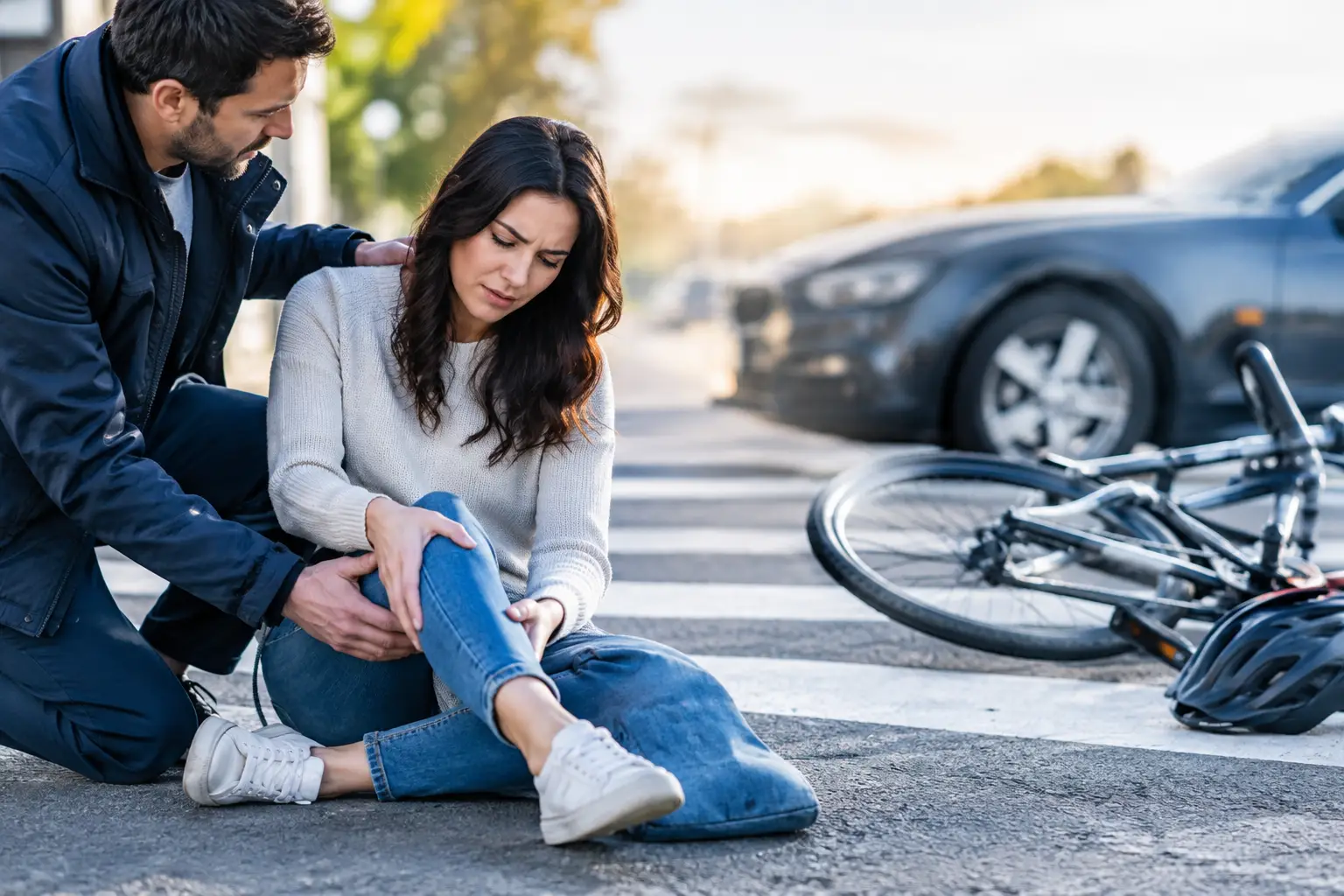
A pedestrian accident can change your life in the seconds it takes a driver to miss a crosswalk, turn without looking, or speed through an intersection. This pedestrian accident compensation guide explains the practical steps California pedestrians and families can take to protect a claim while medical treatment, missed work, and insurance calls begin to pile up.
The driver’s insurance company may sound concerned, but it is not there to protect your financial recovery. Its goal is often to resolve the claim for as little as possible, before the full cost of your injuries is clear. Getting prompt medical care, preserving evidence, and speaking with an experienced injury attorney can put you in a stronger position from the start.
Start Protecting Your Claim After a Pedestrian Crash
Your health comes first. Accept emergency care at the scene if it is offered, and follow up with a doctor even if you think the pain will pass. Pedestrian injuries can involve concussions, internal trauma, fractures, spinal damage, and soft-tissue injuries that become more apparent in the days after the collision.
Medical records do more than document treatment. They connect your injuries to the crash, establish the care you need, and show how the incident has affected your daily life. Do not minimize symptoms to a doctor, adjuster, or anyone else. Be accurate and specific about pain, mobility problems, sleep disruption, headaches, anxiety, and activities you can no longer perform normally.
If you are able, or if a family member can help, preserve evidence quickly. Photos of the intersection, crosswalk markings, traffic signals, damaged clothing, visible injuries, and the vehicle can become valuable later. Nearby security cameras, doorbell cameras, and business surveillance footage may be erased within days or weeks.
Keep a simple file containing the police report information, medical bills, discharge paperwork, prescription receipts, missed-work records, and correspondence from insurers. A brief daily journal can also help show the human impact of an injury. Write down pain levels, appointments, limitations, and events you had to miss.
Who May Be Responsible for the Collision?
Many pedestrian crashes are caused by drivers who were speeding, distracted, impaired, tailgating, or failing to yield the right of way. A driver making a left turn, backing from a driveway, or passing through a parking lot still has a duty to watch for people walking nearby.
Liability is not always limited to one driver. A crash investigation may reveal that another motorist created the dangerous situation, a rideshare driver was involved, or a vehicle owner bears responsibility. In some cases, a dangerous roadway design, obstructed sightline, or malfunctioning signal may need to be examined as well.
California follows a comparative negligence rule. That means an injured pedestrian may still recover compensation even if an insurer claims the pedestrian shares some fault. For example, an insurer might argue that someone crossed outside a marked crosswalk or wore dark clothing at night. Those facts can matter, but they do not automatically excuse a driver who was speeding, distracted, or failed to keep a proper lookout.
Do not accept an insurance company’s version of fault without a careful review of the evidence. Police reports are useful, but they are not always the final word. Video, witness statements, vehicle damage, phone records, and accident reconstruction can tell a more complete story.
What Compensation Can Cover
A fair pedestrian injury claim should account for more than the first emergency room bill. The value depends on the severity of the injury, the available insurance coverage, the evidence of fault, and how the crash changes the person’s ability to work and live independently.
Compensation may include medical expenses already incurred and reasonably expected future treatment. This can include hospital care, surgery, therapy, medication, assistive devices, rehabilitation, and transportation to appointments. When an injury causes lasting limitations, future medical needs must be evaluated carefully before a settlement is considered.
You may also seek lost income for time away from work and reduced earning ability if the injury prevents you from returning to the same job or working at the same capacity. For a parent, student, retiree, or other person without traditional wages, the impact on daily responsibilities still matters.
California law also allows recovery for pain, physical suffering, emotional distress, loss of enjoyment of life, and the disruption caused by a serious injury. These losses do not come with a receipt, but they are real. A broken leg, traumatic brain injury, or spinal injury can affect relationships, independence, confidence, and the routines that made life feel normal.
When a pedestrian dies because of another person’s negligence, surviving family members may have a wrongful death claim. These cases require both compassionate guidance and a serious investigation into the full losses the family has suffered.
Avoid These Insurance Claim Mistakes
After a crash, the adjuster may ask for a recorded statement, request broad access to medical records, or offer a quick payment. You are not required to give a recorded statement to the other driver’s insurer before you understand your rights. A casual comment such as “I’m okay” or “I didn’t see the car” can later be used to dispute the claim.
It is also wise to avoid posting about the crash or your activities on social media while a claim is pending. Insurers may search public posts for material they can use out of context. A photograph from a good day does not show the pain that followed, but it may still be used to challenge your injuries.
Most importantly, do not rush into a settlement because bills are arriving. Once you sign a release, you generally cannot go back for additional compensation if your condition worsens. This is especially risky before doctors can provide a clear prognosis.
Deadlines Matter in California
In many California personal injury cases, the deadline to file a lawsuit is generally two years from the date of the injury. However, the timeline can be shorter when a public entity may be responsible, such as a city, county, or transit agency. Claims involving public entities often require formal action within six months.
Different rules may apply when the injured person is a minor or when other unusual circumstances are involved. Waiting can also make a case harder to prove, even before a filing deadline arrives. Witness memories fade, video disappears, and physical evidence is lost.
A timely legal review helps identify every possible source of recovery, including the at-fault driver’s policy and any other coverage that may apply. It also allows an attorney to send preservation requests and begin building the case before crucial evidence is gone.
How a Pedestrian Accident Lawyer Can Help
A serious injury claim should not become another full-time job while you are trying to heal. An attorney can investigate the collision, obtain available video and records, communicate with insurers, calculate losses, and prepare the case for settlement negotiations or trial.
At James McKiernan Lawyers, injured Californians can receive a free consultation 24/7, with no attorney fee unless compensation is recovered. For more than 50 years, the firm has represented injury victims throughout the Central Coast and California, handling more than 35,000 cases and recovering more than $350 million for clients.
Every pedestrian accident is different. Some claims can be resolved efficiently once treatment is complete and the evidence is clear. Others demand a deeper investigation and firm litigation when an insurer refuses to take the injury seriously. The right approach depends on the facts, but early action gives you more options.
If a driver’s carelessness put you or someone you love in the hospital, you do not have to face the insurance company alone. Get medical care, protect the evidence, and ask for legal guidance before accepting an offer that may fall far short of what the crash has truly cost you.