Motorcycle Accidents California: What to Do After a Crash
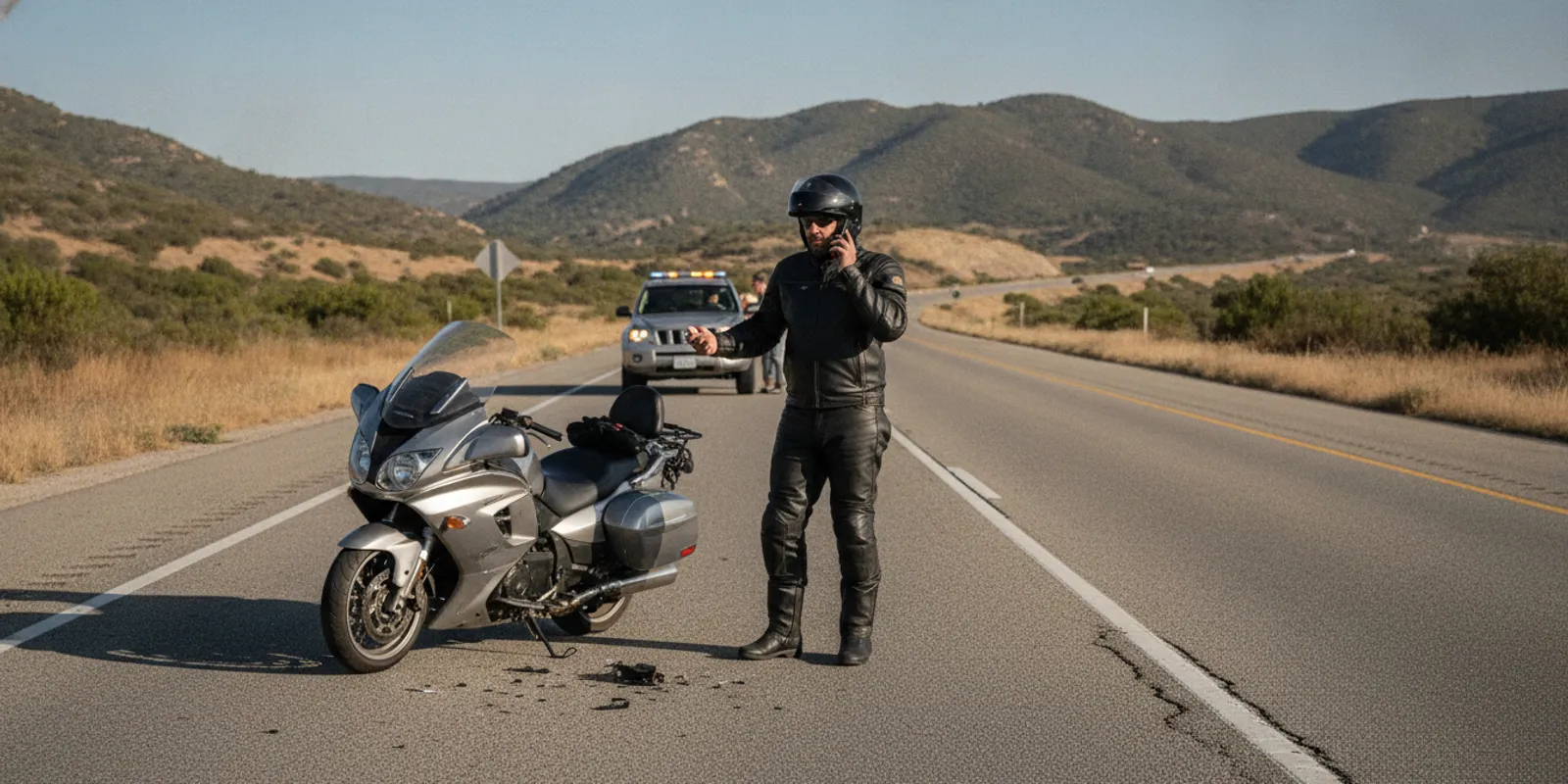
After motorcycle accidents in California, an injured rider may face urgent medical decisions, questions about evidence, and calls from insurers. A calm, organized approach can help protect your health and preserve useful information while you consider your options. This guide covers motorcycle accidents California riders may face, with practical steps to protect health and preserve information.
Contact the firm to discuss your situation
What should you do after motorcycle accidents California riders experience?
Start with safety and medical care. If anyone may be injured, call 911. Move away from traffic only if it is safe. If you suspect a head, neck, or back injury, do not remove protective gear. Wait for emergency responders and follow their instructions.
Once immediate danger has passed, take the following steps when you can do so safely. You do not need to complete every task at the scene. Your health and safety come first.
- Get medical attention. Seek an evaluation promptly, even if symptoms seem manageable. Tell the clinician about the collision and each symptom you notice. Follow care instructions, ask questions about restrictions, and keep discharge papers and appointment details.
- Report the collision. Cooperate with responding officers and ask how to obtain the report. Give accurate facts. If you do not know a speed, distance, or sequence, say so rather than guessing.
- Exchange information. Record the other driver’s name and contact information, vehicle details, and insurance information. Ask witnesses for their names and a way to reach them. Do not argue about fault at the roadside.
- Document what you can. If it is safe, photograph the road, vehicle positions, motorcycle damage, traffic signs, visibility, debris, and any visible injuries. Save original files and note when and where you took them.
- Keep damaged property. Preserve your helmet, clothing, motorcycle, and damaged accessories. Avoid discarding or altering items before documenting them.
- Make a short timeline. As soon as practical, write down what you remember, including the route, direction of travel, weather, traffic, and events before and after impact.
Use the firm’s personal injury information and auto accident resource for broader context. An online guide cannot decide what happened in a particular collision or replace medical or legal advice.
How can you preserve evidence after motorcycle accidents California riders experience?
Evidence can help clarify how a crash occurred, who was involved, and how it affected you. Road conditions change. Vehicles get moved or repaired. Witnesses may become difficult to locate, and some video systems overwrite recordings. Preserve what is available without taking risks or interfering with an investigation.
Build a clear scene record
If you are able and it is safe, take photographs from several distances. Start with wide views that show the roadway and nearby intersections. Then photograph details such as vehicle damage, debris, skid marks, lane markings, traffic controls, and sight obstructions. Take more than one view of an important detail so its location is understandable.
Record the date, approximate time, and location in your notes. Include the direction each vehicle was traveling and where each one stopped, if you remember. Make a simple sketch if it helps you explain positions. Mark uncertain details as uncertain; do not fill gaps by guessing.
A useful note separates observation from inference. For example, write “I saw the car enter the intersection from my left” if that is what you recall. If you do not know the signal color, say that clearly instead of assuming it was red or green. Note whether a detail comes from your own memory, a photograph, a witness, or a later conversation. This small habit can keep a timeline accurate as you gather more information.
Organize digital files with descriptive names, such as the date and a short subject, and keep an untouched original. Make a backup in a separate secure place. For important paper documents, scan or photograph them and keep the originals together. A simple index listing the date, source, and subject of each file can save time when you need to locate a report, bill, or photo later.
Photographs can be useful, but context matters. A close-up of a damaged part may not show where it was found. A wide image may not capture a small road hazard. Keep both kinds, preserve the original files, and back them up to a secure location. Avoid editing or adding annotations to the only copy.
Identify evidence that may disappear
Note nearby businesses, homes, traffic cameras, or other places that may have recorded the collision. Write down the location and the approximate time period that might matter. You may not be able to obtain footage yourself, and recording systems have different retention practices. Do not assume a recording will remain available.
Save the names and contact details of witnesses. If someone agrees to provide a short account, record their words accurately and ask permission before recording audio or video. Do not coach a witness, suggest what they should say, or pressure them to take a side. A neutral recollection is more useful than a statement shaped to match someone else’s theory.
Preserve the motorcycle and riding gear
Photograph the motorcycle before repairs, including the overall condition and specific areas of damage. Keep tow, storage, inspection, and repair records. Ask for an itemized estimate and save invoices. If a part must be replaced, ask whether the removed part can be retained and stored safely.
Do not throw away a damaged helmet, jacket, gloves, boots, or other equipment. Photograph each item and store it in a clean, secure place. Avoid cleaning, repairing, or giving away damaged gear until you understand whether it may need to be inspected. If an insurer or another party asks to inspect an item, ask what the inspection involves and consider advice before handing it over permanently.
Keep copies of every request and response about inspection or repair. If a motorcycle is needed for transportation, that practical need matters too. Document its condition first when possible, and ask about reasonable inspection arrangements before work begins. The appropriate steps depend on safety, storage, insurance, and the facts of the crash.
For example, suppose a tow yard moves the motorcycle before you can photograph it. Note where it was taken, when you learned of the move, and who provided that information. Ask for the storage and towing documents. If a repair shop later finds damage that was not obvious at the scene, ask the shop to describe it in its estimate and keep relevant photographs. Do not ask anyone to speculate about how the damage occurred. The goal is to preserve a reliable record, not to create a conclusion before the facts are known.
You can use a simple evidence log with four columns: item, date obtained, source, and current location. A line might say “helmet photos, Nov. 4, personal phone, backed up to secure drive.” Record who has physical items and whether anyone inspected or moved them. This basic inventory can reduce confusion if an insurer, repair professional, or lawyer later asks what has been preserved. It is also a practical way to notice missing documents without treating every missing item as a crisis.
What records should you keep during medical care and recovery?
Medical records can document the evaluation and care you received. Your own notes can also help you remember changes between appointments. Tell your providers about symptoms and limitations accurately. Do not minimize a problem to appear resilient, and do not exaggerate. Clear details help your care team make decisions.
Keep one paper or digital folder with the following items:
- Emergency department, clinic, specialist, and therapy records, plus instructions and referrals.
- Appointment dates, medication information, bills, and explanations of benefits.
- A simple symptom and activity log, including when a problem began, what makes it worse, and how it affects ordinary tasks.
- Work schedules, wage information, and records showing time missed or duties changed.
- Receipts for towing, transportation, damaged equipment, and other expenses related to the collision.
- Insurance letters, claim numbers, forms, and notes from calls.
A useful symptom log is specific and factual. Instead of writing only “bad day,” note the activity that was difficult, the symptom you experienced, and how long it lasted. Record changes over time, including improvement. Bring relevant questions to your clinician and follow professional guidance rather than using a log to self-diagnose.
If you miss an appointment or cannot follow a treatment plan, note the reason and ask the provider what to do next. A gap in care can have many explanations, including scheduling, transportation, cost, or changes in symptoms. Keep records that help explain what occurred. Do not assume that a gap automatically determines the outcome of a claim.
Read forms before signing them. A medical authorization may permit access to records, and the scope can matter. Ask who will receive the information, which records are requested, and why. If you are unsure what a form allows, consider getting legal advice before signing.
How do California fault rules affect a motorcycle injury claim?
California follows a comparative-fault approach. If an injured person shares responsibility for a collision, that share may reduce recoverable damages rather than automatically eliminating a claim. The facts matter, and responsibility may be disputed. A quick roadside impression or an insurer’s early position does not necessarily settle the issue.
Relevant details may include each person’s movements, speed, visibility, traffic signals, lane position, road conditions, and actions before impact. A collision report is one record to consider, but it is not necessarily a final decision about civil responsibility. Preserve objective information and avoid public speculation about what happened.
Motorcycle riders and other road users must follow applicable California traffic and equipment rules. The California Office of Traffic Safety provides statewide traffic-safety information and data through its California Traffic Safety Quick Stats. The page is a public safety resource; it does not decide fault in an individual case. A separate academic publication provides a systematic review of injuries sustained by motorcyclists in road accidents. Neither source can replace an assessment of the specific facts and applicable law.
Keep your account consistent and honest. If you remember a detail differently later, explain that rather than repeating an earlier estimate you no longer believe is accurate. Separate what you personally observed from what someone else told you. That distinction can help keep notes clear.
What should you do when an insurer contacts you?
Notify your own insurer as required by your policy and provide accurate basic information. Keep the claim number and a copy of any materials you submit. Write down the date of each call, the name of the person you spoke with, and a short summary of the discussion.
The other driver’s insurer may ask for a recorded statement, documents, or an authorization. You can ask the adjuster to explain the request and send it in writing. Do not guess about facts or agree to something you do not understand simply because you are on a call. Consider legal advice before giving a detailed recorded statement or signing a broad release.
Keep communication organized. Save emails and letters in the same folder as your other records. If you speak by phone, make a contemporaneous note. After a discussion about an important issue, a brief written confirmation can help you remember what was requested or promised. Keep your message factual and courteous.
Before returning a call, identify the caller and the claim involved. You can ask for a callback number and the request in writing if you need time to review it. Make a short list of facts you know, questions you need answered, and details you cannot yet confirm. This can help prevent an uncertain estimate from becoming an accidental statement of fact. If you are uncomfortable answering a question, say that you need time to understand it rather than speculating.
When an insurer requests a document, keep a copy of what you send and note the submission date and method. If a request seems broader than the collision-related issue, ask which records are needed and whether the request can be narrowed. Keep the request itself with your response. These steps do not require you to argue with an adjuster; they simply create a record of what was asked and provided.
Be careful with early settlement discussions. You may still be receiving care or learning about the effects of your injuries. A signed release can end claims covered by its terms. Before agreeing, understand what the payment covers, which claims are released, and whether any liens, bills, or future needs remain. The value and effect of an offer depend on evidence, coverage, injury, and law. No result is guaranteed.
California requires drivers to meet financial responsibility requirements, but available policies and limits vary. Ask which coverage is being considered and request an explanation of documents you do not understand. Keep your own policy information and correspondence available. Do not assume a policy has a particular limit or that every loss is covered.
What deadlines can apply after a California motorcycle collision?
Deadlines depend on the parties, claim type, and facts. A personal injury lawsuit generally has a limitations period. Claims involving a public entity may have a separate claim-presentation process and much shorter deadlines. Different rules can apply to minors, delayed discovery, or other circumstances. Do not use a general article to calculate your deadline.
Make a chronology while information is fresh. Include the collision date, dates of medical care, insurer communications, repair events, and any written deadlines you receive. Save envelopes and email timestamps when they matter. If you learn that a public agency may be involved, flag that promptly when seeking legal advice.
Even if you have not decided whether to pursue a claim, preserving records early can help. A lawyer can identify which time limits may apply to the parties and claims involved. Avoid waiting for every medical question to be resolved before asking someone to check a potentially important deadline.
How do the first steps compare?
| Step | When to prioritize it | What to do or preserve |
|---|---|---|
| Emergency response and medical care | Immediately | Call for help when needed, follow responders’ directions, and keep care instructions. |
| Scene documentation | Only when safe | Record roadway conditions, vehicle positions, damage, signs, and witness details. |
| Motorcycle and gear | Before repair or disposal | Photograph condition, keep estimates, and retain damaged equipment where feasible. |
| Medical and expense records | Throughout recovery | Organize visit records, bills, receipts, work information, and symptom notes. |
| Insurance communication | Promptly, with care | Meet policy notice duties, save communications, and review requests before signing. |
| Deadline review | As early as possible | Ask a California lawyer to assess the dates, parties, and claim type. |
The table is a starting checklist, not a substitute for judgment. If you are injured or the scene is unsafe, leave the evidence tasks for later. If a deadline is close, seek advice rather than spending time trying to perfect a folder.
How can you prepare for a conversation with a lawyer?
You may want legal guidance if you have substantial injuries, disputed fault, difficulty obtaining records, pressure to provide a recorded statement, or a settlement offer you do not understand. A lawyer can review available information and explain possible next steps. A consultation does not guarantee a particular outcome.
Before a conversation, gather what you already have. You do not need to create a polished case file. Useful materials may include the collision report number, photographs, the other driver’s information, insurance letters, medical records, a timeline, and questions you want answered.
Write down the issues that concern you most. For example, you might ask whether more evidence should be preserved, who may need to inspect the motorcycle, whether an authorization is limited, or whether a deadline should be checked. If you do not know an answer, mark it as unknown. Do not delay asking questions because a document is missing.
The firm’s practice-area overview explains the types of matters it handles. You can also read about the firm’s background and its auto accident frequently asked questions. These resources may help you prepare, but they do not decide what applies to your claim.
If you are on the Central Coast, the firm’s page for Santa Barbara is one location resource. The firm also shares client reviews. Review information as one part of deciding what questions to ask, not as a promise about a particular case.
Request a conversation about your options
Frequently asked questions
Should I get medical care if I feel okay?
Consider prompt evaluation after a collision, especially if symptoms appear or worsen. A clinician can assess your condition and advise you about care. This article is not medical advice.
What if I may have contributed to the collision?
Do not decide that a claim is impossible based on a quick impression. California comparative-fault principles may reduce recovery based on a person’s share of responsibility. A lawyer can review the evidence and explain how the rule may apply.
Should I repair my motorcycle right away?
Photograph the damage and keep estimates, invoices, and repair records. Before work begins, consider whether an insurer or another party needs a reasonable chance to inspect the motorcycle. Keep removed parts if feasible and safe.
How long do I have to bring a claim?
There is no single deadline that applies to every matter. Time limits can vary with the defendant and claim type, and public-entity claims may require earlier action. Get case-specific advice promptly.
What if I did not take pictures at the scene?
You can still preserve other information. Write down what you remember, save medical and repair records, identify possible witnesses, and keep insurance communications. Do not return to an unsafe location to recreate photographs.
Contact the firm to discuss next steps
After a motorcycle collision, put health first, preserve records and physical evidence, and seek advice early when fault, insurance, or deadlines are unclear.