Central Coast Personal Injury Lawyer California Guide
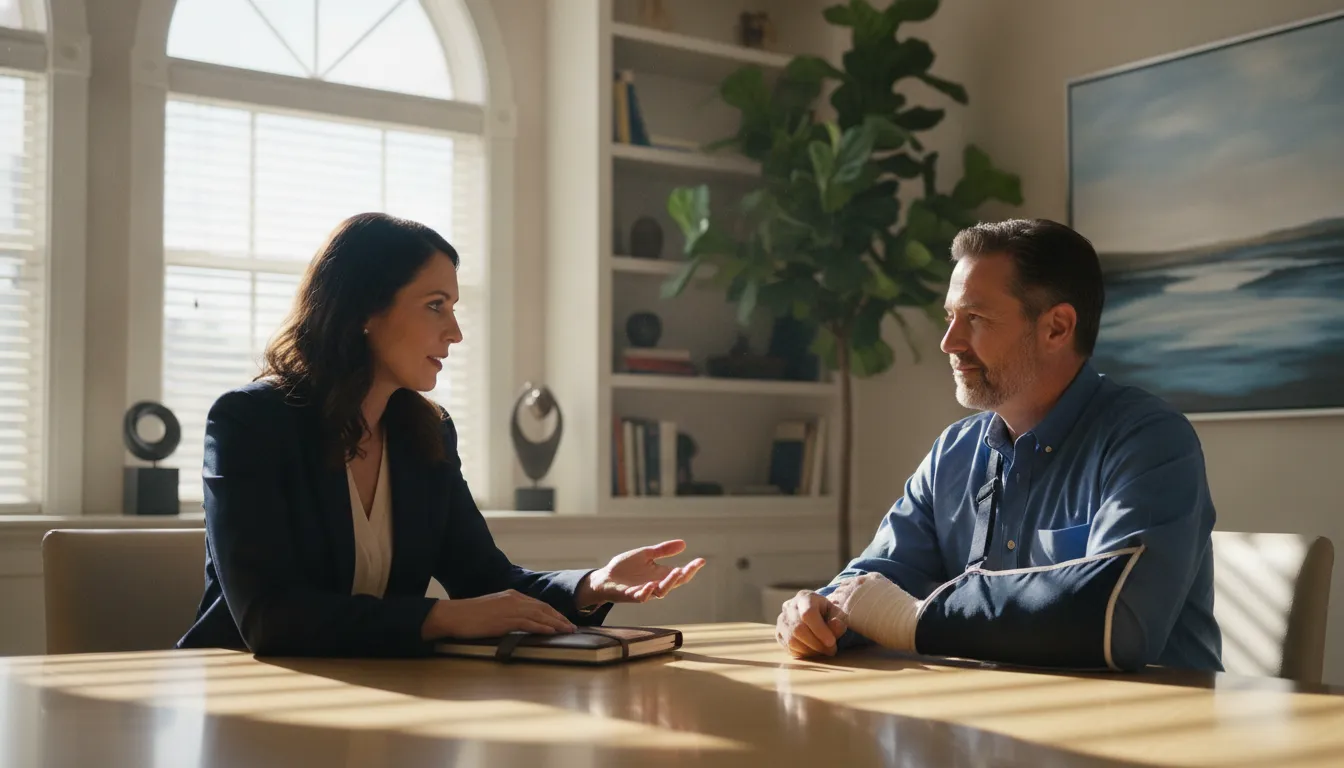
An injury can leave you trying to manage pain, questions, and practical decisions all at once. You do not need to solve the whole situation immediately. Start with your safety and health, then preserve the basic details while they are still clear.
After an injury, get to a safe place if you can, call 911 for urgent injuries, and seek appropriate medical care before worrying about paperwork. When you are ready to understand your options, a personal injury lawyer serving California’s Central Coast may explain how a claim process works and what information could matter.
For a vehicle collision, the California Department of Insurance recommends moving only when it is safe, calling 911 if anyone is injured, and attempting to notify police. Its accident guidance also offers a practical starting point for gathering information. The right next step depends on what happened, but a few calm priorities can help you protect your well-being and keep an accurate record.
Call 800-200-HURT to ask about your Central Coast injury situation.
What to Do First After an Injury on California’s Central Coast
Start with your health, not paperwork. If you may be seriously hurt, call 911 or ask someone nearby to call. Get medical care promptly, even if you are unsure how serious the injury is. Do not wait to take photographs, speak with an insurer, or collect information before seeking care. This general guidance is not a diagnosis; follow emergency professionals’ instructions.
- Get to a safe place and seek urgent medical care when needed.
- For a vehicle collision, notify emergency services and police as appropriate.
- When safe, keep names, witness details, photos, and incident records.
- Save medical and insurance documents, then ask about any deadlines that may apply.
After a vehicle collision, stop and move only if it is safe to do so. The California Department of Insurance advises calling 911 when anyone is injured and attempting to notify police. Its California accident guide also recommends exchanging contact and driver information, noting vehicle details, collecting witness contacts, and photographing damage and relevant scene conditions when it is safe. Do not put yourself in traffic or another hazard to gather evidence.
A blow to the head deserves particular caution. The National Institute of Neurological Disorders and Stroke lists warning signs that call for immediate medical attention. These include worsening headache, repeated vomiting, seizures, weakness or numbness, slurred speech, unusual confusion, or loss of consciousness. See the NINDS traumatic brain injury information for more. Seek urgent help for concerning symptoms rather than trying to decide on your own whether a brain injury has occurred. Symptoms can be serious even when there is no obvious wound.
For a fall or another incident away from a roadway, get to a safe place and ask for help if needed. Once immediate risks are addressed, make a simple record while the details are fresh: when and where it happened, what you remember, and who saw it. If safe and appropriate, take photos of the surrounding conditions and any visible damage or injury. Keep copies of discharge instructions or other care information, but do not let recordkeeping interrupt treatment or recovery.
People may be shaken or in pain, so it can help to ask a trusted person to stay with you, arrange transportation, or write down details. Avoid guessing about what caused the incident when speaking at the scene. If it was a car crash, you can review more practical steps in this guide to what to do after an automobile accident. Focus first on getting safe care; the next steps can follow when you are able.
Whether an injury happens on a local road, at a business, or elsewhere in the region. The same priority applies: address immediate medical needs and avoid creating new risks. You do not need a complete file of documents before asking questions about what happened or what options may be available. Preserve what you can when practical, and let urgent care come first.
What Information Can Help You Understand an Injury Claim?
A clear record can help you understand what happened and what insurance may apply. It can also show what questions remain. It does not establish fault or predict whether a claim will succeed. Keep copies of available records and note what you do not yet know.
For a vehicle crash, save the insurance declarations page and policy, if available. A declarations page identifies covered drivers and vehicles, coverage limits, and deductibles; the policy explains coverage and exclusions. The California Department of Insurance recommends reviewing the policy to understand its terms. Read the California Department of Insurance’s auto accident guide for more on policy details and information to collect.
Other useful materials may include a police or incident report, photographs of the scene or damage, and contact details for people who witnessed what happened. If you are organizing information after a car crash, this guide on what to do after a crash covers practical steps.
Keep medical records and bills, along with notes about appointments, symptoms, and effects on daily activities. California Courts explains that injuries may be physical, emotional, or psychological. Potential losses can include medical bills, lost wages, emotional harm, and other injury-related losses. Ongoing treatment and future problems may also matter. Emotional distress can be harder to measure than losses documented by bills. These are categories to document, not a promise that a particular loss will be recovered. California Courts’ personal injury information describes common claims and the need to prove each part of a chosen legal claim.
It can also help to write down the date, location, and a factual account of events while your memory is fresh. Keep the account neutral: a claim may involve questions about what happened and who may be legally responsible, which cannot be answered from one document alone.
Workplace injuries need particular care. They may involve workers’ compensation and, in some situations, a separate claim against another responsible person or business. This article is not workers’ compensation guidance, and the firm does not suggest it handles those cases. A workplace injury may require advice from a qualified workers’ compensation resource.
California Deadlines and Rules Can Change the Next Step
After an injury, it can be tempting to focus only on treatment and immediate expenses. It is also worth paying attention to legal deadlines early. Waiting to understand which rules apply may narrow the options available later, and different kinds of claims can follow different procedures.
California Courts explains that the usual deadline to sue for personal injury is two years from the date of injury. That is a general description, not a personalized deadline calculation. The right date and rule can depend on the circumstances, including what happened and who may be responsible. Do not assume that the usual period applies to every situation or that the clock necessarily starts when you first decide to seek legal help.
Claims involving a government agency require particular care. California Courts warns that the deadline is shorter when someone wants to sue a government agency, and the process has separate claim requirements. The court’s government-claim guidance describes the process for making a claim against a California government agency. A claim may involve a public entity in circumstances that are not obvious at first. So it is important not to assume that the standard personal-injury timeline is the only one to consider.
These distinctions can affect what someone should do next. A person may need to identify a potentially responsible party, preserve relevant records, and determine whether a government claim procedure applies. California Courts also notes that a person bringing a personal-injury case must prove every part of the legal claim they choose. The facts and available evidence matter, and a general online overview cannot determine how a particular event fits the law.
If you are unsure which deadline or procedure applies, consider getting advice promptly from a qualified California attorney. Bring the date and location of the incident, any correspondence from an insurer or public agency, and records that help explain what happened. An attorney can review those details and explain the possible next steps. This information is general education, not legal advice about an individual claim.
How a Central Coast Personal Injury Lawyer in California Can Help
The Central Coast includes communities spread across a broad area, so a useful first question is not simply whether a firm serves California. Ask whether it handles injury claims involving the community where your accident happened and whether its team can work with you in a practical way from where you live.
James McKiernan Lawyers describes a Central Coast focus, particularly in San Luis Obispo and Santa Barbara Counties. Its location directory links to city-specific service information, including pages for San Luis Obispo, Santa Maria, and Santa Barbara. The firm also provides an overview of its personal injury practice.
These pages can help you check whether your city and type of accident fit the firm’s stated service area. A location page alone does not tell you that the firm has a staffed office in that city, or that every case from the area is accepted. If you are unsure, ask directly about your location and circumstances before making plans around an in-person meeting.
| Community | Service information | What to confirm |
|---|---|---|
| San Luis Obispo | San Luis Obispo location page | Whether the firm handles your type of injury claim and how meetings can be arranged. |
| Santa Maria | Santa Maria location page | Whether current service coverage includes your incident and preferred way to communicate. |
| Santa Barbara | Santa Barbara location page | Whether your circumstances fit the firm’s current practice and how an initial discussion works. |
When speaking with a firm, consider asking:
- Does the firm handle personal injury claims arising in my city or county?
- Can meetings or case updates be handled by phone or video if travel is difficult?
- Who will be my main contact, and how can I reach that person?
- What information would help the firm assess whether it can assist with my particular type of injury claim?
Local fit is about more than a nearby address. You should be able to understand how your questions will be answered and how communication will work. A firm should explain the next steps in plain language. If you were injured in San Luis Obispo, Santa Maria, Santa Barbara. Or a nearby community, use the linked pages as a starting point, then confirm current coverage directly. A clear answer about whether the firm can help is more useful than assuming service based on a city name in a directory.
Choosing a Central Coast Personal Injury Lawyer in California
Compare lawyers by their approach, not by promises about results. Ask about relevant experience, who would handle the work, and how the firm communicates. Those details matter across San Luis Obispo County, Santa Barbara County, and the wider Central Coast.
Ask about experience that fits your circumstances
Ask whether the lawyer has handled claims involving a similar kind of accident, injury, and disputed issue. Experience should be specific enough to be useful: a claim involving a commercial vehicle, for example, may raise different questions from a fall on someone else’s property. You can also ask what evidence would matter and what uncertainties could affect the case. The answer should explain how the lawyer would assess your facts, rather than suggest that past results guarantee yours.
If a lawyer describes themself as a certified specialist, verify the credential. The State Bar says attorneys may advertise this designation only when certified directly by the State Bar of California. The program has experience, examination, and continuing education requirements. Certification is one factor, not a substitute for deciding whether the lawyer’s approach and communication suit you. See the State Bar’s explanation of legal specialization.
You can also consult the State Bar’s guidance on selecting an attorney. Where available, a State Bar-certified lawyer referral service can connect people with a local lawyer who handles the relevant issue. You are not obligated to hire a referred lawyer.
Understand communication and case handling
Before signing, find out who your regular contact will be and who will make major decisions or appear in court if needed. Ask how often the firm typically provides updates and how to reach the team with a time-sensitive question. Also ask what information they need from you. A clear explanation of possible next steps, evidence gaps, and factors that could slow negotiations is more useful than certainty about a settlement or timeline.
Use the initial consultation to see whether the lawyer listens carefully and explains unfamiliar terms in plain language. James McKiernan Lawyers offers a free initial consultation, but you can still ask what the meeting will cover and whether you are expected to bring particular records. For more qualities to assess, see this guide to qualities to look for in counsel.
Review the fee agreement before deciding
The firm handles personal injury matters on a contingency basis, but its fee percentage is not published here. Ask how the fee is calculated and which case costs may arise. Find out whether costs are deducted before or after the fee, and what happens to costs if there is no recovery. Get the answers in writing and read the agreement before signing. The State Bar’s guidance on attorney fees and billing explains why clients should understand the fee arrangement and ask questions about it.
Questions to Ask Before Choosing a Central Coast Personal Injury Lawyer
An initial conversation is a chance to understand whether the lawyer’s experience and working style fit your needs. You do not need to know every legal term. Bring a short list and ask for clear answers, especially if your injury happened in one county and you live or receive care in another.
- Claim fit: Have you handled claims involving this kind of injury and the circumstances I described? What facts would you need to assess before explaining possible next steps?
- Regional familiarity: Have you handled matters connected to the county or communities involved in my situation? Where could a case like mine be filed, and what determines that?
- Communication: Who will be my main contact, how should I reach them, and when should I expect updates?
- Team roles: Who will handle day-to-day work on my file, and which tasks would the attorney personally oversee?
- Uncertainty: What is not yet known about my claim? What evidence or developments could affect the assessment?
- Fees and costs: How are legal fees calculated? Which case costs might arise, who pays them as the case proceeds, and what happens to them if there is no recovery?
- Written terms: Will I receive a written agreement explaining the fee arrangement, costs, and scope of representation before deciding whether to proceed?
Listen for answers that address your questions rather than promises about a result. A lawyer should explain what is known, what remains uncertain, and what may happen next. No outcome should be presented as guaranteed. If an answer is unclear, ask for plain language or time to review the terms. The State Bar of California offers guidance on fees and billing and a guide to selecting an attorney.
Comparing how lawyers explain their approach can help you decide whether you feel informed and comfortable. For more points to consider, see these qualities to look for in counsel.
Frequently Asked Questions
How are personal injury lawyer fees handled in California?
Review the written fee agreement before deciding. Ask how the attorney’s fee is calculated, whether case expenses are separate, and who pays those expenses if there is no recovery. The State Bar of California explains what to expect regarding fees and billing; the specific terms depend on your agreement.
How much might a California injury settlement be?
There is no reliable figure to promise without reviewing the particular claim. The outcome can depend on the evidence, responsibility for the injury, medical costs, lost income, ongoing treatment, and other effects. California Courts notes that injury claims may include medical bills, lost wages, emotional harm, and other losses. An early estimate may change as facts develop.
Which injuries can be hardest to prove?
There is no single injury type that is always hardest to prove. Symptoms and their effects can be difficult to document when they are not readily visible or measured by a bill. California Courts specifically notes that emotional distress can be harder to measure than expenses supported by bills. Keep relevant treatment records and describe how the injury affects daily activities.
What should I tell a personal injury attorney?
Give a complete, truthful account of what happened and what followed. Share relevant records, treatment information, insurance communications, known witnesses, and facts that may complicate the claim, including anything you are unsure about. Do not guess or leave out an inconvenient detail. A lawyer can assess the situation more accurately when the information is candid and complete.
Contact us about your Central Coast injury matter
A conversation can help you understand whether your situation may fit the firm’s personal injury work and what information may be useful to gather. You do not need to have every detail organized before asking your questions. Contact James McKiernan Lawyers to discuss your matter and request a free initial consultation. The team can explain the next step and answer questions about getting started.