Rental Car Accident Lawyer California: What to Do
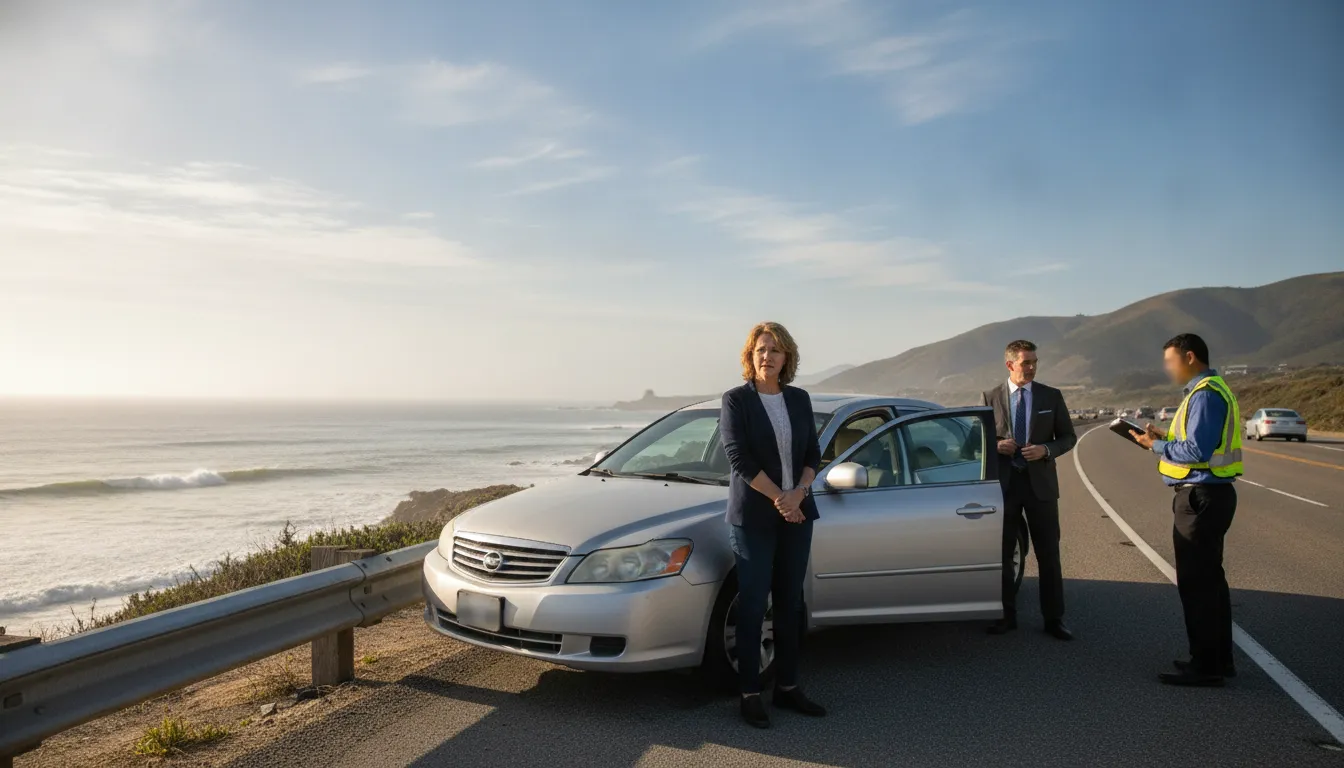
A rental-car crash can leave you managing injuries, insurance questions, and a vehicle you do not own. You may need to deal with the rental company, your own insurer, the other driver’s insurer, and a credit-card provider at the same time. Your first priorities are safety, medical attention, accurate documentation, and prompt notice to the right parties.
Call 800-200-HURT to discuss a California rental-car accident with James McKiernan Lawyers.
After a rental-car accident in California, get medical help and report the collision when required. Exchange information and photograph the scene. Notify the rental company and insurers. Preserve every related document. A rental car accident lawyer california can help evaluate liability and coverage when the facts or claim process become disputed.
Coverage can differ substantially between a rental damage waiver, a personal auto policy, credit-card benefits, and the other driver’s insurance. Do not assume that one source will pay every loss. The following steps can help you protect your health, evidence, and legal options.
What should you do after a rental-car accident in California?
The California Department of Insurance recommends stopping immediately and moving only if it is safe. It also advises calling 911 if anyone is injured, attempting to notify police, exchanging identifying information, photographing the damage and scene, and notifying your insurer. These priorities apply whether you were driving the rental car or were injured by someone who was.
- Get to safety and request emergency help. If you can move safely, get out of active traffic and turn on your hazard lights. Call 911 for injuries, a dangerous roadway, suspected impairment, or any emergency. Do not argue with the other driver or move a seriously injured person unless emergency conditions require it.
- Obtain medical care. Some collision injuries become noticeable hours later. Seek prompt evaluation, follow medical instructions, and explain that symptoms followed the crash. Save discharge papers, prescriptions, bills, work restrictions, and follow-up records.
- Report the collision. Ask how to obtain the police or collision report. In California, an SR-1 report is generally due to the DMV within 10 days if anyone is injured or killed, or property damage exceeds $1,000. The SR-1 is separate from a police report and an insurance report. Confirm how the rule applies to your circumstances.
- Exchange information when it is safe. Record names, addresses, telephone numbers, driver’s license information, license plates, vehicle identification numbers, and insurance information. Gather contact details for passengers and witnesses.
- Notify the rental company and insurers. Follow the rental agreement’s accident instructions. Report the collision to the rental company, your auto insurer, and any insurer that may cover the other driver. Use accurate facts, but avoid guessing about speed or fault.
- Preserve evidence. Photograph vehicle damage, the roadway, traffic controls, debris, visible injuries, and relevant conditions. Save dashcam footage, the rental agreement, damage notices, receipts, claim numbers, emails, letters, and notes from calls.
For additional California accident guidance, review this California car accident claim guide. It is also wise to avoid signing a broad release or accepting a quick settlement before you understand whether you have injuries, unpaid losses, or coverage questions.
How can a rental car accident lawyer california help with coverage?
Several policies may appear relevant after a crash in a rental vehicle, but they do not all pay for the same losses. Start by separating damage to the rental car from compensation for injuries and other harm. Then review the rental agreement, your auto policy, any credit-card benefits, and the other driver’s insurance.
The California Department of Insurance warns that personal auto policies do not always cover rental vehicles. Some policies cover only a replacement or substitute vehicle while your own car is being repaired. Credit-card benefits may also apply differently to traditional rental agencies and peer-to-peer vehicle-sharing services. Policy language and the facts of the collision control.
| Possible coverage | What it may address | Question to ask |
|---|---|---|
| Rental company’s damage waiver | Damage to, or theft of, the rental vehicle under the contract’s terms. | Did you purchase it, and what exclusions or notice rules apply? |
| Personal auto policy | Potentially the rental vehicle or liability, depending on the policy and rental purpose. | Does the policy cover this rental rather than only a temporary replacement? |
| Credit-card coverage | Potential rental-vehicle damage benefits when the card’s conditions are met. | Does it cover this type of rental, and is it primary or secondary? |
| At-fault driver’s insurance | Potential bodily-injury and property-damage claims caused by another driver’s negligence. | Who was responsible, and what losses can the evidence support? |
| Uninsured or underinsured motorist coverage | Potential injury protection when the responsible driver lacks insurance or has inadequate limits. | Does your policy include it, and do its terms apply to this crash? |
A damage waiver may address the rental company’s vehicle claim but not bodily injuries. An injury claim against another driver may not resolve a dispute about repair charges, loss of use, or contractual obligations. Insurers can also disagree about which coverage responds first. Keep every policy, waiver confirmation, credit-card benefit document, rental receipt, repair communication, and insurer letter.
If the other driver was uninsured or underinsured, review your policy promptly. This article about underinsured motorist coverage in California provides related background, but your policy language and facts require individual review.
Who may be responsible for a rental-car accident?
Responsibility depends on what happened, who caused the crash, and which losses you are seeking to recover. The driver who violated a traffic rule may be responsible for bodily injuries and vehicle damage. The renter, rental company, or a maintenance provider may also become relevant when the evidence points to negligent use, an unsafe vehicle, or a preventable mechanical problem.
The other driver
If another driver was speeding, distracted, impaired, or failed to yield, that driver’s insurance may be a source of recovery. A police report, witness statements, photographs, traffic-camera footage, vehicle damage, and driver accounts can help establish what occurred. Fault is not always obvious from the location of the damage, so preserve evidence before vehicles are repaired.
The renter or another driver
The person operating the rental vehicle may share responsibility if they drove carelessly or permitted an unauthorized person to drive. A driver may also face questions about using the vehicle in a way prohibited by the rental agreement. The agreement can identify authorized drivers and restrictions. Its terms do not automatically decide legal liability for an injury. The facts and applicable law still matter.
California follows a pure comparative-negligence approach. The California Supreme Court explained in Li v. Yellow Cab Co. that damages may be reduced in proportion to the claimant’s share of fault. An injured person who was partly responsible may still have a claim, but the amount may be reduced.
The rental company or a maintenance provider
A rental company may need investigation when a vehicle had a known safety defect, inadequate maintenance, or a problem that should have been addressed before the rental. A repair shop or maintenance provider may also be relevant. These theories require evidence, such as inspection records, prior complaints, recall information, repair invoices, and expert analysis where appropriate. A mechanical failure alone does not prove negligence.
Property damage and injury liability are different
Damage to a rental car or other property may involve a collision claim, damage waiver, insurance coverage, or contractual charges. Bodily-injury compensation concerns medical expenses, lost income, pain, and other legally recognized losses. The party responsible for repairing a vehicle is not necessarily the only party responsible for an injured person’s losses.
What costs and records matter after a rental-car crash?
Good records help separate what happened at the crash from what each insurer or company is asking you to pay. Start a file as soon as possible. Keep paper copies and digital backups, and record the date and substance of every important call.
Rental and vehicle records
Save the rental agreement, authorized-driver information, damage waiver selection, inspection photographs, return records, towing invoices, repair estimates, damage notices, and any demand for payment. If the rental company claims loss of use, diminished value, or other charges, request an itemized explanation and the documents supporting it. Do not ignore a demand, but do not assume it is accurate merely because it comes from the rental company.
Injury and financial records
Keep medical records, bills, prescriptions, mileage to appointments, work restrictions, wage information, and notes about symptoms. A rental-car claim can include property damage without bodily injury, or it can involve both. Do not combine the two categories when reviewing an offer. A property-damage payment may not resolve an injury claim unless the release says so.
Insurance communications
Keep policy declarations, claim numbers, adjuster letters, recorded-statement requests, valuation reports, coverage decisions, and settlement offers. Ask questions in writing when possible. If a carrier denies coverage, identify the policy provision it relies on and ask for the denial in writing. Avoid making a statement that guesses about facts you do not know.
California’s Department of Insurance recommends notifying an insurer promptly and documenting the scene. The DMV also requires the SR-1 in qualifying situations. The general California Courts guide lists two years for many personal-injury lawsuits and three years for many property-damage lawsuits, but deadlines can be fact-specific. Government claims and other circumstances may have different rules.
What does “rental car accident lawyer california” mean for your claim?
Consider legal guidance when another driver denies fault, injuries are serious or developing, several insurers are involved, the rental company demands payment, or the coverage language is unclear. A consultation can also be useful if an insurer requests a recorded statement. Disputes treatment, offers less than your documented losses, or asks you to sign a release quickly.
Cases can become more complicated when a rental company, peer-to-peer vehicle-sharing service, employer, maintenance provider, or government vehicle is involved. Your personal policy may also contain uninsured or underinsured motorist coverage that requires careful review. The responsible party for damage to a rental vehicle may not be the same party responsible for an injured person’s losses.
Before giving a recorded statement, gather the basic records and confirm which claim the adjuster is discussing. You can describe what you know without guessing. Explain any symptoms honestly, even if they seem minor. Ask for a copy of documents you are asked to sign. If a carrier requests a broad release, ask whether it covers property damage, bodily injury, or both. Keep notes of deadlines and follow up in writing. These steps can help prevent confusion when several claims are open at once.
James McKiernan Lawyers represents accident victims throughout California, with a strong Central Coast presence. The firm can assist with police-report retrieval and analysis, insurance claim filing and negotiation, medical-provider coordination, and property-damage support. Learn more about the firm’s California personal injury lawyers before deciding what next step fits your situation.
Contact James McKiernan Lawyers for a free consultation about your rental-car accident.
Frequently Asked Questions
What happens when you get in an accident with a rental car?
First, protect anyone who is injured and report the collision when required. Then notify the rental company and potentially relevant insurers, preserve the rental agreement and evidence, and review each coverage source. The result depends on fault, injuries, the rental contract, and applicable policies.
Who pays if you damage a rental car?
Potential sources include a purchased damage waiver, your personal auto policy, credit-card coverage, or the at-fault driver’s insurance. Each has conditions and exclusions. Ask for an itemized claim and review the policy or contract before accepting responsibility or signing a release.
What if someone else was driving my rental car?
Authorization matters, but it does not alone answer every liability question. Review the rental agreement, identify who was driving, preserve the evidence, and notify the rental company and insurers. An unauthorized driver or a prohibited use may create coverage disputes that require individual legal review.
How long do I have to file a California rental-car accident lawsuit?
California Courts lists general periods of two years for many personal-injury cases and three years for many property-damage cases. These are not universal answers. Government entities, minors, delayed discovery, contracts, and other facts can change the analysis. Obtain advice before relying on a general deadline.
Contact James McKiernan Lawyers for a free consultation about your California rental-car accident claim.