What If the Other Driver Is Uninsured?
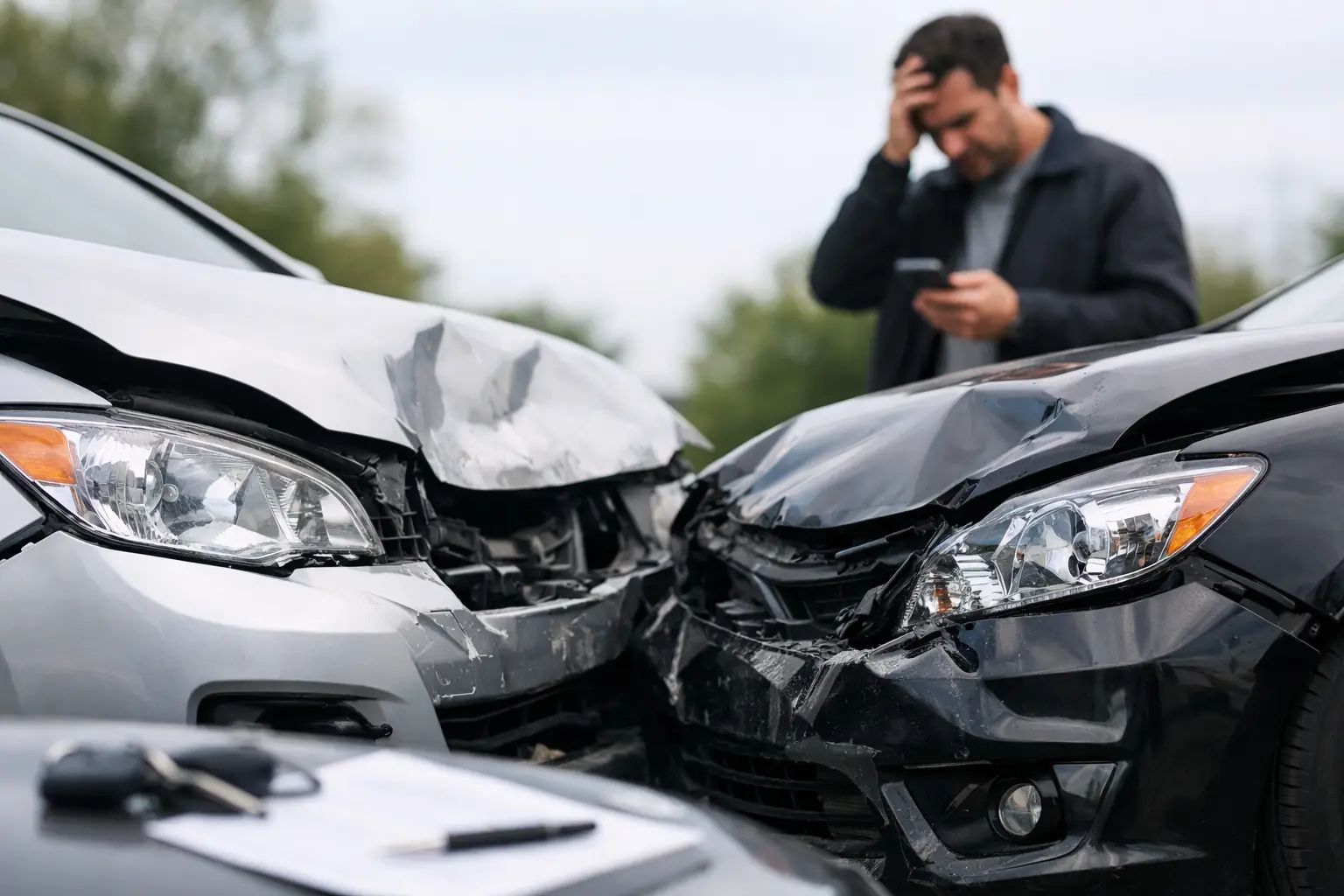
You exchange information after a crash, ask for the other driver’s insurance card, and get the answer nobody wants to hear – they do not have coverage. If you are wondering what if other driver uninsured, the first thing to know is this: you may still have a strong path to compensation, but what you do in the next few hours and days can make a big difference.
In California, uninsured drivers are a real problem. Even when the other driver clearly caused the collision, getting your medical bills, lost income, vehicle damage, and pain and suffering paid is not always simple. The at-fault driver may have no insurance, few assets, and every incentive to avoid responsibility. That is exactly why uninsured motorist coverage and early legal guidance matter.
What if the other driver is uninsured in California?
If the other driver is uninsured, you generally still have three possible routes. The first is a claim under your own uninsured motorist coverage if you carry it. The second is pursuing the at-fault driver personally. The third is looking closely at whether another insurance policy may apply, such as a policy covering the vehicle owner, a household member, or a commercial policy tied to the use of the vehicle.
For most injured people, the most practical recovery source is uninsured motorist coverage, often called UM coverage. In California, this coverage can step in when the at-fault driver has no liability insurance. If you also have underinsured motorist coverage, it may help when the other driver has some insurance, but not enough to cover the full value of your losses.
That said, every claim turns on the facts. A rear-end collision with soft tissue injuries is different from a head-on crash causing surgery, long-term disability, or a wrongful death claim. The insurance available, the severity of the injury, and whether fault is disputed all affect the next steps.
What uninsured motorist coverage can do
UM coverage is designed to protect you when the person who caused the crash cannot. It may cover medical expenses, lost wages, and non-economic damages such as pain and suffering, up to the limits of your policy. If you were a passenger in your own car, driving it, or in some cases even injured as a pedestrian or cyclist by an uninsured driver, your policy may still apply.
This surprises many people. They assume their own insurance company is automatically on their side because they have paid premiums for years. But once a serious injury claim is made, your insurer may start evaluating your case much like the other side would. They may question fault, dispute how badly you were hurt, or argue your treatment was excessive. That is one reason uninsured motorist claims often benefit from legal representation early, not after problems start.
Property damage is a separate issue. Uninsured motorist bodily injury coverage does not always pay for car repairs. Collision coverage usually handles damage to your own vehicle, subject to your deductible. Some drivers also carry uninsured motorist property damage, but the details depend on the policy.
The first steps after an uninsured driver crash
If you are able, call 911 and make sure a police report is created. When the other driver has no insurance, documentation becomes even more important. You want the officer’s observations, witness names, the location of the crash, and any admissions captured as early as possible.
Get medical attention right away. If you delay treatment, the insurance company may later argue you were not seriously hurt or that something else caused your symptoms. Some injuries, especially concussions, neck injuries, back injuries, and internal trauma, do not always show their full impact at the scene.
Take photos of the vehicles, the roadway, skid marks, debris, visible injuries, and anything else that helps explain what happened. If there are witnesses, get their contact information. Then notify your insurer promptly, but be careful about giving a recorded statement before you understand your rights.
This is where people can accidentally weaken their own case. They are shaken up, trying to be cooperative, and end up guessing about speed, impact, or injuries. A simple “I’m okay” said in the wrong moment can later be used against you.
Can you sue an uninsured driver?
Yes, you can sue an uninsured driver. The real question is whether doing so will lead to meaningful recovery. If the driver has assets, income, or other sources of recovery, a lawsuit may be worth pursuing. But many uninsured drivers carry no insurance because they cannot afford it, which often means collecting a judgment is difficult.
That does not mean a lawsuit is never useful. Sometimes it helps uncover additional coverage or puts pressure on the responsible parties. For example, the driver may have been using someone else’s car, driving for a business purpose, or living in a household with policies that need to be examined. A careful investigation matters because the obvious answer is not always the complete answer.
When fault is disputed, the case gets harder
One of the toughest uninsured driver cases is not just lack of insurance. It is lack of insurance plus a dispute over who caused the crash. Your own insurance company may not simply accept your version of events. They may look at vehicle damage, statements, prior medical records, and accident reconstruction issues before agreeing to pay.
This is especially common in intersection crashes, lane-change collisions, and accidents with limited witnesses. In those cases, strong evidence can change the outcome. Photos, surveillance video, black box data, and witness testimony may be the difference between a denied claim and a successful recovery.
What if you were a passenger?
Passengers often have more options than they realize. If you were injured while riding in someone else’s car, you may be able to make a claim under the driver’s uninsured motorist coverage, your own policy, or another available policy depending on the facts. You do not have to pick a side between drivers before getting legal advice.
The same goes for family members in the household. Some policies extend protection in ways people do not expect. That is why reviewing every possible source of coverage is so important after a serious crash.
Common mistakes after learning the other driver has no insurance
The biggest mistake is assuming there is no case because there is no insurance. That is often wrong. Another mistake is handling everything through your own insurer without understanding the value of the claim or the policy language involved.
People also hurt their cases by waiting too long to seek treatment, missing follow-up care, posting about the crash on social media, or accepting a quick payment before the full extent of the injury is known. Once money is accepted and a release is signed, reopening the claim is rarely possible.
There is also a timing issue. Insurance policies have notice requirements, and California law sets deadlines for legal claims. Waiting can cost you leverage, evidence, and sometimes the claim itself.
Why legal help matters in uninsured motorist claims
An uninsured motorist claim sounds straightforward until the insurance company starts minimizing it. Suddenly there are questions about prior injuries, gaps in treatment, policy limits, comparative fault, and whether the crash really caused the medical problems you are dealing with now.
An experienced personal injury lawyer can identify all available insurance, preserve evidence, deal with adjusters, calculate damages, and push back when your own carrier undervalues the case. In serious injury claims, that can mean the difference between a token offer and real compensation.
For injured people in California, especially after a major crash involving surgery, permanent limitations, or a family member’s death, speed matters. The earlier the case is investigated, the easier it is to secure records, witness statements, and other proof before it disappears.
James McKiernan Lawyers has spent more than 50 years helping injured Californians take action after devastating accidents, including uninsured motorist claims. If the other driver had no coverage, that does not mean you are out of options.
What to remember if the other driver has no insurance
What if other driver uninsured? Start by protecting your health, preserving evidence, and reviewing every possible insurance policy that may apply. Do not assume your own insurer will automatically offer a fair amount, and do not assume a lack of insurance ends the case.
A crash with an uninsured driver can leave you angry, stressed, and unsure who pays next. But this is exactly the moment to get clear answers, fast. The right move now is not to panic – it is to act before the evidence fades and the insurance company gets too far ahead of you.