Can Social Media Hurt Your Personal Injury Claim?
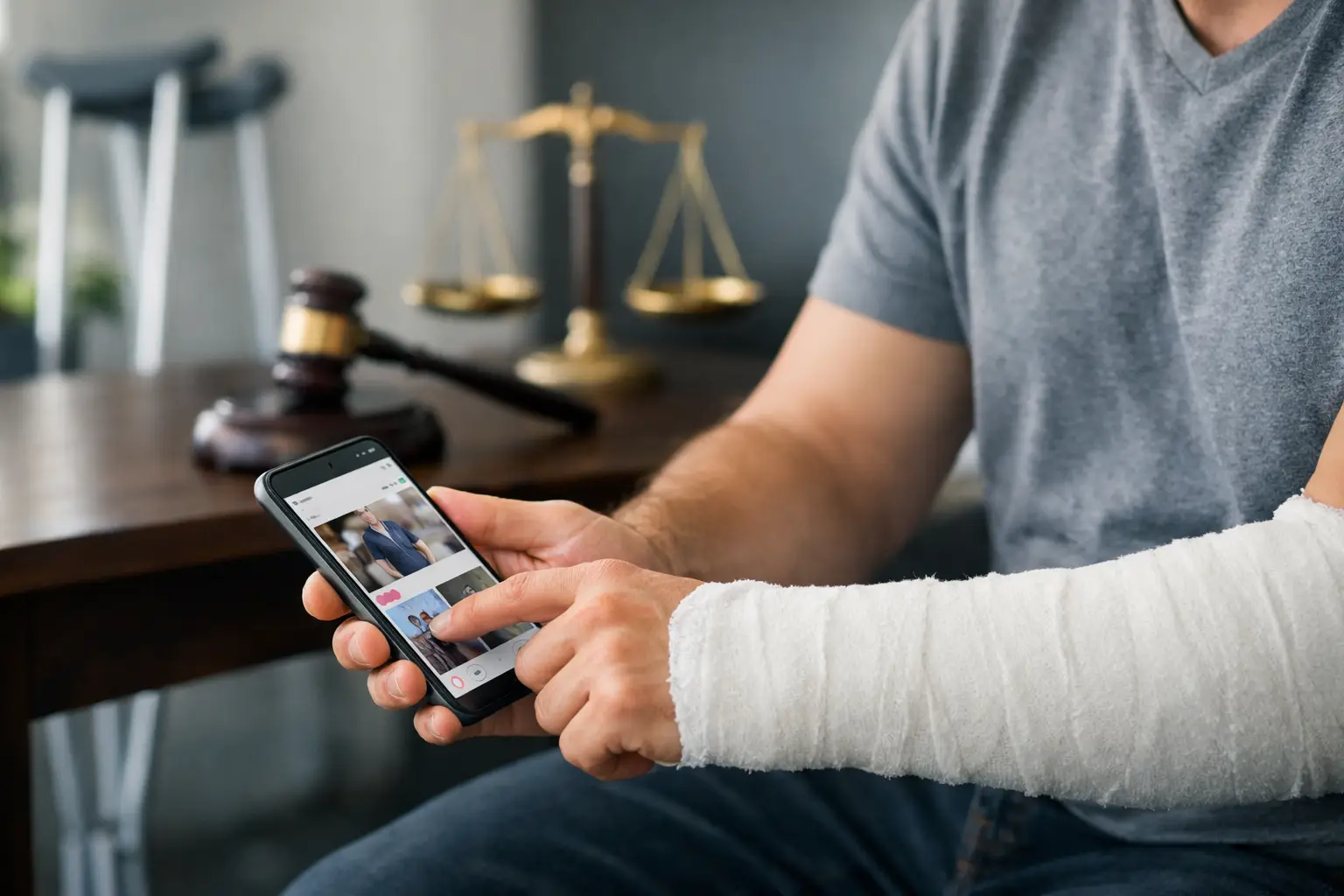
A single photo from a birthday dinner, a check-in at the beach, or a comment saying you are “doing okay” can take on a very different meaning once an insurance company sees it. If you are asking, can social media hurt a claim, the honest answer is yes – but it depends on what was posted, how it is interpreted, and what other evidence supports your injury case.
After an accident, insurers look for reasons to question the seriousness of injuries, reduce the value of a settlement, or argue that someone else caused the harm. Social media can give them material to use, even when a post does not show the full reality of your pain, limitations, treatment, or recovery.
Can Social Media Hurt a Claim in California?
Social media can hurt a personal injury claim when a post appears inconsistent with the injuries or losses you are reporting. That does not mean every smiling photo destroys a case. People with serious injuries can still attend family events, sit outside for a few minutes, or try to maintain a sense of normalcy. But insurance adjusters and defense attorneys may present isolated posts without that context.
For example, imagine someone injured in a car crash posts a photograph standing at a concert. The image may not show that they needed medication, left early because of pain, used a cane just outside the frame, or spent the next two days in bed. Still, the insurer may argue the photo proves the person was not as limited as claimed.
A post is rarely the entire case. Medical records, witness accounts, accident evidence, employment records, and testimony matter. Yet a careless post can create an unnecessary dispute and give the other side an argument it did not have before.
What Insurers May Look for Online
Insurance companies may review public social media profiles after an accident. They may look at Facebook, Instagram, TikTok, X, Snapchat, LinkedIn, online forums, and other platforms where people share photos, videos, comments, or location information.
The concern is not limited to posts about the accident. An adjuster may compare your online activity with statements about pain, mobility, lost income, emotional distress, or daily limitations. Common areas of scrutiny include:
- Photos or videos showing exercise, travel, recreation, lifting, driving, dancing, or physical activity
- Check-ins, location tags, and stories that place you at events or outings
- Comments about your health, recovery, work, the accident, or the person who caused it
- Messages that discuss fault, apologies, anger, settlement expectations, or legal strategy
- Posts from friends or relatives that tag you, show you in photos, or describe your condition
Even a harmless update can be misunderstood. Saying “I’m fine” often means “I am getting through the day,” not “I have no pain or injury.” Online, though, those words may be used to challenge your claim.
Privacy Settings Are Helpful, Not Absolute Protection
Making an account private is sensible, but it does not make online content untouchable. Posts shared publicly can be collected. Content that friends, family members, or followers can see may also become relevant in a case. In some situations, social media evidence may be requested during the legal process if it is relevant to the issues in dispute.
Never accept a friend request or follow request from someone you do not know just because it appears connected to a familiar community or interest. Insurers and defense representatives should not misrepresent who they are to gain access to private information, but you should not depend on discovering their identity after access has been granted.
The safest approach is simple: do not post about the accident, your injuries, your treatment, your activities, or your claim while your case is pending. Ask close family members to follow the same rule when they post about you.
Do Not Delete Existing Posts
Many injured people hear that social media can be used against them and immediately begin deleting old posts. That can create a separate problem. Deleting material after a claim begins may lead to accusations that evidence was destroyed or hidden, especially if the content is relevant to the case.
Instead, preserve what already exists and speak with an experienced personal injury attorney before changing, removing, or editing anything. Your attorney can evaluate the situation, explain what should be retained, and help you make careful decisions that protect your rights.
This is one reason getting legal guidance early matters. The first days after a crash, motorcycle collision, pedestrian accident, dog bite, or serious fall are often when people make understandable but avoidable mistakes. They want to explain what happened, thank friends for support, or share an update. Unfortunately, an insurer may view the same post as evidence.
Why “Normal” Activity Can Be Misread
An injury claim does not require you to stay inside your home or look miserable every hour of the day. California law recognizes that injuries affect people differently. Recovery can be uneven. Someone may have a good afternoon followed by several painful days. A person may push through a family gathering because it matters to them, not because they are fully recovered.
The issue is that social media usually captures a highlight, not the consequences. A ten-second video of someone walking does not show the physical therapy appointment afterward, the sleepless night, the medication, or the missed workdays. A vacation photo may not show that the trip was planned and paid for before the collision, or that the injured person spent much of it resting.
Still, you should assume that any image or statement may be viewed by someone looking for inconsistencies. Avoid giving them selective evidence they can use to minimize what you have been through.
What to Do With Social Media After an Accident
You do not need to disappear from the internet forever. You do need to be deliberate. Stop posting about the accident and avoid sharing details about your symptoms, medical appointments, financial pressure, or communications with insurers. Do not argue online with the at-fault driver, witnesses, or anyone who comments on the collision.
Review your privacy settings and limit who can view your profile, but do not rely on privacy alone. Turn off location sharing and avoid real-time check-ins. Ask friends and family not to tag you in posts or upload photos of you while the claim is ongoing.
Be especially cautious with direct messages. A private message can still be saved, forwarded, screenshot, or requested if it is relevant. Keep discussions about your legal case between you and your attorney.
If you have already posted, do not panic. A post may have a reasonable explanation, and it may not be damaging at all when placed in context. Save the content, avoid discussing it further online, and show it to your lawyer. Addressing an issue early is far better than allowing the insurance company to frame it first.
Your Claim Needs the Full Story
After a serious accident, you deserve to be judged by the full evidence, not a filtered snapshot or a casual comment made during a difficult day. An experienced attorney can gather medical documentation, investigate the accident, communicate with insurance companies, and challenge attempts to twist online activity into something it is not.
James McKiernan Lawyers has represented injured Californians for more than 50 years, handling over 35,000 injury cases. If an insurer is pressuring you for a statement, watching your online presence, or questioning your injuries, you do not have to handle it alone. A free consultation is available 24/7, and there is no attorney fee unless compensation is recovered.
Before your next post, pause. Protecting your claim may be as simple as keeping your recovery private and letting your legal team speak for you.