What Happens at a California Personal Injury Consultation?
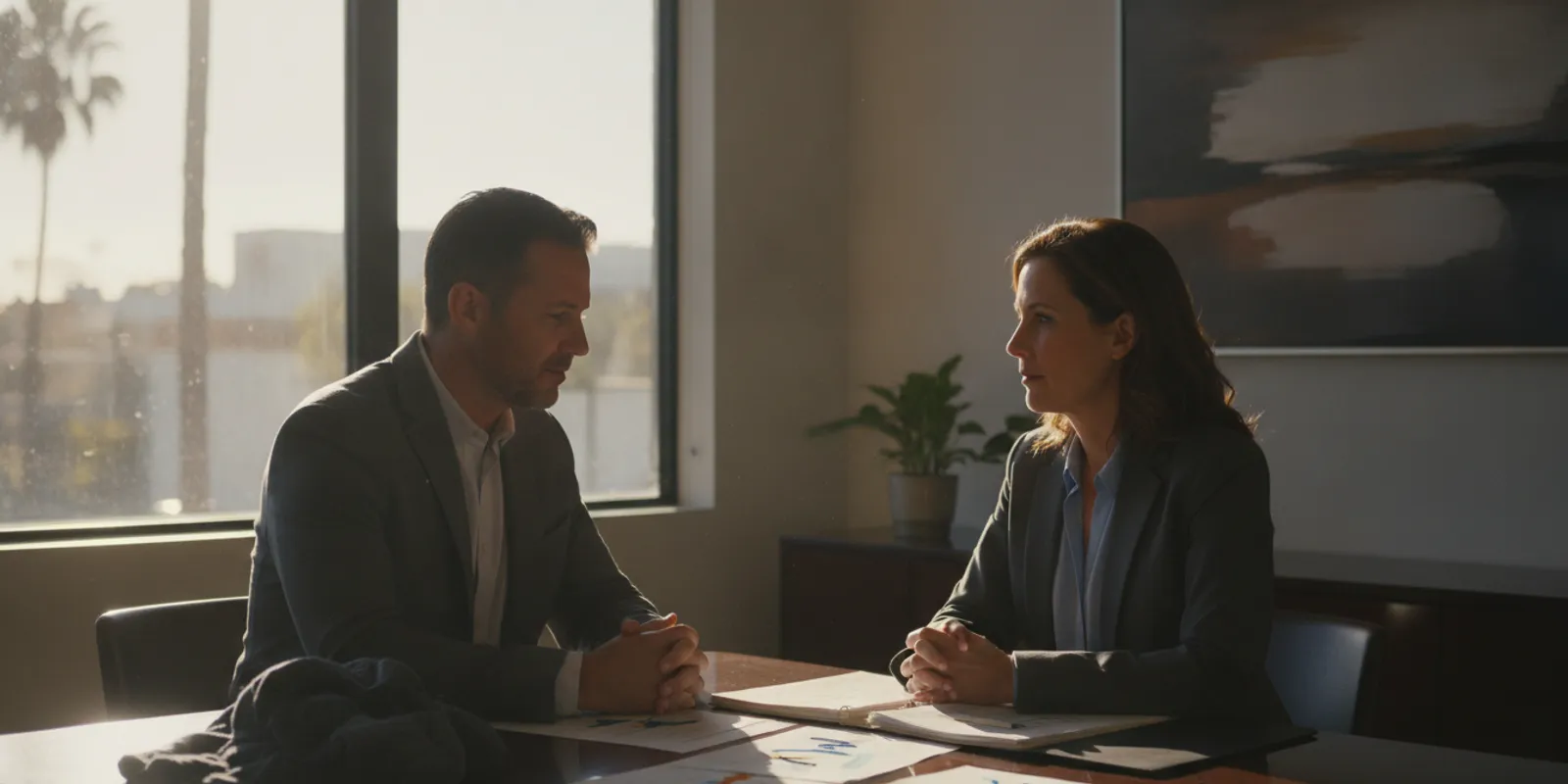
If you are looking for California personal injury help, an initial consultation can give you room to explain what happened, ask questions, and understand what facts may matter. You do not need every document or the right legal terms before you speak with a lawyer. The discussion is a starting point, not a promise about the result of a claim.
Request a free injury consultation
What does a California personal injury consultation cover?
A consultation is an initial conversation about the incident, your injuries, and your concerns. The lawyer may ask when and where it happened, who was involved, what you remember, and what has happened since. If another person or business may have contributed, the lawyer may ask what you observed and whether there are witnesses, photographs, or records.
You can describe how the injury affects ordinary life. Mention medical care, missed work, changes to your duties, and difficulty with routine activities. You do not have to calculate a claim value. Early information is often incomplete, and treatment or investigation may still be underway.
The goal is to understand enough to discuss possible legal issues and useful next steps. The lawyer may identify what is known, what remains uncertain, and what evidence could help. If the firm cannot take the matter, ask whether there are deadlines or practical issues you should address promptly.
How can California personal injury help begin with a clear account?
Before the meeting, make a short timeline. Include the date, approximate time, location, people involved, and events immediately before and after the injury. Mark uncertain details instead of filling gaps with guesses. If you have several versions of the event in notes or reports, bring them and explain the difference.
Start with what you personally remember. Separate direct observations from assumptions. After a car crash, for example, describe direction of travel, traffic controls, impact, and what happened afterward. After a fall, explain where you were, what you encountered, and whether you noticed the condition before being hurt. Give a sequence rather than trying to decide who was legally at fault.
It is acceptable to say, “I do not remember,” or “I am not sure.” Do not make the account sound more complete than it is. If you later notice an error in a report or statement, point it out and explain what you believe is accurate. Preserve relevant photos and messages, and keep original files unchanged.
Include what you did after the event. Note whether you reported it, sought care, spoke to an insurer, or contacted a property owner or employer. Tell the lawyer if you gave a recorded statement, signed a document, accepted money, or received a proposed release. Ask for an explanation before agreeing to something you do not understand.
Which records should you bring?
Gather what is easy to access. You can bring copies or digital versions and keep originals in a safe place. A useful starting file may include:
- Photos or video of the scene, vehicles, property condition, or visible injuries.
- Names and contact details for witnesses, if known.
- An incident or collision report, claim number, and insurer correspondence.
- Medical visit summaries, discharge instructions, prescriptions, bills, and appointment details.
- Records of missed work or changed duties, if available.
- Messages, emails, or letters about the incident or claim.
- A brief symptom log and a list of questions you want answered.
Do not postpone a useful conversation just because a report or bill is missing. Explain what you have requested and what has not arrived. If records are stored in an online portal, ask how to share them securely. Avoid sending sensitive personal information through a channel you have not verified.
For a simple way to organize material, label files by date and type, such as “June 4 scene photos” or “June 10 visit summary.” Keep a separate note of the source of each item. Do not alter image timestamps or crop away context. If you have a large file, ask which portions are most useful for an initial review rather than sending an unorganized archive.
Sort records into a useful sequence
A compact packet is easier to discuss than a folder of mixed files. Put a one-page timeline first. Follow it with the incident report or claim information, then relevant photographs, medical documents, and work records. Add a short note beside anything that needs explanation, such as a date that appears different across two documents.
Keep a copy of what you share. If you send a digital file, use clear names and avoid editing the original. A photo of a scene may need surrounding context to show where it was taken. If you have multiple images, group them by date and explain which view each one shows.
There is no need to create a formal binder. A folder on your phone or computer can work if the files are easy to find. If you are meeting by phone, keep the key dates and names in front of you. If the lawyer asks for additional documents later, you can follow up with only the requested items.
What should you explain about injuries and losses?
Describe symptoms, when they began, and how they have changed. Explain what care you have received and whether follow-up was recommended. Keep following guidance from treating professionals. A legal consultation does not replace medical evaluation, and a lawyer cannot diagnose an injury.
A short daily note can help you recall changes over time. Record the date, symptoms, activities that were difficult, appointments, and expenses. Keep it factual. For example, “needed help carrying groceries on Tuesday” is more useful than a broad conclusion about the injury. Do not guess costs that have not been billed; mark them as pending.
Work and household effects may also be relevant. Note days missed, schedule changes, modified duties, or tasks you temporarily could not do. Save pay or employer records you already have, but do not ask a health professional to make a legal conclusion. The lawyer can explain what kinds of documentation may be relevant to the circumstances.
The effect of an injury can include financial and personal consequences. Their legal significance depends on the evidence and situation. You do not need to present a polished damages calculation during an initial meeting. A clear account of what changed, when it changed, and what records exist is a better beginning.
Use examples rather than conclusions
Specific descriptions help the lawyer understand the practical effects without requiring you to label them. Instead of saying that work became impossible, explain whether you missed particular shifts, changed tasks, or needed help with a physical duty. Instead of saying that sleep is poor, note how often you wake and whether that changed after the incident.
Keep the account balanced. Mention improvement as well as difficulty, and distinguish what you experienced from what someone else observed. If a symptom began days later, explain that timing. If you are still waiting for a diagnosis or follow-up, say so rather than guessing what the outcome will be.
This information can be updated. A consultation is not a final inventory of every effect. If something changes after the meeting, ask the firm how to provide the new information and keep copies of supporting records.
How can shared fault affect the discussion?
California follows a pure comparative fault approach. A person’s share of responsibility can affect recovery, even where another party may also be responsible. The lawyer may ask about your actions, what you could see, and what happened immediately before the incident. These questions help identify facts; they are not an accusation.
Answer honestly, including details that seem unfavorable or unclear. If you were distracted, unfamiliar with a location, or did not see a condition, say so rather than deciding how it affects the case. Responsibility is assessed from the full circumstances and available evidence. A consultation cannot settle that issue based on a single detail alone.
Evidence can clarify competing accounts. Depending on the incident, that may include photographs, witness recollections, a report, messages, or physical records. Preserve what you have and tell the lawyer where other material may be held. Do not contact a witness to shape what they say; simply provide their name and what you know about their observations.
What can a lawyer explain during the meeting?
The lawyer may discuss whether the facts suggest a possible personal injury claim, who might be involved, and what further evidence could matter. This is an initial assessment, not a guarantee that a case will succeed. Questions about responsibility, injury, insurance, and deadlines may require additional information or investigation.
You can ask how communication works, what to preserve, whether to be cautious about particular discussions, and what the next step would be if the firm agrees to represent you. Ask for plain-language explanations of unfamiliar terms. If the lawyer cannot answer definitively yet, ask which facts would help resolve the uncertainty.
Many personal injury lawsuits in California are subject to a two-year filing deadline, but exceptions and shorter deadlines can apply. Claims involving public entities, for example, may have different procedures and earlier requirements. Do not use a general time period to decide when to act. The California Courts overview of statutes of limitations explains the general concept; a lawyer can discuss how a specific rule may apply.
You can read about the firm’s personal injury representation, its auto accident matters, and the broader practice areas. These pages offer context, but the facts of an individual matter still need to be reviewed.
How do consultation formats and preparation needs compare?
The right format depends on your circumstances and what information is available. Ask the firm about current arrangements when you make contact. This comparison is practical guidance, not a legal requirement.
| Situation or format | What may work well | Useful preparation | Considerations |
|---|---|---|---|
| In-person meeting | Reviewing papers together and having a focused conversation | Short timeline, records, written questions | Plan for travel, access, and scheduling needs |
| Phone or video conversation | Speaking from home when travel is difficult | Quiet space, notes, documents available if requested | Confirm how files should be shared securely |
| Few records available | Explaining the event and identifying missing items | Names, dates, basic recollection | Do not delay just to collect every record |
| Treatment ongoing | Discussing the incident while care continues | Current provider and appointment information | Keep medical decisions with treating professionals |
What should you ask before deciding?
A consultation is also your opportunity to decide whether you understand the proposed relationship and feel comfortable asking questions. Consider writing down the most important issues before the meeting:
- What facts or records would help evaluate my situation?
- Are there deadlines or immediate steps I should understand?
- Who would be my point of contact, and how can I reach the team?
- How are legal fees and case expenses handled?
- What would happen next if the firm agrees to represent me?
- What should I do if I receive a new document or call from an insurer?
James McKiernan Lawyers handles personal injury matters on a contingency fee basis, meaning clients pay no legal fees unless their case is won. The initial consultation is free and carries no obligation. Ask to review the fee agreement and have any unclear terms explained before signing. Do not assume every expense is treated the same as legal fees.
It can help to distinguish three questions: whether the firm can consider the matter, whether you understand the proposed fee terms, and whether you want to proceed. You do not have to treat the consultation as a commitment. Take time to read any agreement and ask about anything that is unclear before making a decision.
Prepare questions in priority order
If time or energy is limited, identify the two or three questions that matter most to you. A person with ongoing treatment may prioritize deadlines and records. Someone who received paperwork from an insurer may want to understand what the document does and whether a response is needed. A family member helping an injured person may ask how to coordinate communication and preserve information.
Write down the answer in plain language, then repeat it back if a point is important. This gives the lawyer a chance to clarify a term or correct a misunderstanding. You can also ask what the lawyer cannot determine yet and what information would be needed to revisit it.
Do not feel obliged to decide everything during the first conversation. If you need to discuss the decision with family or review written terms, say so. The purpose is to understand options and next steps, not to rush into a choice you do not understand.
How can you make the conversation useful?
Choose a quiet place if the consultation is by phone or video. Keep water, your timeline, and the most relevant documents nearby. If pain, medication, stress, or fatigue makes it hard to concentrate, consider asking a trusted person to help take notes, subject to the firm’s guidance about confidentiality and participation.
At the start, tell the lawyer what you most need to understand. Then give the short version of the incident before adding detail. This structure helps you cover the essentials: what happened, what injury followed, what care you have received, and what communication or claim activity has occurred since.
Pause when you do not understand a question. Ask for it to be restated or explained. You can correct yourself if you remember a detail later in the conversation. If you do not know an answer, say so. Guessing can create confusion that is harder to resolve afterward.
Before ending, summarize the next steps you heard. That may include locating a record, watching for a deadline, or waiting for follow-up instructions. Clarify who will contact whom and what channel to use. A short written checklist afterward can help you keep track without relying on memory alone.
What if you are helping a family member prepare?
A relative or friend can help collect dates, organize files, or write down questions. The injured person should share their own recollection when able. A helper should not fill gaps or speak as if they witnessed events they did not see. If the person cannot participate fully, ask the firm what information and authorization it needs.
For a family member, a practical role is to note the names of providers, appointment dates, claim contacts, and documents received. Keep personal details secure. Do not forward medical records or identification documents without confirming the proper recipient and method.
Support can also mean helping the injured person take breaks and focus on immediate needs. The meeting is not a substitute for urgent medical care. If a health concern needs prompt attention, seek care from an appropriate medical professional first.
Readers can review the firm’s about information and client review page for additional context. These materials do not determine what advice applies to a particular matter.
Discuss your questions with the firm
Frequently asked questions
Do I need every medical record?
No. Bring what you already have, such as visit summaries, bills, or discharge instructions. If records are missing or treatment is ongoing, explain that. Do not delay care or a timely legal conversation while assembling a complete file.
Should I speak with an insurance adjuster before the consultation?
You may receive calls or requests for information soon after an incident. Be truthful, but do not guess when you do not know an answer. Ask what a document is for before signing it, and consider seeking legal advice if you are unsure about a recorded statement or release.
Does a consultation mean the firm will take my case?
No. The lawyer needs to review the facts and determine whether the matter fits the firm’s practice and whether it can be handled. The discussion does not promise representation or a particular result.
What if I think I may share some responsibility?
Explain what happened as accurately as you can, including facts that may not seem favorable. Comparative fault can affect a claim, but responsibility depends on the evidence and circumstances. A lawyer can discuss the issue after reviewing the available facts.
What if I do not know the answer to a question?
Say that you are unsure rather than guessing. You can identify what might help you remember, such as a report, photo, or message, and follow up if you locate it. Accuracy matters more than appearing certain.
Take a clear first step
Begin with a short timeline, the records already available, and the questions you most want answered. A free, no-obligation conversation with James McKiernan Lawyers can help you understand possible next steps while you focus on your health and recovery.