California Total Loss Threshold: What to Know
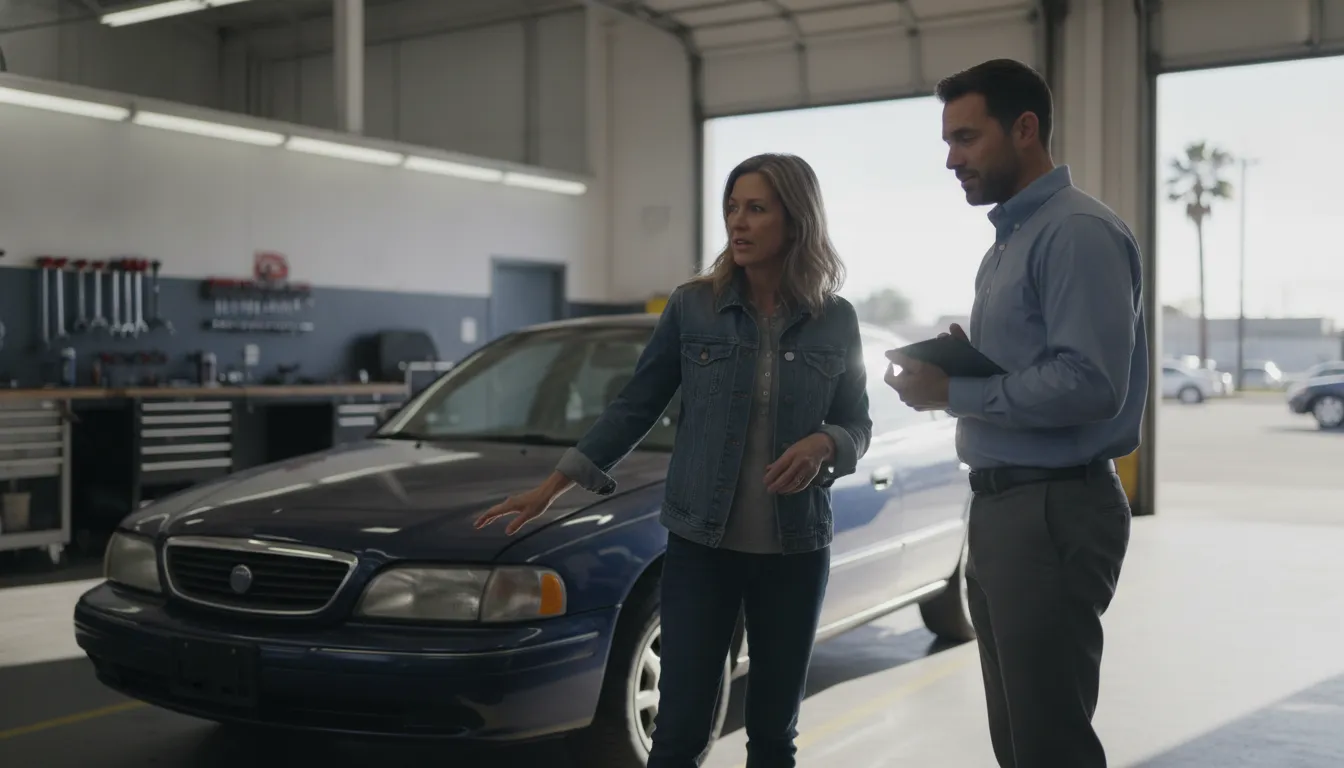
When an insurer says your car is a total loss, the number in the estimate is only the beginning. You may still need to understand how the vehicle was valued, whether the comparison vehicles are truly comparable, and what happens if the offer does not reflect your car’s condition or local market.
California does not use one universal percentage as the california total loss threshold for every vehicle. In practice, an insurer evaluates whether paying to repair the car makes financial sense and must support a cash settlement based on a comparable vehicle. The settlement should also include applicable taxes, transfer fees, and other required adjustments. The details of that evaluation matter when you review the offer.
Call 800-200-HURT to discuss your California accident claim.
The valuation process can involve more than the vehicle’s year, make, and model. Next, we explain what California’s rules require and how insurers should compare your damaged car with vehicles available in your local market.
What Is the California Total Loss Threshold?
California does not set one universal statutory percentage that automatically makes every damaged vehicle a total loss. In other words, there is no supported California rule saying that an insurer must total a car at exactly 70% or 80% of its value. The decision depends on the vehicle’s pre-accident value, the projected repair cost, salvage considerations, and the facts documented in the claim.
People often use the phrase california total loss threshold to describe the point at which repairing a vehicle no longer makes financial sense. In practical terms, an insurer compares the estimated cost of repairs, together with the vehicle’s salvage value, against the vehicle’s actual cash value before the crash. If the repair economics reach or exceed that value, the insurer may treat the vehicle as a total loss rather than authorize repairs. This is a practical formula, not a single percentage written into California law for every car.
What California’s regulation requires
California’s automobile claims regulation addresses how an insurer must calculate and support a total-loss cash settlement. Under California Code of Regulations, Title 10, Section 2695.8, the settlement may be based on the actual cost of a comparable automobile, less any applicable deductible. The regulation also addresses applicable taxes, one-time transfer fees, and certain license or annual fees.
That means the total-loss question has two separate parts. First, the insurer decides whether the damage warrants a total-loss classification. Second, it calculates what the vehicle was worth and what settlement amount is supported. A vehicle can be correctly classified as totaled while still being undervalued in the settlement offer.
Why the percentage can be misleading
A percentage-based shortcut can obscure important differences between vehicles. A newer vehicle with a high pre-crash value may be repairable after substantial damage, while an older vehicle with a lower value may become uneconomical to repair after less extensive damage. Parts availability, hidden damage discovered during teardown, and the vehicle’s salvage value can also affect the analysis.
If the insurer declares your car a total loss, request the valuation report and review the comparable vehicles, mileage, options, condition adjustments, taxes, and fees. A low offer may reflect an incorrect trim level, missing equipment, weak local comparables, or an unsupported deduction. The classification and the amount offered are related, but they are not the same issue.
How Does the California Total Loss Threshold Affect Your Settlement?
Once an insurer treats a vehicle as a total loss, the settlement should reflect the cost of replacing it with a comparable automobile, not simply an unexplained number from a valuation report. California’s claim-settlement standards focus on vehicles of like kind and quality, including the same manufacturer, a similar model year, model type, body type, options, and mileage. The comparable also must have been available for retail purchase in the local market within 90 calendar days of the final settlement offer.
Review the valuation report closely. The insurer may use an asking price or an actual sale price, but differences between your vehicle and each comparable should be fairly adjusted. Adjustments should be measurable, itemized, specified, appropriate in dollar amount, and documented. A deduction that cannot be supported should not be used. This matters when the report overlooks equipment, mileage, condition, or a stronger local market for similar vehicles.
| Issue | What to check | Why it matters |
|---|---|---|
| Comparable vehicles | Manufacturer, model year, model type, body type, options, mileage, VIN or seller information, and local availability | An unsuitable or unavailable vehicle can distort the replacement value. |
| Adjustments | Each difference is measurable, itemized, documented, and supported | Unsupported deductions may improperly reduce the offer. |
| Taxes and transfer fees | Applicable taxes, one-time ownership-transfer fees, and remaining registration-related fees | These costs can be part of the cash settlement under California standards. |
| Salvage retention | Whether you keep the vehicle, the salvage deduction, transfer fees, and DMV notice requirements | Keeping the damaged vehicle changes the payment and can affect future resale or insurance value. |
California’s regulation also addresses taxes and fees. A cash settlement based on a comparable automobile includes applicable taxes and one-time transfer fees, along with certain remaining registration-related fees. If you retain the damaged vehicle, the calculation changes. The insurer may deduct salvage value, while the settlement includes specified sales-tax and salvage-status transfer considerations. The insurer must also explain the DMV notice and potential effects on future resale or insured value.
For the governing standards, review California Code of Regulations, Title 10, section 2695.8. Keep the valuation report, comparable listings, maintenance records, photographs, and insurer correspondence together before responding to an offer.
Can You Challenge a Low Total-Loss Offer?
Yes. You can ask the insurer to review a low offer and provide evidence supporting a different valuation. That does not guarantee a higher payment, but a careful response can identify errors in the valuation report and create a clearer record of your position.
Start with the valuation report
Request the complete report, not just the settlement figure. Check the year, make, model, trim, mileage, body style, options, and recorded condition. Then review every comparable vehicle. California’s regulation requires a comparable automobile to be of like kind and quality, with similar features and mileage. It also generally must have been available for retail purchase in the local market within 90 calendar days before the final settlement offer.
Under California Code of Regulations, Title 10, section 2695.8, differences between your vehicle and the comparables must be fairly adjusted. Adjustments should be discernible, measurable, itemized, specified, appropriate in dollar amount, and documented. Ask the adjuster to explain any deduction you cannot connect to a specific difference. Unsupported deductions should not be used.
Build evidence about your vehicle
Gather records showing the vehicle’s pre-crash condition and equipment. Useful materials may include maintenance and repair receipts, recent inspection records, photographs of the interior and exterior, tire information, receipts for upgrades, and documents confirming mileage. Note options that the report missed, such as a particular trim package, safety feature, navigation system, or upgraded interior. You can also locate similar vehicles for sale locally, keeping the listing details, location, date, mileage, and equipment. Listings are evidence to discuss, not a promise that the insurer must adopt your number.
Respond in writing
Send a concise written request identifying each disputed entry and attaching the supporting document. Keep copies of the report, photographs, receipts, listings, emails, letters, and notes of telephone calls. If you need a structured way to organize your position, this claim appeal letter template may help you present the issues clearly.
Ask whether the insurer will issue a revised valuation or explain its decision. If negotiations do not resolve the dispute, consider obtaining legal advice before signing a release, especially if the crash also caused injuries, lost income, or other losses. A lawyer can review the valuation and the broader claim, but no review can promise a particular result.
What Should You Do After a Total-Loss Accident in California?
A total-loss decision can arrive while you are still dealing with pain, transportation problems, and uncertainty about the insurance claim. Keep the vehicle claim organized, but do not treat property damage as a substitute for a separate injury claim. These steps can help preserve information and keep the process moving.
- Get to a safe place and address injuries. Stop and move only if it is safe. Call 911 if anyone is injured, and seek medical attention for symptoms that appear at the scene or later. Ask for police or California Highway Patrol assistance when appropriate. A damaged vehicle may be replaced, but an injury needs prompt attention and its own documentation. The California Department of Insurance provides similar guidance to stop, move only when safe, and call 911 for injuries.
- Preserve photographs, reports, and contact information. When it is safe, photograph the vehicles, visible damage, roadway, traffic controls, and relevant conditions. Save the police report information, towing and storage records, repair estimates, witness details, and the other drivers’ insurance information. Keep a copy of every document in one claim folder. For more detail on steps after a California crash, use a checklist rather than relying on memory.
- Notify the insurers promptly and communicate carefully. Report the collision to your insurer as soon as reasonably possible. Ask when the inspection will occur, where the vehicle is being stored, and how the insurer calculated its total-loss valuation. Keep notes of calls and save emails, letters, valuation reports, and settlement offers. You can provide accurate facts without guessing about fault, the extent of injuries, or the final value of the claim.
- Review the valuation, lien, and loan information. Compare the insurer’s vehicle valuation with similar local vehicles and check whether mileage, options, condition, taxes, and transfer fees were handled correctly. Gather your purchase documents, maintenance records, upgrades, registration, and lender or lienholder information. If you retain the vehicle, ask for a clear explanation of any salvage deduction and DMV consequences. A loan balance may not equal the vehicle’s market value, so contact the lender promptly about the payoff amount and any gap coverage.
- File an SR-1 when California law requires it. The DMV says an SR-1 is generally due within 10 days when anyone is injured or killed, or property damage exceeds $1,000. This report is required in addition to reports made to police, CHP, or an insurer. Gather your identification, vehicle plate number or VIN, and insurance information before filing through the California DMV accident-reporting page.
- Arrange transportation and track related costs. Ask the insurer what rental, temporary transportation, towing, storage, and rideshare expenses may be covered under the applicable policy. Keep receipts and confirm limits before authorizing charges. Learn more about California rental car coverage before assuming a replacement vehicle is unlimited or automatically available.
- Calendar deadlines for both types of claim. Property damage and bodily-injury claims have different issues and may involve different evidence. California Courts lists general limitation periods of three years for property damage and two years for personal injury, while warning that deadlines are fact-specific. Review the applicable deadline early, especially if injuries, disputed fault, or a government vehicle are involved. The insurer’s property-damage offer does not resolve a separate injury claim unless you knowingly agree to terms that do so.
If the valuation is incomplete, the insurer disputes responsibility, or anyone was hurt, consider obtaining advice before signing a release. A careful review can help keep the property-damage and injury portions of the accident from being confused.
When Should You Talk With a California Personal Injury Lawyer?
You may benefit from legal guidance when the accident involves more than arranging repairs or replacing a vehicle. Property damage and bodily-injury compensation are separate parts of a claim. A total-loss offer addresses the vehicle, while an injury claim may involve medical treatment, lost income, pain, and other losses. Resolving one does not necessarily resolve the other.
Consider speaking with a lawyer early if you or a passenger has pain, needed medical care, or may need continuing treatment. Prompt advice can also help when another driver disputes responsibility, multiple vehicles were involved, or an insurer asks you to describe the accident before the facts are clear. California uses comparative negligence, so responsibility may be divided according to the evidence rather than treated as all-or-nothing. The California Supreme Court’s Li decision explains that damages can be reduced in proportion to a person’s assigned fault.
Legal guidance may be especially useful when a lien or vehicle loan complicates payment. The amount offered for the car may not equal the amount needed to satisfy a lender or lienholder. Similarly, an insurer’s valuation deserves careful review if the comparable vehicles seem different, adjustments are unexplained, or the offer does not appear to account for applicable taxes and transfer fees. California’s total-loss regulation addresses comparable vehicles and itemized adjustments, but reviewing whether the insurer applied those standards can require detailed records.
Situations that deserve closer review
- The insurer says your vehicle is a total loss, but the valuation report uses poor or distant comparables.
- The other driver’s insurer disputes fault or suggests you share responsibility.
- You have injuries, delayed symptoms, medical bills, lost wages, or a potential lien.
- You are being pressured to accept a release before you understand the full claim.
James McKiernan Lawyers is based in San Luis Obispo and serves clients throughout California, with longstanding Central Coast experience. A consultation can help separate the vehicle-damage issue from the injury claim, identify missing evidence, and clarify practical next steps without promising a particular result.
Call 800-200-HURT to discuss your California accident claim.
Frequently Asked Questions
Does California have a fixed percentage for declaring a car a total loss?
No. California does not use one universal percentage for every vehicle. Insurers generally compare repair costs and salvage value with the vehicle’s pre-crash value, while the settlement must follow applicable claim-handling standards. California Code of Regulations, Title 10, section 2695.8 describes payment based on the actual cost of a comparable automobile, with applicable taxes and transfer fees: California regulation section 2695.8.
What should I check in an insurer’s total-loss valuation?
Review the comparable vehicles, model year, trim, body type, mileage, options, condition adjustments, and local availability. Under section 2695.8, differences must be fairly adjusted, measurable, itemized, and documented. A comparable vehicle should have been available for retail purchase in the local market within 90 calendar days of the final settlement offer.
Can I keep my car after the insurer declares it a total loss?
Possibly, but retaining the vehicle changes the calculation. The insurer may deduct salvage value and adjust the settlement for salvage-related taxes and transfer fees. The regulation also requires written disclosure about notifying the California Department of Motor Vehicles, which can affect the vehicle’s future resale or insured value.
What should I do if the total-loss offer is too low?
Ask for the complete valuation report and compare it with local vehicles of similar make, model, year, mileage, and equipment. Gather maintenance records, upgrade receipts, pre-accident photographs, and communications with the insurer. Send a written response identifying each inaccurate comparison or unsupported deduction, and consider legal advice before signing a release if the dispute involves significant property damage or injuries.
Contact James McKiernan Lawyers for a free consultation about your California accident claim, or call 800-200-HURT.