Swimming Pool Accident Lawyer California: Legal Guide
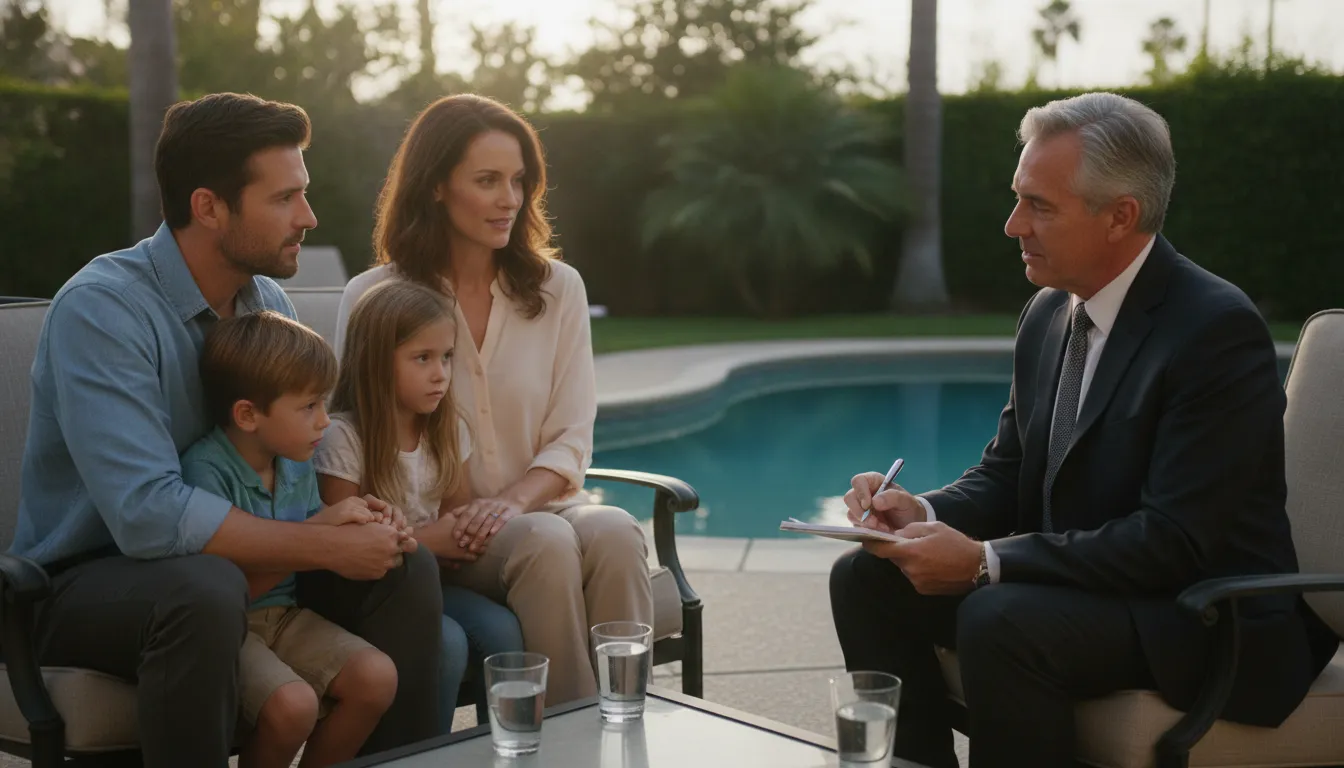
People searching for a swimming pool accident lawyer california often need answers after a frightening event.
A child may suffer a near-drowning. An adult may be hurt by a fall, unsafe dive, drain, chemical exposure, or defective equipment. After emergency care, families need clear answers about responsibility, evidence, medical costs, and California filing deadlines.
James McKiernan Lawyers can investigate a California pool injury. Potentially responsible parties include an owner, landlord, hotel, HOA, operator, contractor, manufacturer, or public entity. A claim may seek medical costs, lost income, pain, emotional harm, or wrongful-death losses. Liability depends on control, notice, causation, and evidence.
Medical care and immediate safety come first. After the injured person is stable, preserve the scene and identify everyone who owned, managed, maintained, or controlled the pool. Those details can become harder to prove after repairs, cleaning, or the loss of surveillance footage.
Call 800-200-HURT for a free consultation about your pool injury.
How a California Swimming Pool Accident Lawyer Helps After an Injury
James McKiernan Lawyers can evaluate who controlled the pool and what caused the incident. The investigation must connect that condition to the injury and determine who knew about the risk. Ownership alone does not decide liability.
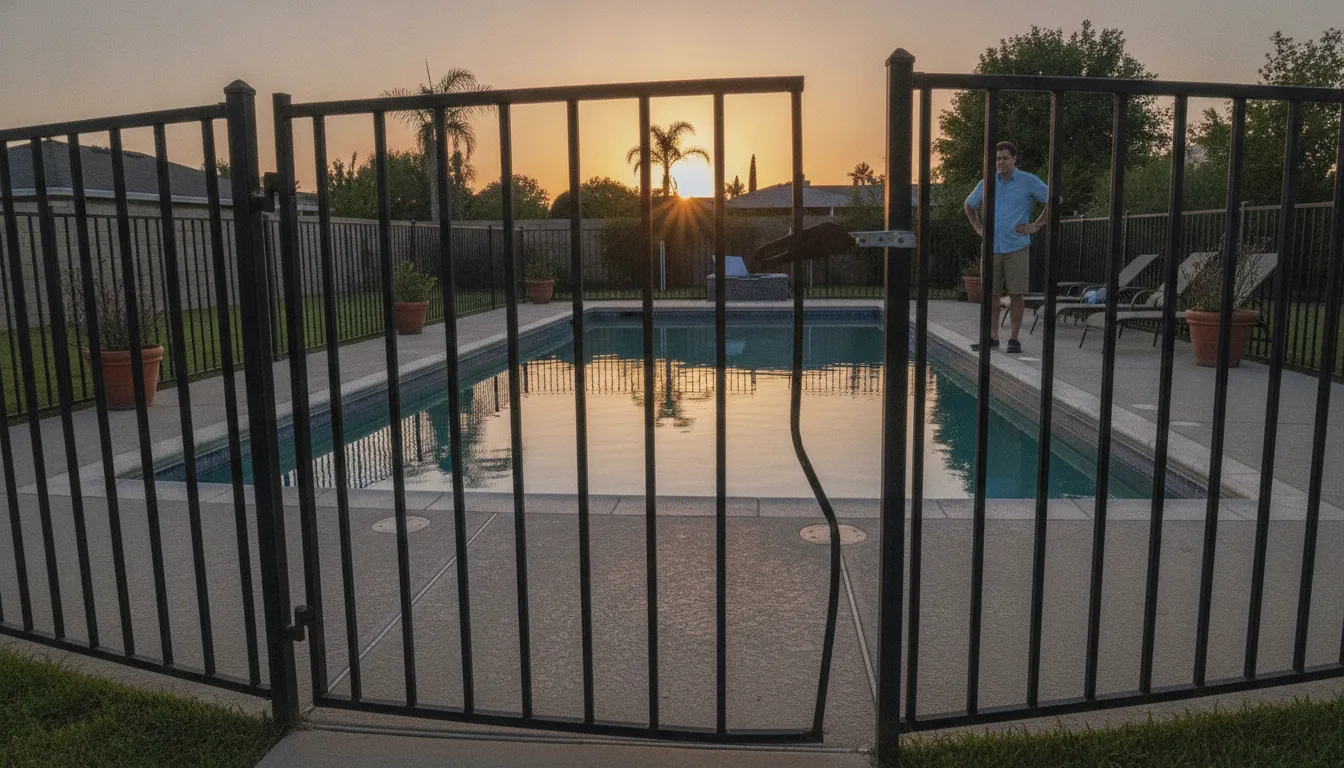
A homeowner may be involved when a guest is injured by an unsecured pool. A broken gate, defective latch, unsafe ladder, poor lighting, or another condition may have contributed. California residential pool safety requirements can involve barriers, covers, alarms, and related safeguards. The exact requirement may depend on the property and its construction history.
Apartment owners, landlords, and homeowners associations may share responsibility when they control a common pool or undertake inspection, maintenance, repair, or safety duties. A property manager or maintenance company may also be involved. Important questions include who had authority to fix the hazard, who received complaints, and who arranged the work.
Hotels, resorts, gyms, and other businesses can face claims involving inadequate maintenance, unclear warnings, unsafe access, poor lighting, defective equipment, or negligent supervision. A lifeguard’s staffing, training, position, and response may be relevant at a commercial facility. Contractors, pool-service companies, equipment makers, and other third parties may also matter.
Public pools require special attention. A city, county, school district, or other public entity may have different claim procedures and shorter deadlines. A swimming pool accident lawyer in California should identify every potentially responsible party before assuming that an ordinary private-property process applies.
When a child is injured, the investigation should examine the barrier, gate, latch, access route, supervision, warnings, and surrounding area. Shared fault may affect recovery, but a supervision question does not automatically eliminate a property owner’s potential responsibility. See the firm’s guide to who may be responsible for an injury on someone else’s property.
What Safety Failures Can Cause Pool Injuries?
Pool injuries often result from a dangerous condition, unsafe conduct, or both. Common concerns include broken fencing, gates that do not self-close or latch, missing or defective covers, absent alarms, poor lighting, slippery surfaces, unsafe ladders, and inadequate warnings. A safety feature’s presence does not prove that the facility met every applicable duty.
Diving injuries can involve shallow water, unclear depth markings, poor visibility, or a design that encourages diving where it is unsafe. A drain or suction point may create an entrapment risk if its cover is missing, damaged, or improperly secured. Murky water can hide a hazard or make it harder to recognize a person in distress.
Mayo Clinic safety guidance explains that drowning can be silent and fast and recommends close attention when children are near water. At a public or commercial pool, the investigation may examine lifeguard coverage, line of sight, response time, rescue equipment, and facility rules.
Maintenance records may reveal whether a responsible party knew or should have known about a risk. Relevant materials can include gate checks, drain inspections, lighting repairs, water-treatment logs, chemical records, equipment service reports, and complaints. Preserve the condition of the area when possible. Do not repair, discard, clean, or move equipment involved in the incident before it can be documented.
| Potential hazard | Useful evidence |
|---|---|
| Gate, barrier, cover, or alarm | Photos and repair requests. |
| Lighting, depth, ladder, or exit | Scene photos and witness accounts. |
| Drain, water, or rescue equipment | Equipment records and incident reports. |
| Chemicals or supervision | Logs, staffing records, video, and medical records. |
How Does a Swimming Pool Accident Lawyer in California Prove a Claim?
A strong claim connects four facts: what happened, what dangerous condition or conduct existed, who controlled it, and how it caused the injury. Start with complete medical records, bills, imaging, discharge instructions, and follow-up notes. For a near-drowning or oxygen-deprivation injury, keep records of emergency treatment, rehabilitation, cognitive symptoms, and future-care recommendations.
Report the incident to the owner, manager, lifeguard, hotel, facility operator, HOA, or public facility. Ask for a copy of the incident report. Record when, where, and to whom you reported it. Do not guess about fault in the report. Collect the names and contact information of witnesses, employees, and people who helped during the response.
Document the pool before conditions change
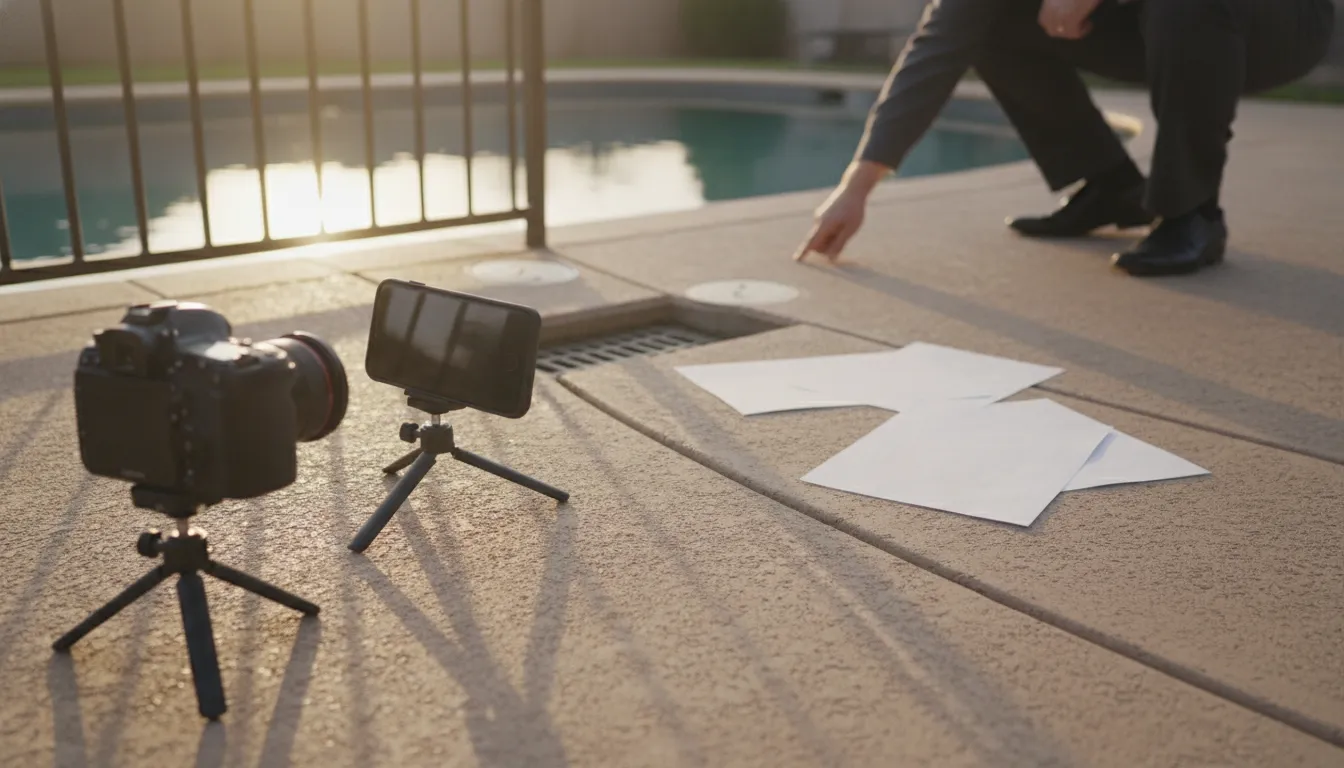
If it is safe and lawful, photograph and video the entire area. Capture the pool, deck, steps, ladders, drains, fencing, gates, latches, lighting, depth markings, rescue equipment, warnings, water conditions, and visible damage. Take wide images that show the layout. Also take close images of the condition involved. Preserve original files and their metadata.
Conditions can change quickly. A latch may be repaired, a drain cover replaced, or water cleaned. Surveillance footage may also be overwritten. Ask the owner or operator to preserve video from the pool, entrances, and surrounding areas. Save original messages, photographs, URLs, and social-media posts rather than relying only on screenshots.
Request records showing notice and control
Maintenance and inspection logs may show whether a defect was reported, how long it existed, and what response followed. Other records can include repair invoices, pool rules, safety policies, lifeguard schedules, training records, gate and alarm checks, and service-provider contracts. These materials can help identify who had the power and responsibility to address the condition.
The firm explains its broader approach in this guide to California premises liability claims. In complex cases, counsel may consult engineers, pool-safety professionals, medical specialists, or other experts. Expert review can matter when the cause of a catastrophic injury, the adequacy of a safety system, or future care needs is disputed.
How Does a Swimming Pool Accident Lawyer California Assess Damages?
There is no standard payout for a pool injury. Potential value depends on the injury, medical proof, available insurance, responsible parties, and documented losses. A careful evaluation considers immediate expenses and the long-term effect on the injured person and family.
Economic damages may include emergency treatment, hospital care, medication, rehabilitation, medical equipment, travel to appointments, and other reasonable medical expenses. A serious brain or spinal injury may require future therapy, assistance, adaptive equipment, or life-care services. Keep bills, prescriptions, treatment recommendations, mileage records, and other out-of-pocket documentation.
Lost income can include wages missed during recovery. If the injury limits the person’s ability to return to the same work, the evidence may also support reduced future earning capacity. California Courts identifies medical bills and lost wages as losses that may be claimed in a personal injury case, but the facts determine what can be recovered.
Non-economic damages address harm without a simple invoice. Depending on the evidence, they may include physical pain, emotional distress, fear, sleep disruption, loss of enjoyment of life, and lasting psychological effects. A wrongful-death case may involve financial support, household contributions, and loss of companionship. Punitive damages are not automatic and require a higher legal showing than ordinary carelessness.
Insurance may be involved for a home, apartment complex, hotel, club, or other facility. James McKiernan Lawyers handles injury cases on a contingency basis. Clients do not pay upfront attorney fees, and the firm is paid only if it obtains a settlement or verdict. The fee arrangement should be explained before representation begins. Review the firm’s discussion of premises liability settlement factors for related information.
How Long Do You Have to File a California Pool Injury Claim?
California personal injury lawsuits generally must be filed within two years of the injury date. California Courts explains that a person usually has two years from the injury date to sue. That general rule is not a substitute for a case-specific deadline review.
Different rules may apply when the injured person is a child or when the injury was not discovered immediately. A death or public-entity pool may also change the analysis. Government claims can involve a shorter notice period and separate filing steps. The responsible party’s identity may also affect the deadline.
Do not wait until the deadline is close to investigate. Video may disappear, witnesses may move, and a gate, drain, warning sign, or other condition may be changed. Early review can help preserve evidence, identify responsible parties, and determine which deadline applies.
Why deadline questions require prompt review
A swimming pool accident lawyer in California can review the incident date, medical history, property ownership, public-entity issues, and other facts that may affect timing. Bring photographs, reports, insurance communications, medical records, and information about the pool owner or operator. No lawyer can guarantee an outcome. Prompt review can protect options that may otherwise be lost.
Call 800-200-HURT to discuss your pool injury in a free consultation.
What Should You Do After a Swimming Pool Injury?
If someone has been submerged, cannot breathe normally, is unconscious, or has concerning symptoms, call 911 and follow the dispatcher’s instructions. Seek medical evaluation even if the person initially appears to recover. A drowning event can cause complications that are not obvious immediately. Mayo Clinic information discusses early recognition and treatment after a drowning event.
- Get emergency and follow-up care. Attend recommended appointments and report pain, breathing problems, cognitive changes, emotional distress, or other symptoms. Keep bills, prescriptions, discharge instructions, and therapy records.
- Report the incident. Notify the owner, manager, lifeguard, hotel, facility operator, or public facility. Ask for a written report and record the date, time, and recipient.
- Preserve the scene. If safe, photograph the pool area, gates, lighting, drains, warnings, water, equipment, and visible damage. Do not repair, clean, move, or discard involved equipment.
- Protect the evidence. Save witness details, messages, videos, insurance communications, and employment records. Ask that surveillance footage and electronic records be preserved.
- Use care with insurers. Report the incident as required, but do not guess about fault, minimize symptoms, give a recorded statement, sign a release, or accept a settlement without careful review.
- Seek prompt legal guidance. A California personal injury lawyer can assess the evidence, responsible parties, deadlines, and potential next steps.
Frequently Asked Questions
Who may be liable if someone drowns in a California pool?
Liability depends on who controlled the property, what caused the incident, and whether a dangerous condition or failure to act contributed to the harm. A homeowner, landlord, hotel, HOA, operator, contractor, manufacturer, or public entity may be involved. The evidence must connect the condition or conduct to the injury.
What evidence is needed for a California swimming pool accident claim?
Useful evidence may include photographs and video of the pool, gates, fencing, drains, lighting, warnings, water, and equipment. Preserve witness information, incident reports, surveillance footage, maintenance records, medical records, bills, employment records, and insurance communications. Original files are preferable to edited copies.
How long do I have to file a California pool injury lawsuit?
California personal injury lawsuits generally have a two-year deadline, but exceptions and special procedures may apply. Claims involving children, deaths, delayed discovery, or public entities can require a different analysis. Prompt review is important because the deadline and evidence issues depend on the facts.
What compensation may be available after a pool accident?
Depending on the proof, a claim may seek medical expenses, future care, lost wages, reduced earning capacity, pain, emotional distress, and other losses. A fatal incident may support a wrongful-death claim. Punitive damages are limited and are not available simply because an injury occurred.
Ready to Discuss Your Pool Injury Claim?
A pool injury can raise difficult questions about property conditions, safety responsibilities, supervision, evidence, insurance, and deadlines. James McKiernan Lawyers focuses on personal injury claims and can review what happened, explain which facts may matter, and discuss potential next steps.