Uber Lyft Accident Lawyer California Claims Guide
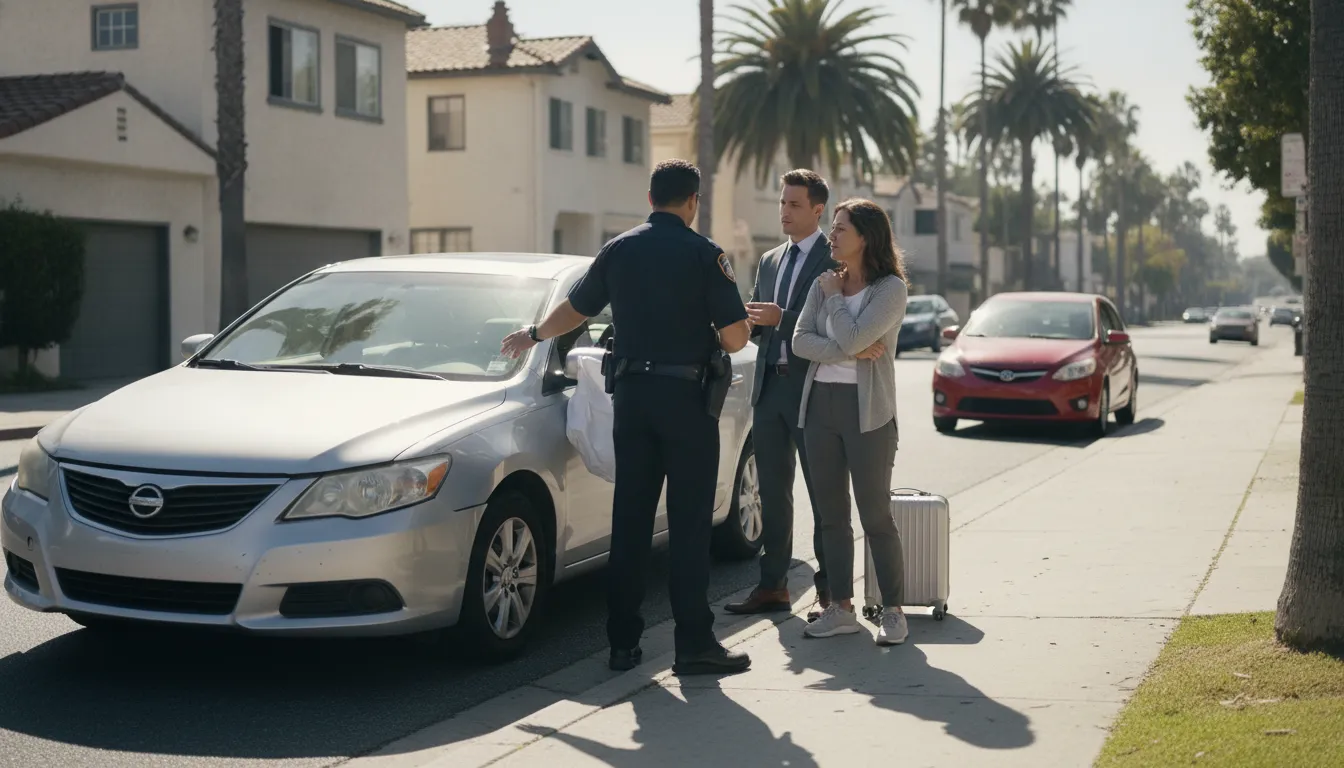
A rideshare crash can leave you dealing with an injured body, a damaged vehicle, and several insurers asking different questions. The first challenge is not simply proving that someone caused the collision. It is identifying the driver’s status when the crash occurred and matching that phase to the correct coverage. Rideshare claims feel more complicated than a typical fender-bender for a simple reason. A wrong policy choice can delay medical bills, stall lost-wage claims, and lower the compensation you can ultimately recover.
If you were hurt in a California Uber or Lyft crash, an uber lyft accident lawyer california can help determine whether the driver’s personal policy, limited rideshare coverage, or the company’s commercial policy should respond. The answer often depends on whether the app was off, the driver was waiting for a request, a ride had been accepted, or you were already a passenger.
That timeline can affect available policy limits and which parties must receive notice. Preserving trip information, scene photographs, medical records, and witness details early can also protect your claim while the evidence is still available. Understanding how each rideshare phase changes the insurance picture is the logical place to begin, and legal guidance can help you gather these details before they are lost.
If you were hurt in an Uber or Lyft accident in California, contact James McKiernan Lawyers for a free case review. Call 800-200-HURT to discuss which insurance coverage should respond to your claim.
How Rideshare Insurance Coverage Works in California
Uber and Lyft are Transportation Network Companies, or TNCs, regulated in California by the California Public Utilities Commission (CPUC). Their insurance does not operate as one simple policy that applies in every collision. Instead, the available coverage changes with the driver’s status in the app at the moment of the crash.
That status can determine which insurer receives the claim, what policy limits may apply, and what evidence must be gathered. The California Department of Insurance also explains that rideshare drivers must maintain personal auto insurance compatible with their TNC activities. You can read more about rideshare insurance coverage and the broader claims process.
When the driver is offline
If the driver is not logged into the Uber or Lyft app, the driver’s personal auto insurance is generally the primary source of coverage. The TNC’s commercial policy does not apply simply because the vehicle is sometimes used for rideshare work. This makes the driver’s app records and other timeline evidence important when the insurer disputes whether the driver was working.
When the driver is logged in but has no ride
A driver who is logged in and waiting for a ride request occupies a different coverage phase. Uber or Lyft may provide insurance during this period, but the coverage is limited compared with the protection available after a ride is accepted. The California Department of Insurance identifies this distinction as a key feature of rideshare claims. The driver’s personal policy and any applicable TNC coverage may need to be reviewed together.
When a ride is accepted or the driver is en route
Once the driver accepts a ride request and begins traveling to pick up the passenger, the applicable TNC coverage increases. The CPUC identifies this as a separate phase with higher insurance limits than the app-on, no-ride period. A collision during this stage may involve a stronger Uber or Lyft policy. But the exact determination still depends on records showing the driver’s assignment and location at the time of impact.
When a passenger is on board
When an Uber or Lyft passenger is in the vehicle, the TNC’s full commercial liability policy applies to the accident under the CPUC’s rideshare insurance requirements. That does not automatically resolve every claim. Fault, injuries, policy conditions, and the conduct of other drivers may still affect compensation. A careful review should identify the driver’s phase, preserve the relevant app data, and match the claim to every potentially responsible policy.
Because the insurance tier can change within minutes, do not assume the first insurer’s explanation is complete. Save trip receipts, screenshots, messages, and medical records, and report the collision through the platform’s required process. These details can help establish whether the driver was offline, waiting, heading to a pickup, or carrying a passenger.
Which Rideshare Phase Were You In? A Coverage Comparison
The same Uber or Lyft vehicle can be covered by different insurance layers during the same shift. California’s Transportation Network Company rules tie coverage to the driver’s status in the app, not simply to whether the vehicle displayed a rideshare decal. The exact phase at the moment of impact can determine which insurer should receive the claim and which policy limits may apply.
| Driver phase | What was happening in the app | Primary insurance layer |
|---|---|---|
| Driver offline | The driver was not logged into Uber or Lyft and was not available for a ride request. | The driver’s personal auto insurance is primary. The TNC commercial policy generally does not apply to a crash during this phase. |
| App on, no ride accepted | The driver was logged in and waiting for a request, but had not accepted a passenger trip. | The TNC policy may provide limited coverage, subject to the applicable policy terms and other available insurance. |
| Ride accepted, en route to pickup | The driver accepted a request and was traveling to the pickup location. | The TNC policy moves into a higher-coverage phase. This layer is generally more substantial than the limited coverage available while waiting for a request. |
| Passenger on board | A rider was inside the vehicle and the trip was active. | The TNC’s full commercial liability policy is primary for the rideshare driver’s covered negligence. |
These phases are not interchangeable. A crash seconds before a driver accepts a trip can involve a different coverage analysis from a crash during the trip. Even if the driver’s route and vehicle look the same. California’s insurance requirements recognize these changing risk periods, and the CPUC identifies separate requirements for drivers who are offline. Available for requests, traveling to a passenger, or carrying a passenger. Review the CPUC’s TNC insurance requirements for the regulatory framework.
After a collision, preserve the details that can establish the app phase: trip screenshots. Ride receipts, text messages, pickup information, and the precise time and location of the crash. Uber or Lyft may hold the underlying trip records, while insurers may focus on the driver’s account of what happened. Confirming that status early helps direct the claim to the correct policy instead of allowing an insurer to treat a higher-coverage phase as a lower-coverage one.
How to Pursue a Claim Against the Right Party
A rideshare collision can involve more than one potentially responsible party. The driver’s conduct, the driver’s status in the Uber or Lyft app, and the facts surrounding the crash all affect which insurer should receive your claim. Start by identifying the coverage phase, then preserve the evidence that proves it.
- Identify the driver and the app status. Obtain the driver’s name, insurance information, rideshare company, and vehicle details. Ask whether the driver was offline, logged in and waiting for a request, traveling to pick up a passenger, or carrying a passenger when the collision occurred. The exact app status can determine whether the driver’s personal policy, a limited rideshare policy, or the TNC’s commercial coverage is implicated. Request trip and dispatch records rather than relying only on a driver’s description, because an adjuster may later challenge the reported app status.
- Notify every potentially relevant insurer promptly. Report the crash to Uber or Lyft through the app and follow the company’s accident-reporting process. Prompt notice helps preserve trip records and prevents an insurer from arguing that a delay made the claim harder to investigate. You may also need to notify the rideshare driver’s personal carrier and your own automobile insurer, especially if another driver’s coverage is unavailable or insufficient. Reporting a claim does not require you to accept an insurer’s version of liability.
- Separate the driver’s liability from the company’s possible liability. If the driver caused the crash through speeding, distraction, impairment, or another negligent act, the initial claim may run against the driver’s applicable insurance coverage. California rideshare drivers are generally treated as independent contractors under current state law, which can make an automatic employer-liability theory more complicated. However, California law recognizes that a TNC may face liability when negligent hiring or retention contributed to the harm. See California Public Utilities Code section 5433 and the current SB 371 bill materials for the relevant legal framework.
- Preserve information before it disappears. Save the ride receipt, screenshots of the trip, messages with the driver, photographs, witness details, the police report, and all medical records. If you were a passenger, these records can help establish the trip phase and support passenger injury claims. Do not assume Uber or Lyft will voluntarily provide every internal record. A lawyer may need to request or subpoena app, dispatch, training, and driver-history information.
- Control communications with insurance adjusters. Adjusters may ask for a recorded statement soon after the crash or press you to characterize the driver’s app status before the records are available. Be accurate, but avoid guessing about speed, timing, fault, or the driver’s platform status. You can provide basic notice without giving a recorded statement or signing a broad medical authorization before receiving legal advice. Early legal guidance can help direct the claim to the correct party and prevent an incomplete statement from being used to reduce the value of your injuries.
The right claim may involve the driver, the TNC, another motorist, or your own uninsured or underinsured motorist coverage. A careful review of the phase records and collision evidence is often the fastest way to determine where responsibility and available insurance actually lie.
Evidence That Matters in a Rideshare Accident Claim
Strong evidence connects the crash to the driver, the rideshare trip, and the injuries that followed. Start by obtaining the police report and preserving every medical record, including emergency-room notes, imaging results, prescriptions, referrals, and treatment bills. These records help establish when the collision occurred, what symptoms were reported, and how the injury has affected your recovery.
Rideshare cases also require evidence that ordinary vehicle claims may not involve. Save the trip confirmation, receipts, messages, and screenshots from the Uber or Lyft app. The timestamped trip log can help show whether the driver was offline, waiting for a request. Traveling to pick up a passenger, or carrying a passenger when the crash happened. That status may affect which insurance coverage applies and which insurer should evaluate the claim.
Document the crash scene and the people who saw it
Take photographs as soon as it is safe to do so, or ask someone you trust to take them. Capture the damage to every involved vehicle, the roadway, traffic signals, lane markings, weather, lighting, and any obstruction that may have affected visibility. Photograph visible injuries and continue documenting changes during treatment. Keep the names and contact information of witnesses, including passengers, pedestrians, nearby drivers, and people who arrived immediately after the collision.
Witnesses can help clarify what the vehicles were doing before impact. Their accounts may also matter when the drivers disagree about speed, lane position, a signal, or who had the right of way. Do not assume that a witness will remain available or that a rideshare platform will preserve every message indefinitely.
Use app data to reconstruct the timeline
App location data is especially valuable in a rideshare claim because it can help reconstruct the driver’s movements before and during the trip. Location records may show the route, pickup point, timing, stops, and the vehicle’s relationship to the reported crash location. When combined with the police report, photographs, trip records, and witness accounts. This information can expose gaps in an insurer’s version of events or help establish which phase of the ride was active.
Other records may also matter. A driver’s history, including prior citations or safety concerns, may provide evidence relevant to negligent hiring, retention, supervision, or the driver’s conduct. Access to those records is not automatic, so preserving the trip information and reporting the collision promptly is important. Avoid deleting app communications, accepting a quick settlement, or giving a recorded statement before you understand what the available evidence shows and how it may affect your claim.
Common Rideshare Injuries and What You Can Recover
A collision involving an Uber or Lyft can cause injuries that are easy to dismiss at first and difficult to manage later. Whiplash is frequent in rear-end crashes, and symptoms may not fully appear until hours or days afterward. Neck pain, headaches, stiffness, dizziness, and reduced range of motion should be evaluated promptly so your condition is documented and treated.
More forceful impacts can injure the shoulders, arms, back, knees, or head. A brachial plexus injury affects the network of nerves between the neck and arm. It may cause severe pain, weakness, or loss of sensation. The Mayo Clinic explains that some cases require specialized treatment, including nerve transfer surgery. A medical diagnosis, treatment plan, and prognosis help connect the injury to the crash and show what care may be needed.
Research has linked ridesharing with changes in local traffic patterns and potentially increased motor vehicle crash risks in urban areas, according to CDC-published research. That broader context does not establish fault in an individual case, but it reinforces why the details of each collision matter. Passengers and other injured road users should preserve trip information and seek care rather than relying on how they feel immediately after impact.
Medical and financial losses
California injury damages may include reasonable medical expenses connected to the collision. This can cover emergency treatment, diagnostic testing, medication, follow-up visits, physical therapy, and rehabilitation. A claim may also need to account for anticipated future care when an injury has lasting effects. Do not assume that the first set of bills represents the full medical cost of recovery.
Economic damages can extend beyond medical bills. If the injury causes missed work, lost wages may be recoverable. When it affects your ability to perform your job or earn the same income in the future, a claim may include diminished earning capacity. Pay records, employer information, tax documents, and medical opinions can help establish these losses.
Non-economic harm
Pain and suffering damages address the physical discomfort and personal impact of an injury. California does not impose a general cap on these damages in ordinary personal injury claims, but the effect should be documented carefully. Keep notes about sleep disruption, activities you can no longer perform, emotional strain, and changes in family or work life. Medical records and testimony from people who see your day-to-day limitations can provide important support.
For additional context about passenger injury claims, remember that the available recovery depends on the evidence, the driver’s app status, the responsible parties, and the nature of your injuries. California’s pure comparative negligence rule may still allow recovery when an injured person bears some fault, although the award can be reduced by that percentage.
How a California Uber Lyft Accident Lawyer Builds Your Case
A strong rideshare claim is built by connecting the collision to reliable evidence, the correct insurance coverage, and the full effect of the injuries. An experienced lawyer does not simply send the same demand to every insurer. The investigation is designed to show what happened, who owed a duty of care, and which losses should be included before settlement discussions begin.
Identifying the right coverage layer
The driver’s app status at the moment of impact can affect which policy responds. California rideshare cases may involve the driver’s personal policy. Other claims route through the coverage the company provides while a driver waits for a request. Still others run through the commercial policy active after a ride is accepted or a passenger is on board. A lawyer obtains the trip information and examines the precise phase rather than accepting an adjuster’s description of the event.
This matters because an insurer may challenge the driver’s app status to reduce or deny responsibility. Counsel can request records from Uber or Lyft, compare those records with the police report and witness accounts, and identify every potentially responsible party. The analysis may also consider whether the company failed to follow applicable safety requirements or negligently hired or retained the driver. For a broader explanation of the coverage framework, review our Uber and Lyft accident lawyers page.
Proving how the crash happened
Liability requires more than showing that someone was hurt. The claim must connect the driver’s conduct to a breach of the duty to operate with reasonable care. Depending on the collision, that may involve distracted driving, speeding, an unsafe lane change, following too closely, or another decision that created an unreasonable risk. App trip logs, location data, vehicle damage, photographs, roadway conditions, video, witness statements, and medical records can help reconstruct the timeline and test each driver’s account.
California follows a pure comparative negligence rule. An injured person may still recover damages when partly at fault, although the recovery is reduced by that person’s percentage of responsibility. The evidence therefore needs to address not only the rideshare driver’s conduct, but also arguments that another driver or the injured person caused or contributed to the crash.
Documenting the losses that continue
Settlement analysis should account for projected future medical costs, not only bills already received. Treatment, rehabilitation, follow-up care, and the possibility that an injury will affect work or daily activities may require input from medical providers and other qualified professionals. A detailed journal can also preserve the day-to-day impact of pain, limited movement, missed activities, sleep disruption, and emotional strain. Those contemporaneous observations help explain non-economic harm that a billing record cannot show.
James McKiernan Lawyers handles these issues as part of its personal injury practice. The firm offers a free consultation and works on a no-fee-unless-we-win basis, so you can discuss the evidence and potential coverage without paying an upfront attorney fee.
Before you speak with an insurance adjuster, get the evidence noticed and your rights protected. Call 800-200-HURT for a free consultation with a California rideshare accident attorney.
Frequently Asked Questions
What happens if I am injured in an Uber or Lyft accident in California?
Seek medical care, report the crash, and preserve evidence such as photographs, witness details, trip information, and medical records. The available insurance may depend on whether the driver was offline, waiting for a request, traveling to pick up a rider, or carrying a passenger. A claim may involve the rideshare driver’s policy, the company’s coverage, another driver’s insurer, or more than one source.
How does California insurance coverage work for rideshare accidents?
Coverage changes with the driver’s app status. When the driver is offline, the personal auto policy generally applies. When the driver is logged in and waiting, coverage is more limited. After a ride is accepted, and while a passenger is being transported, higher rideshare coverage can apply. California’s Transportation Network Company insurance requirements are outlined by the California Public Utilities Commission: CPUC TNC insurance requirements.
Who is liable in an Uber or Lyft accident?
Liability depends on who caused the collision, the driver’s app and trip status, and the available evidence. The rideshare company may have legal responsibility in specific circumstances, including negligent hiring or retention. Because drivers are generally treated as independent contractors, identifying the correct defendant and insurance policy requires a careful review of the facts.
What evidence should I preserve after a rideshare crash?
Keep the police report, photographs of vehicles and road conditions, witness contact information, medical records, and every rideshare receipt or trip screen. App location data and timestamped trip logs can help establish the driver’s phase and reconstruct the crash timeline. Do not assume the company or insurer will preserve all relevant records without a prompt request.
Can I sue Uber or Lyft for my injuries?
Possibly, but the answer depends on the driver’s conduct, employment classification, app status, insurance coverage, and the evidence supporting your injury claim. In many cases, the practical first step is identifying the responsible insurer and presenting documented damages. Do not accept a recorded statement or settlement before understanding the coverage and the full medical impact of your injuries.
Ready to Discuss Your Rideshare Accident Claim?
Understanding the insurance phase and preserving the right evidence can help clarify which parties may be responsible for your California rideshare accident. If you are unsure how to proceed, schedule a free, no-obligation consultation with James McKiernan Lawyers.
Call 800-200-HURT to speak with our team about your rideshare accident claim.