Negligent Security Settlements in California: What to Know
After an assault or other violent crime on someone else’s property, families often face a difficult question alongside medical bills and uncertainty: what could the case be worth? California law may require landowners to take reasonable steps to protect patrons and residents from foreseeable criminal acts. But proving responsibility and valuing the resulting harm are separate issues.
Call 800-200-HURT for a free, confidential consultation about your negligent security claim.
There is no fixed average for negligent security settlements in California. A potential recovery may depend on the severity and permanence of the injuries, the medical and financial losses, and how foreseeable the criminal act was. Security failures involved, available insurance, and the strength of the evidence also shape the outcome. A settlement range should be based on the specific facts, not a guaranteed formula.
Understanding the landowner’s duty is the starting point. California courts have considered whether apartment owners and businesses failed to provide adequate security, including whether foreseeable risks called for stronger precautions. That legal framework helps explain why similar incidents can lead to very different outcomes.
Why California Landowners Can Be Liable for Inadequate Security
When someone is assaulted, robbed, or otherwise harmed on property that should have been reasonably safe, the physical and emotional consequences can be overwhelming. California law recognizes that property owners and operators may have responsibilities beyond maintaining floors, stairs, and lighting. In appropriate circumstances, they must take reasonable steps to protect patrons, residents, tenants, and visitors from foreseeable criminal conduct by third parties.
This duty is part of premises liability law. The California Supreme Court has considered whether apartment owners and businesses may be responsible when a person is injured because the owner negligently failed to provide adequate security. In Saelzler v. Advanced Group 400, the court addressed the duty to protect people on the premises from foreseeable criminal acts. Read the court’s opinion.
What makes criminal activity foreseeable?
Foreseeability does not necessarily require proof that the exact same type of crime happened at the same property before. California courts have recognized that circumstances such as the property’s location, surrounding conditions, activity in the area, and the way the property is used may be relevant. In Isaacs v. Huntington Memorial Hospital, the California Supreme Court considered whether foreseeability could be shown through evidence other than prior similar incidents on the specific premises. The decision is available here.
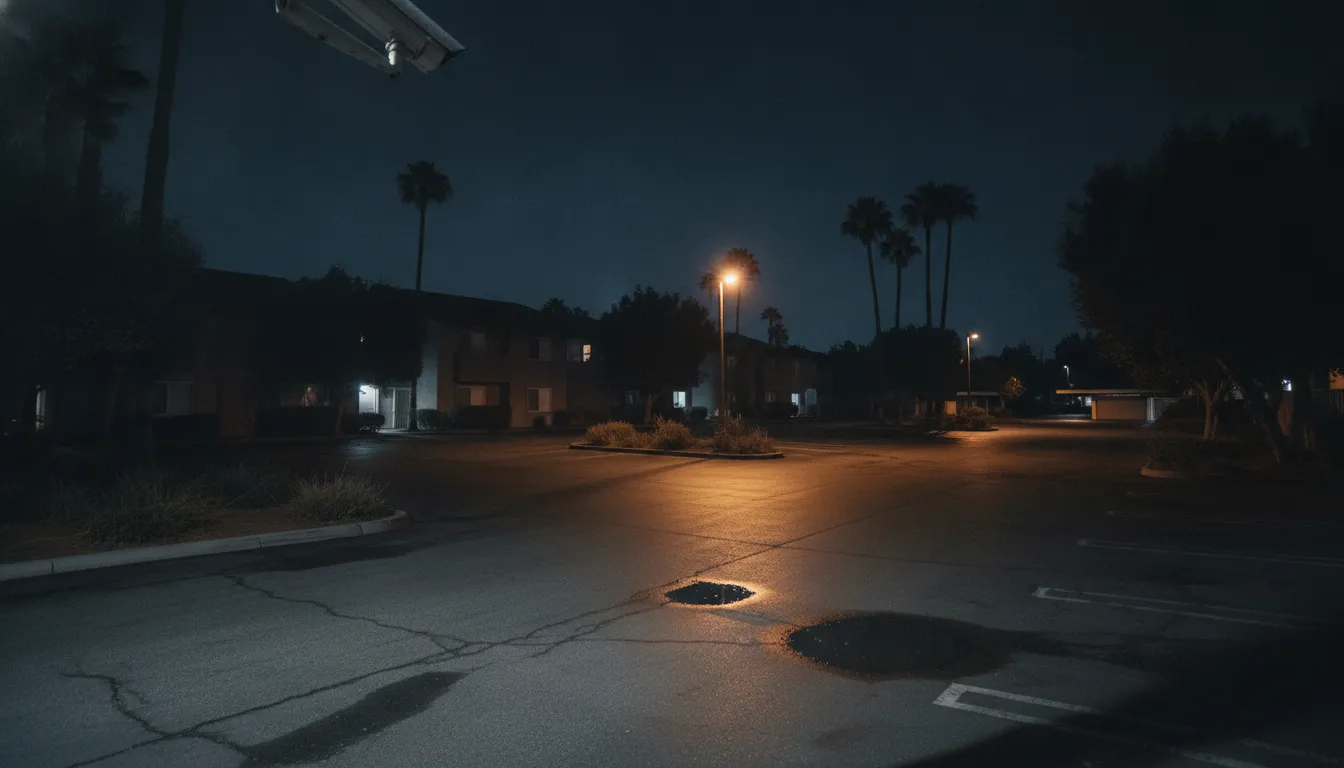
That does not mean every crime on private property creates automatic liability. A claim still requires careful review of what the owner or operator knew or reasonably should have known. Including what security measures were in place and whether those measures were adequate for the foreseeable risk. Possible issues may include broken gates, inadequate lighting, missing locks, absent security personnel, or a failure to address known hazards.
The facts also matter to any assessment of compensation. Injury severity, medical treatment, lost income, emotional harm, and the strength of the security-negligence evidence can all affect a claim. For a focused overview, see the elements of a negligent security lawsuit. A lawyer can help preserve evidence and evaluate the circumstances without promising a particular result.
What Actually Determines the Value of a Negligent Security Settlement
There is no single average value for a negligent security case. A settlement reflects the specific injuries, evidence, legal responsibility, and available insurance in that individual claim. Two people harmed in similar locations may face very different financial and personal consequences, so a number quoted without reviewing the facts can be misleading.
Injury severity and medical costs
The nature and lasting effects of an injury are central to evaluating damages. Broken bones, traumatic brain injuries, spinal injuries, permanent disability, and severe psychological trauma may require extensive treatment and affect a person’s ability to work or care for family. Medical bills, future treatment, lost income, reduced earning capacity, pain, emotional distress, and changes to daily life may all be relevant. Documentation from treating providers helps show both what has already happened and what care may be needed.
Foreseeability of the crime
Liability often depends on whether the criminal conduct was reasonably foreseeable and whether the property owner should have taken protective measures. That does not necessarily require proof of a prior identical incident at the same property. In Isaacs v. Huntington Memorial Hospital, the California Supreme Court recognized that foreseeability may be established through evidence beyond prior similar incidents on the exact premises. The surrounding area’s crime patterns, property conditions, prior warnings, and the nature of the business or housing may all matter. See the court’s discussion of foreseeability in Isaacs.
The security failures involved
A case may turn on whether the security provided was sufficient for the foreseeable risk. Investigators may examine lighting, locks, gates, cameras, access controls, security personnel, warning systems, or whether known hazards were addressed. The question is not simply whether an incident occurred, but whether reasonable precautions could have reduced the risk and whether the failure was connected to the harm. Saelzler v. Advanced Group 400 illustrates the importance of examining allegedly inadequate security in relation to the risk presented.
Insurance policy limits
Available coverage can affect how a claim is resolved, but policy limits do not determine the full value of an injury. The responsible parties, additional policies, disputed liability, and the strength of the damages evidence may also shape negotiations. For more context, review the factors in premises liability settlement amounts. A careful case evaluation is the only reliable way to assess what compensation may be available, without promising a particular outcome.
Common Scenarios and What These Cases Can Be Worth
Negligent security claims can arise in many settings. A person may be assaulted in a parking lot where lighting, gates, cameras, or patrols were inadequate. A tenant may be injured during an apartment break-in after repeated warnings about broken locks or uncontrolled access. Similar questions can arise after a crime at a hotel, bar, or other business that knew, or should have known, about a foreseeable security risk.
There is no reliable “average” settlement for these cases. The value depends on the severity of the injuries, the strength of the evidence that the crime was foreseeable. The extent of the property’s security failures, available insurance coverage, and the injured person’s losses. California courts recognize that foreseeability does not necessarily require a prior similar incident on the exact same premises. Isaacs v. Huntington Memorial Hospital discusses that issue, but every claim still turns on its own facts.
Economic vs. non-economic damages
Economic damages are losses that can usually be documented with records. They may include emergency treatment, hospital bills, rehabilitation, medication, future medical care, and wages lost while recovering. If an injury affects the ability to work, evidence about earning capacity may also matter.
Non-economic damages address the human impact of the event. They may include physical pain, emotional distress, fear, sleep disruption, scarring, disfigurement, and the loss of normal activities. Trauma after an assault can be significant even when the visible injuries initially appear limited. The severity of the injury and the degree to which the danger was foreseeable are among the factors that can drive case value. Saelzler v. Advanced Group 400 addresses the importance of adequate security in premises-liability cases.
As broad illustrations only, a claim involving short-term treatment and limited losses might fall in the tens of thousands of dollars. Serious fractures, surgery, lasting psychological harm, or extended time away from work may place a claim in a higher range, such as $50,000 to $250,000 or more. Permanent disability, profound trauma, or extensive future care can exceed that range. These figures are not a formula, prediction, or promise. Amounts vary widely, liability may be disputed, and insurance limits can restrict recovery. A careful evaluation should account for the actual medical evidence, the property’s notice of risk, and the full effect on the person’s life.
What to Do If You Were Injured by Inadequate Security
If you were assaulted, robbed, or otherwise injured because a property lacked reasonable security, your first priority is your health. Call 911 when you are in immediate danger, and seek medical care as soon as possible. Even injuries that seem minor can worsen, and medical records help document what happened and when.
Preserve the evidence that proves the failure
Unsafe conditions can change quickly after an incident. If you can do so safely, take photographs or video of the property, including poor lighting, broken locks, damaged gates, missing cameras, blocked entrances, or other security gaps. Photograph the surrounding area from several angles and note the date and time. Do not put yourself at additional risk to collect evidence.
Ask witnesses for their names and contact information. Save clothing, damaged personal property, surveillance-related messages, and any written communication with the property owner or manager. Do not alter, repair, or discard items connected to the incident before discussing them with an attorney.
Report the incident to law enforcement and request the report number. You should also notify the property owner, landlord, hotel, store, or management company in writing. Keep copies of every report, email, text message, and letter. Write down what you remember while the details are fresh, including where you were, what happened, what security was present, and how the injury affected your daily activities.
It is also wise to avoid posting about the incident or your injuries on social media. Insurance companies and property owners may review public posts and take statements out of context. Do not give a recorded statement or sign a release before you understand what rights you may be giving up.
An experienced premises liability attorney can investigate surveillance footage, maintenance records, prior complaints, incident reports, and insurance coverage. The sooner counsel is involved, the better the chance that important evidence can be identified and preserved. A consultation can also help you understand the contingency fee arrangement and whether legal representation is financially practical.
James McKiernan Lawyers offers free consultations and follows a No Fee Unless We Win model. That means you can discuss your situation without paying an upfront attorney fee. No lawyer can promise a particular result, but a careful review can clarify your options and the next steps.
Settlement vs. Trial: Which Path Is Right for You?
Most premises liability and negligent security claims resolve through settlement rather than a courtroom verdict. A settlement can provide compensation without the uncertainty, delay, and emotional strain of trial. However, accepting an offer is never automatic. If an insurance company refuses to pay fairly, filing a lawsuit and preparing for trial may be necessary to protect your rights.
The right path depends on the strength of the evidence, the seriousness of your injuries, available insurance coverage, and your personal needs. Your attorney should explain the risks and advantages of each option so you can make an informed decision, not pressure you toward a particular outcome.
| Consideration | Settlement | Trial |
|---|---|---|
| Time to resolution | Often resolves sooner than a trial, although negotiations can take time while medical treatment and evidence develop. | Usually takes longer because of discovery, motions, court scheduling, and the trial itself. |
| Financial risk | Provides a known result once accepted, but the amount may be less than what a jury could award. | Creates uncertainty. A jury may award more, less, or nothing, and litigation expenses can increase. |
| Control over outcome | You decide whether to accept the offer and have more control over the final terms. | The judge or jury makes the final decision after hearing the evidence. |
| Privacy | Negotiations are generally more private than testimony and filings in open court. | Court proceedings and many filings may become part of the public record. |
| Finality | A properly documented agreement can bring closure, but it typically ends the claim and future demands. | A verdict may be appealed, extending the process before the result is final. |
Advantages and limits of settling
Settlement can reduce stress, avoid cross-examination, and give you a defined recovery that can help address medical bills, lost income, and other losses. It may also allow you to move forward without reliving the incident in court. The tradeoff is that you give up the chance to seek a different result at trial. And an insurer may use delay or a low offer to test your willingness to continue.
When trial may be necessary
Trial may be appropriate when the insurer disputes responsibility, minimizes the harm you suffered, or will not offer fair compensation. A trial can allow witnesses, security records, expert testimony, and medical evidence to be presented in full. It also carries risks, and no attorney can guarantee what a judge or jury will decide.
James McKiernan Lawyers represents injured people under a No Fee Unless We Win model. That arrangement can make it possible to pursue a claim without paying attorney fees upfront. A consultation can help you understand your options, including how a potential settlement compares with continued litigation.
Talk to James McKiernan Lawyers today for a free consultation. Our team follows a No Fee Unless We Win model.
Frequently Asked Questions
What is the average settlement for a negligent security lawsuit?
There is no reliable average. A settlement may be influenced by the seriousness and permanence of the injuries, medical costs. Lost income, pain and suffering, the strength of the property owner’s responsibility, and available insurance coverage. A case involving minor injuries may resolve very differently from one involving permanent disability or wrongful death. Any range should be treated as a case-specific estimate, not a promise.
What factors influence the value of a negligent security settlement?
Key factors include the injury evidence, future treatment needs, lost wages, emotional harm. Whether the criminal act was reasonably foreseeable, and whether lighting, cameras, access controls, guards, or other reasonable measures were missing. California courts recognize that foreseeability may be shown without a prior similar incident on the exact property, including through conditions in the surrounding area. Isaacs v. Huntington Memorial Hospital.
Can I sue for negligent security if I was a victim of a crime on a property?
Possibly. A crime on the property does not automatically establish liability, but a claim may exist if the owner or operator owed you a duty. The criminal conduct was foreseeable, inadequate security contributed to the harm, and you suffered legally compensable injuries. California law recognizes potential liability for businesses and apartment owners that negligently fail to provide adequate security. Saelzler v. Advanced Group 400.
How long does a negligent security settlement take?
The timeline depends on injury recovery, evidence gathering, insurance negotiations, the number of responsible parties, and whether a lawsuit is necessary. It is usually difficult to value a claim accurately before doctors can assess the lasting effects of the injuries. An attorney can explain the likely sequence and help protect applicable deadlines while the claim develops.
Attorney Advertising. This article is for informational purposes only and does not constitute legal advice. Past results do not guarantee future outcomes. Every case is unique and must be evaluated on its own facts.
Ready to Discuss Your Negligent Security Case?
Understanding potential settlement value starts with reviewing what happened, the harm you suffered, and whether inadequate security contributed to the incident. James McKiernan Lawyers has been fighting for California injury victims for over 40 years. Our firm has recovered more than $350 million for clients and is backed by more than 500 five-star reviews. A confidential consultation can help you understand your options without promising a particular result. To speak with the team, call 800-200-HURT for a free consultation. You can also reach us at our toll-free line, 800-200-HURT.