Top Causes of Truck Crashes and What to Do
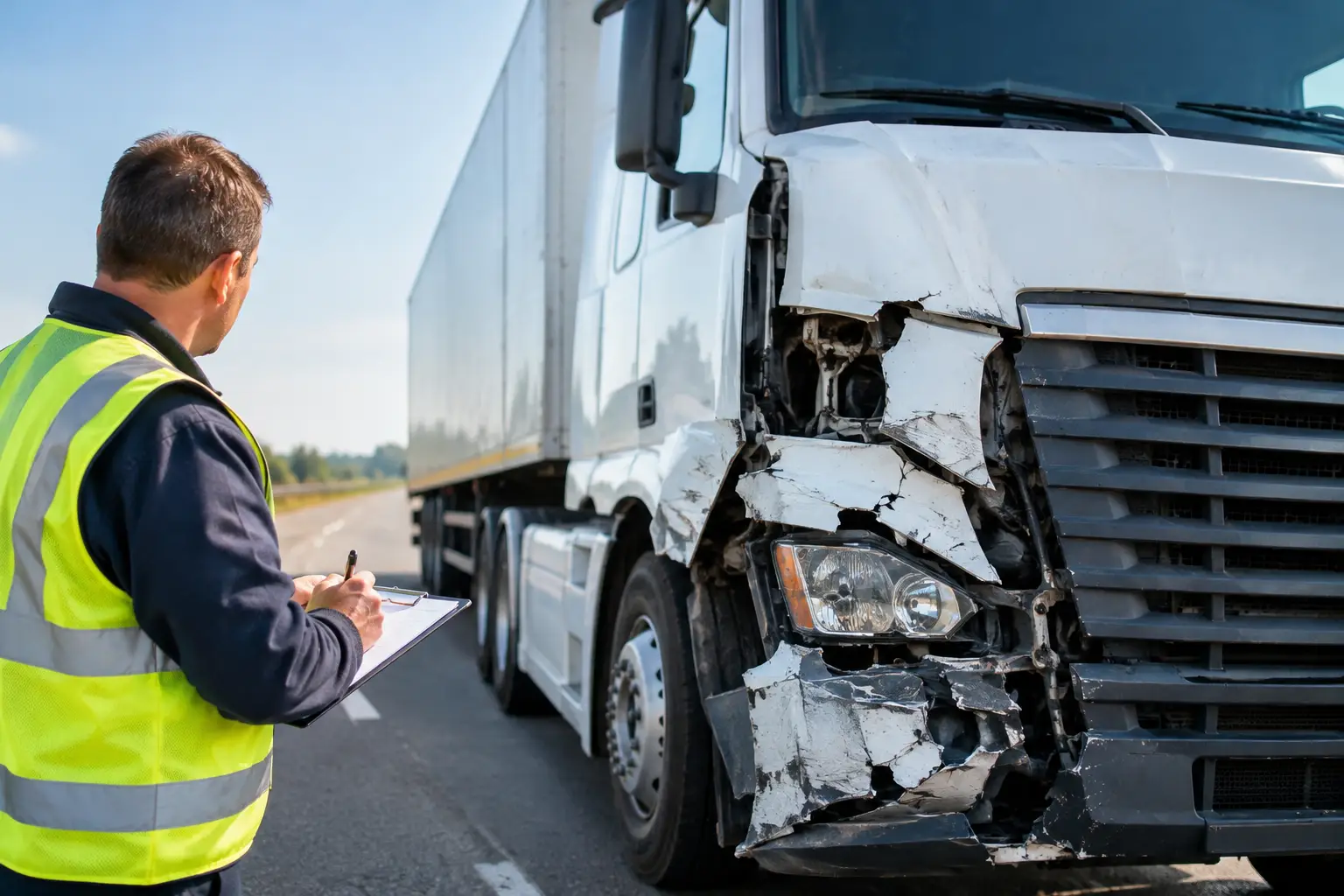
A fully loaded commercial truck can weigh many times more than a passenger vehicle. When a truck driver, trucking company, or another party makes a preventable mistake, the results can be catastrophic in seconds. Understanding the top causes of truck crashes can help injured Californians recognize what may have gone wrong and why a prompt investigation matters.
Truck crash cases are rarely as simple as one driver blaming another. Federal and state safety rules, maintenance records, electronic data, dispatch communications, cargo documents, and roadway conditions can all reveal the real story. The evidence is often in the hands of the trucking company, and some of it can disappear quickly.
The Top Causes of Truck Crashes
Driver fatigue and hours-of-service violations
Long-haul truck drivers face demanding schedules, tight delivery windows, and pressure to keep moving. Federal rules limit driving hours and require rest periods, but violations still occur. A fatigued driver may drift across lanes, miss a slowing vehicle, fail to notice a hazard, or react far too late to avoid impact.
Fatigue is not always obvious at the crash scene. It may be uncovered through electronic logging devices, dispatch records, fuel receipts, GPS data, cellphone records, and driver schedules. A driver can also be technically within permitted hours yet still dangerously tired because of poor sleep, illness, medication, or a schedule that disrupts normal rest.
Distracted driving
A commercial driver has a longer stopping distance, larger blind spots, and less room to correct an error than the driver of a passenger car. Looking at a phone, adjusting a navigation device, eating, reaching for an item, or reviewing dispatch messages can take attention away from the road at exactly the wrong moment.
Distraction can cause rear-end crashes, unsafe lane changes, and failures to yield. It may also explain why a truck did not brake before a collision. Vehicle data, onboard cameras, phone records, and witness statements may help establish whether the driver was paying attention.
Speeding and driving too fast for conditions
Speed limits are not always safe operating speeds for a tractor-trailer. Heavy trucks need substantial distance to stop, especially on wet pavement, downhill grades, curves, or congested highways. A driver traveling too fast for traffic or weather can lose control, jackknife, roll over, or strike vehicles ahead.
Speed is a particular concern on Central Coast roads where fog, coastal moisture, sharp curves, construction zones, and changing elevations can make conditions unpredictable. Even a small amount of excess speed can turn a close call into a devastating collision.
Impaired driving
Alcohol, illegal drugs, prescription medication, and some over-the-counter products can impair judgment, coordination, alertness, and reaction time. Truck drivers are held to strict safety standards because of the danger posed by commercial vehicles, but impairment remains a serious cause of crashes.
A driver may be impaired by substances, but fatigue itself can produce similar warning signs: delayed reactions, poor lane control, and bad decisions. Evidence from post-crash testing, witness reports, driving behavior, and company records can be critical when impairment is suspected.
Unsafe lane changes and blind spots
Large trucks have significant blind spots along both sides, directly behind the trailer, and in front of the cab. These blind spots do not excuse an unsafe lane change. Drivers must check mirrors, use signals, account for nearby vehicles, and make sure a lane is clear before moving over.
Sideswipe crashes can force a smaller vehicle into another lane, a median, or off the roadway. In some cases, a truck makes contact and continues driving because the driver did not realize a vehicle was there. Dash camera footage and nearby witnesses can be especially valuable in these situations.
Improper loading and unsecured cargo
Cargo must be loaded, balanced, and secured correctly. A load that shifts during a turn or sudden stop can destabilize a trailer and cause a rollover or jackknife. Overloaded trucks may be harder to stop and more difficult to control. Loose cargo can also fall into traffic, creating a hazard for everyone behind the truck.
Responsibility may extend beyond the driver. A shipping company, loading crew, cargo broker, or another business may have contributed if it loaded the trailer improperly or failed to follow safety procedures. That is one reason truck crash claims require a careful investigation rather than assumptions made at the scene.
Poor maintenance and mechanical failures
Trucking companies have a duty to inspect and maintain vehicles. Brake problems, worn tires, defective lights, steering failures, and neglected coupling equipment can all cause or worsen a crash. A tire blowout at highway speed or brake failure on a downhill grade leaves very little time for a driver to regain control.
Mechanical failure does not automatically clear the driver or trucking company. The key questions are whether the problem was foreseeable, whether required inspections occurred, and whether prior reports showed a pattern of neglect. Maintenance logs, inspection reports, repair invoices, and the truck’s onboard data may provide answers.
Inadequate training or negligent hiring
Operating a commercial truck safely requires more than a license. Drivers need training in braking distance, wide turns, blind spots, cargo handling, hazardous weather, emergency maneuvers, and safe interactions with passenger vehicles. A company that hires an unqualified driver, ignores prior safety concerns, or fails to provide proper training may share responsibility for a crash.
The same is true when a company creates unreasonable delivery expectations. If dispatchers pressure drivers to meet schedules that encourage speeding, skipped rest breaks, or unsafe decisions, the company should not be allowed to shift all blame to the person behind the wheel.
Why Truck Crash Fault Can Involve More Than One Party
After a crash, the trucking company and its insurer may move fast. Their goal is often to protect the company, control the narrative, and limit what they pay. They may send investigators to the scene, inspect the vehicles, and contact witnesses before an injured person has had time to understand the extent of their injuries.
Depending on the facts, liable parties may include the truck driver, trucking company, trailer owner, maintenance contractor, cargo loader, manufacturer of a defective part, or another motorist. California law allows injured people to pursue compensation from parties whose negligence caused their losses. Identifying all responsible parties matters because serious truck crashes often involve extensive medical care, missed work, lasting pain, and major changes to family life.
A strong case is built on evidence, not speculation. An attorney may seek to preserve the truck’s electronic control module data, driver logs, camera footage, inspection records, employment files, dispatch messages, drug and alcohol testing records, and records of the company’s safety history. Waiting too long can make that work harder.
What to Do After a Truck Crash
Your first priority is medical care. Some serious injuries, including brain injuries, internal injuries, and spinal damage, are not immediately clear at the roadside. Follow medical guidance, attend appointments, and do not minimize symptoms simply because adrenaline carried you through the first hours.
If you can do so safely, take photos of vehicle positions, damage, skid marks, debris, road conditions, license plates, company names, and visible injuries. Get contact information for witnesses and request the traffic collision report when it becomes available. Keep bills, discharge paperwork, prescriptions, repair estimates, and records of missed work.
Be careful with insurance adjusters. You may need to report the collision, but you are not required to give a recorded statement or accept an early settlement before you understand your injuries and legal options. A quick offer may not account for future treatment, lost earning capacity, or the full impact of a permanent injury.
Get Help Before Key Evidence Is Gone
A truck crash can leave a family facing medical bills, a damaged vehicle, missed paychecks, and an insurer that wants answers immediately. You do not have to sort through that pressure alone. James McKiernan Lawyers has represented California injury victims for more than 50 years and can act quickly to investigate the collision, protect evidence, and deal with the insurance companies.
Free consultations are available 24/7, and there is no attorney fee unless compensation is recovered. The most helpful next step is often the simplest one: get medical care, protect your records, and speak with an experienced truck accident attorney before the other side decides what evidence to keep.