Rideshare Liability After an Uber or Lyft Crash
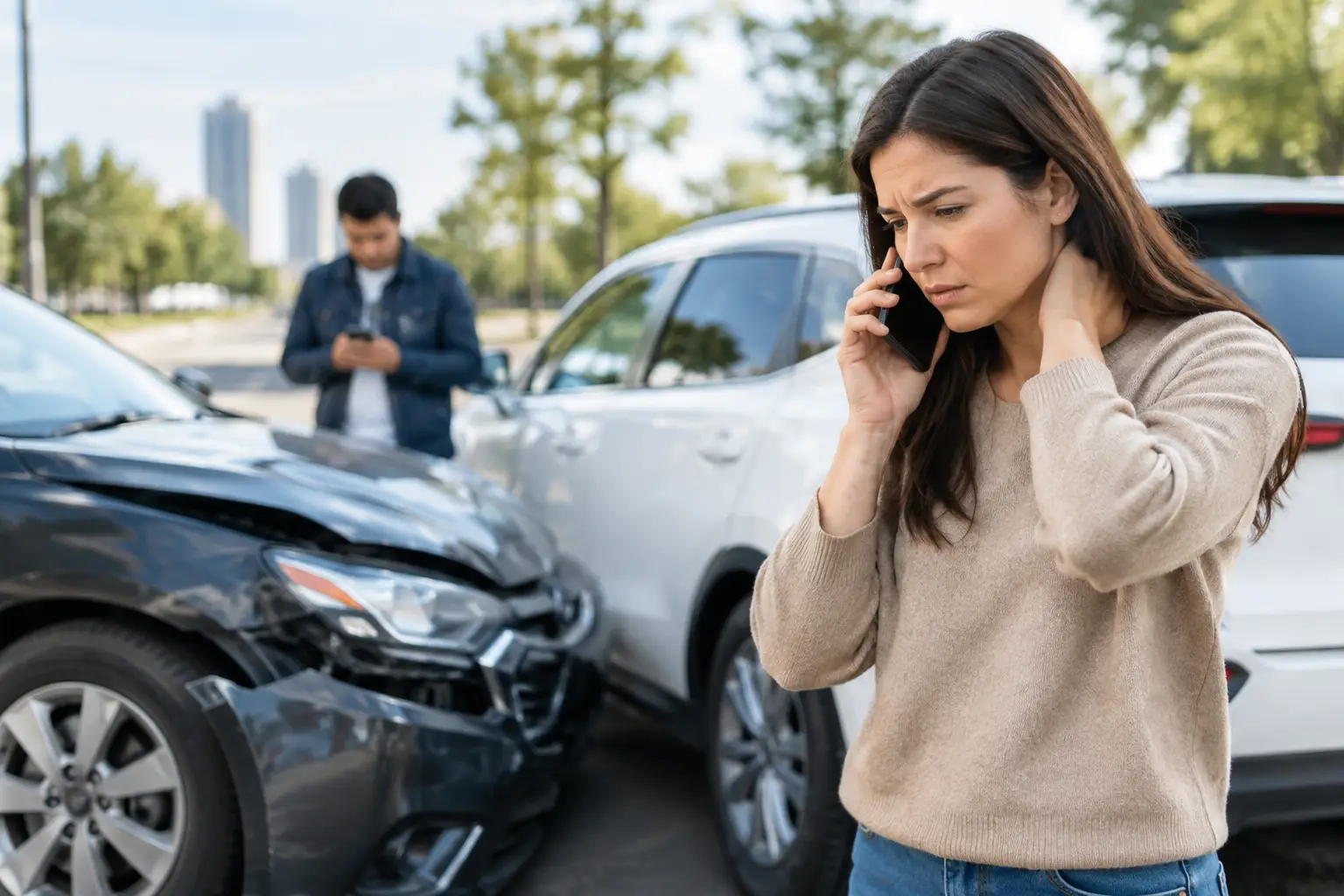
A rideshare crash can leave you facing a confusing question at the worst possible time: who is responsible for paying? Rideshare liability is rarely as simple as exchanging insurance information after a typical car accident. Whether the Uber or Lyft driver was waiting for a request, heading to pick up a rider, or actively transporting one can change the insurance coverage available.
If you were hurt as a passenger, another motorist, a pedestrian, bicyclist, or the rideshare driver, do not let uncertainty keep you from getting help. The facts, digital records, and timing of the crash can matter from the first day.
How Rideshare Liability Works in California
Liability means legal responsibility for the harm caused by a crash. In many cases, the person or company responsible for an accident must compensate injured people for medical expenses, lost income, pain and suffering, property damage, and other losses.
Rideshare cases add another layer because the driver is usually considered an independent contractor rather than a direct employee of Uber or Lyft. That does not mean the rideshare company is automatically off the hook. California requires transportation network companies to maintain insurance that may apply when a driver is using the app. The available coverage depends heavily on the driver’s status at the moment of impact.
When the app is off
If the driver was not logged into the rideshare app, the driver’s personal auto insurance is generally the first source of coverage. The fact that someone drives for Uber or Lyft does not by itself make the company responsible for a crash that occurred during a purely personal trip.
A personal policy may have limits that are far too low for a serious injury. Some policies also contain restrictions involving commercial driving, which can lead to disputes over coverage. That is one reason a prompt investigation matters.
When the driver is logged in and waiting
When a driver is available in the app but has not accepted a ride, California law requires a level of liability coverage beyond the driver’s personal policy. This period can involve at least $50,000 for injury or death to one person, $100,000 per incident, and $30,000 for property damage, with additional coverage requirements that may apply.
Coverage disputes are common in this stage. Insurers may argue about whether the app was truly on, whether a ride was available, or which policy should pay first. App data can answer questions that witness memories cannot.
When a ride has been accepted or a passenger is in the vehicle
Once a driver accepts a trip and while the passenger is being transported, Uber and Lyft generally provide up to $1 million in third-party liability coverage. California also requires substantial uninsured and underinsured motorist coverage during this period. These policies can be critical when the at-fault driver has no insurance or carries minimal limits.
A $1 million policy limit does not mean every injured person receives $1 million. Compensation depends on fault, available evidence, the extent of the injuries, other applicable coverage, and the damages that can be proven. Still, identifying the correct coverage tier may make an enormous difference in a serious case.
Who May Be Responsible for a Rideshare Crash?
The rideshare driver is often responsible when careless driving caused the collision. Common examples include speeding, following too closely, running a red light, making an unsafe turn, driving while distracted by the app, or looking at a phone instead of the road.
But the rideshare driver may not be the only responsible party. Another motorist may have caused the crash. A vehicle manufacturer, repair shop, or government entity responsible for an unsafe road condition could also be involved in limited circumstances. A careful investigation should follow the evidence instead of accepting the first insurer’s version of events.
California follows a pure comparative negligence rule. This means an injured person can still pursue compensation even if they were partly at fault, although their recovery may be reduced by their share of responsibility. Insurance companies use this rule aggressively. They may claim a passenger failed to wear a seat belt, a pedestrian crossed improperly, or another driver had time to avoid the collision. Those claims should be examined, not simply accepted.
Evidence That Can Strengthen a Rideshare Claim
The rideshare app creates evidence that is often unavailable in ordinary accident cases. Trip records may show when the driver logged in, accepted a ride, arrived for pickup, started the trip, and ended it. Location data can help establish the vehicle’s route and movement. The company may also possess communications, account information, and driver records relevant to the claim.
That information can be difficult for an injured person to obtain alone. The company and its insurance carrier control much of it, and records may not be preserved forever. An attorney can send preservation requests, investigate the collision, obtain the police report, locate witnesses, and pursue available video before it disappears.
Your own records matter too. After getting medical care, preserve four things whenever possible:
- Screenshots of your Uber or Lyft trip receipt, driver information, route, and any in-app messages.
- Photos of the vehicles, crash scene, visible injuries, road conditions, and traffic signals.
- Names and contact details for witnesses, along with the police report number.
- Medical records, bills, work-loss information, and notes about how injuries affect daily life.
Do not worry if you could not gather everything at the scene. Your health comes first. A strong case can still be built, but early action gives your legal team more opportunity to protect the evidence.
Common Insurance Tactics After an Uber or Lyft Accident
Insurance adjusters may sound helpful while working to limit what they pay. They may ask for a recorded statement before you understand your injuries, push for a fast settlement, or request broad access to your medical history. A quick offer can be especially tempting when bills are arriving and you cannot work.
The problem is that serious injuries do not always reveal their full impact immediately. A concussion, neck injury, back injury, or joint damage may require ongoing treatment and can interfere with work long after the damaged vehicle is repaired. Accepting a settlement generally means giving up the right to seek additional money later, even if your condition worsens.
You are not required to decide the value of your claim in the first days after a crash. You can report the collision and provide basic facts without guessing about fault, minimizing pain, or agreeing to a settlement. Before signing a release or giving a recorded statement to an insurer, consider speaking with an experienced California injury attorney.
What to Do if You Were Hurt in a Rideshare Collision
Seek prompt medical attention, even if you believe the injury is minor. Adrenaline can mask pain, and a medical evaluation creates a record connecting your symptoms to the crash. Report the collision through the rideshare app and request a copy of the police report when one is made.
Then, avoid posting about the accident or your injuries on social media. Insurers can take an innocent photo or comment out of context. Keep communications with adjusters brief, and do not sign documents you do not understand.
A rideshare accident claim may involve the driver’s insurer, the rideshare company’s insurer, another driver’s insurer, and your own uninsured or underinsured motorist policy. Sorting out those layers should not become your full-time job while you are trying to heal.
Get Answers Before Evidence Disappears
For more than 50 years, James McKiernan Lawyers has helped California injury victims take on insurance companies after serious accidents. Our team has handled more than 35,000 cases and recovered more than $350 million for clients. We represent injured people and families, not insurance companies or corporate defendants.
If a rideshare crash disrupted your life, you can get a free consultation 24/7. There is no attorney fee unless compensation is recovered. The right next step is often simple: get clear answers, preserve the evidence, and let an experienced advocate deal with the insurers while you focus on healing.