Can a Passenger Sue After a Car Accident in California?
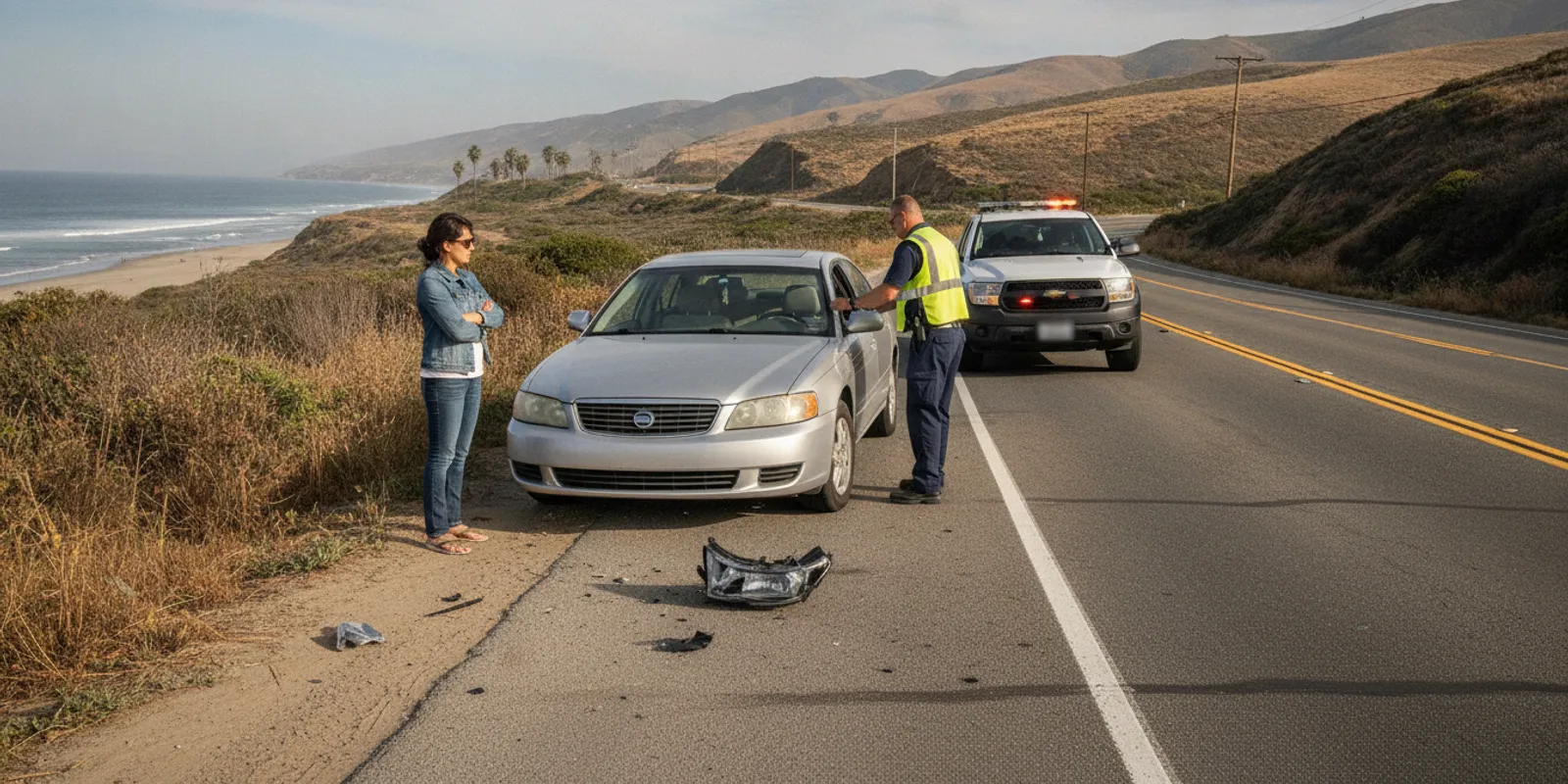
A passenger hurt in a California crash may have a claim against one or more at-fault drivers, even if the driver of the car they rode in caused the collision. Whether a passenger can sue after a car accident in California depends on what happened, who was negligent, and what insurance coverage applies. Here are practical steps to understand the options.
Contact us to discuss your situation
Can a passenger sue after a car accident in California?
Yes. A passenger may seek compensation when another person’s negligence caused the crash and resulting harm. Potentially responsible people include the driver of the vehicle the passenger occupied, a driver in another vehicle, or more than one driver. A passenger’s claim is not automatically barred because they accepted a ride or did not control the vehicle.
Negligence generally means failing to use reasonable care in the circumstances. A driver might cause a collision by speeding, failing to yield, or driving while impaired. The specific facts matter. A crash report can help explain what happened, but it does not by itself resolve every question of legal responsibility.
California follows comparative fault principles. When a claimant is partly responsible for an injury, a factfinder may assign a percentage of fault and reduce damages accordingly. A passenger often does not control the driving, but the circumstances should still be reviewed rather than assumed.
How can different crash scenarios affect a passenger’s claim?
The same basic question can lead to different investigations depending on the collision. Consider a passenger riding in a car that is struck at an intersection. One driver may have failed to yield, but signal timing, sight lines, speed, and statements from each driver may all matter. The passenger should describe what they personally saw and heard without trying to decide the legal issue at the scene.
In a rear-end collision, the damage pattern and where each vehicle was positioned may help explain the sequence. Yet a rear impact alone does not answer every question about fault. A chain reaction can involve several vehicles, and an earlier impact may have pushed a car into the one ahead. Identifying the order of impacts can help distinguish which conduct contributed to the passenger’s injuries.
A passenger in a single-vehicle crash may still have questions about the driver’s conduct, road conditions, or another contributing factor. The absence of a second car does not automatically mean there is no potential claim. At the same time, a roadway hazard or mechanical issue should not be assumed to establish another party’s liability without evidence. Photographs, witness accounts, and inspection records may clarify what happened.
These examples illustrate why passengers should preserve facts rather than reach a quick conclusion. Note whether the account comes from personal observation, a conversation, or a document. When different accounts conflict, keep each version and its source. A later review can then compare the accounts with physical evidence and available records.
Who may be responsible for a passenger’s injuries?
More than one person may contribute to a crash. A careful investigation can identify potential sources of liability and the insurance policies that may apply.
- The driver of the passenger’s vehicle: A driver who caused the collision through careless driving may be responsible, even if the passenger is a friend, relative, or coworker.
- Another motorist: A driver in a different vehicle may be at fault for an unsafe turn, following too closely, or ignoring a traffic signal.
- Multiple drivers: If several drivers contributed to the crash, responsibility may be divided among them.
- Other parties in limited circumstances: Depending on evidence, a vehicle owner or another party may warrant investigation. Liability is fact-specific and should not be presumed.
A passenger can generally make a claim against a driver whose negligence caused the injury. If the passenger knows the driver personally, the decision can feel difficult. A claim is typically handled through applicable insurance, but policy limits and coverage disputes can affect what is available. Personal relationships do not determine the legal analysis, and making a claim does not guarantee payment.
How does insurance work for an injured passenger?
Potential coverage depends on the vehicles, drivers, policies, and facts of the crash. A passenger may need to consider coverage under the driver’s policy, another at-fault driver’s policy, or other available insurance. The exact order and availability cannot be determined without reviewing the policies and circumstances.
| Possible coverage source | When it may matter | What to check |
|---|---|---|
| At-fault driver’s liability coverage | A driver’s negligence caused or contributed to the crash. | Policy limits, insurer, and any coverage dispute. |
| Another involved driver’s policy | A different motorist may share responsibility. | Evidence of that driver’s actions and available coverage. |
| Uninsured or underinsured motorist coverage | An at-fault driver lacks insurance or sufficient coverage, if applicable coverage exists. | Policy language, insured status, and claim requirements. |
| Medical payments coverage | A policy may provide limited medical expense coverage regardless of fault. | Whether coverage applies, limits, and submission procedures. |
Do not assume that only one policy could apply or that a policy will cover every loss. Keep copies of insurance information and communications. Before giving a recorded statement or signing a release, understand what is requested and what rights the document may affect. Ask which policy the insurer is handling and whether it is seeking a statement about the crash, your injuries, or both.
It can help to keep a simple claim log. Record the date of each call, the person you spoke with, the claim number, and any requested documents. Save copies of what you send. If an adjuster asks for broad medical records or a release, ask what period and purpose it covers before agreeing. A passenger may have a separate claim from the driver, even when both claims arise from the same collision.
What if the driver who caused the crash was impaired?
If impairment contributed to the collision, the injured passenger may still have a claim against the responsible driver. The circumstances may also raise questions about how alcohol or another substance was provided. California law limits when a licensed alcohol provider can be held civilly responsible for injuries caused by an intoxicated person. It is not enough simply to show that alcohol was served.
The California Legislature’s bill analysis discusses the state’s dram shop rules and restrictions on liability for alcohol providers. See the California Assembly Bill 2121 analysis. The analysis is a starting point, not a substitute for applying current law to the facts. Claims involving alcohol service can turn on specific statutory requirements and evidence.
In a suspected impaired-driving crash, preserve available information about the incident and identify witnesses. Do not assume that a bar, host, or other alcohol provider is automatically liable. A lawyer can assess whether evidence supports a claim against any additional party.
What should a passenger do after a California crash?
- Get to a safe place and seek appropriate care. Report urgent danger and obtain medical attention when needed. Keep records of visits and recommendations.
- Report the collision. Provide accurate information to responding authorities. Avoid guessing about speed, distance, or fault if you do not know.
- Record what you can. If safe, note the location, time, vehicles, driver and witness contact details, and visible conditions. Photographs may help preserve the scene.
- Save documents and communications. Keep crash report information, medical records, receipts, insurance details, and messages from insurers.
- Be careful with early settlement requests. A quick offer or release may affect the ability to seek additional compensation. Review documents before signing.
- Get legal guidance when questions remain. This may be useful when fault is disputed, several policies are involved, or injuries have lasting effects.
For more information about the firm’s auto accident representation and broader personal injury services, review the linked pages. They explain practice areas; an individual claim still depends on its facts.
How can a passenger organize losses and records?
Keep track of losses as they occur, rather than relying on memory months later. Save receipts related to transportation, medication, or other out-of-pocket expenses tied to the crash. If an injury affects work, note the dates missed and retain relevant wage or schedule records. These documents do not decide whether a loss is recoverable, but they help explain what happened and when.
Medical records should be collected and handled thoughtfully. Keep appointment summaries and instructions, and note questions you want to raise with a treating professional. This article cannot diagnose an injury or recommend treatment. Follow advice from qualified providers, and do not delay needed care because an insurance claim is pending.
Use a consistent naming system for digital files, such as the date followed by a short description. Keep original photographs and videos, and make a separate backup. Avoid adding captions that state an uncertain cause as fact. If a picture shows vehicle damage, record where and when it was taken, and identify who took it if that is known.
Some evidence may not be in the passenger’s possession. A witness may have a recording, or a business may have relevant video that is not kept indefinitely. Write down what may exist, who might have it, and when you learned about it. Do not trespass, confront anyone, or try to obtain restricted records yourself. A lawyer can assess appropriate preservation steps where warranted.
What evidence can help explain a passenger claim?
Evidence can help establish how the crash happened, who was involved, and what injuries followed. Useful materials may include:
- Police or incident report details and photographs of the vehicles or scene.
- Names and contact information for drivers and witnesses.
- Medical records and bills documenting evaluation and treatment.
- Insurance policy information and claim correspondence.
- Photographs, video, or other records that captured the roadway or collision.
- Records showing missed work or other financial losses, where relevant.
Keep originals when possible and make a simple timeline while events are fresh. Do not edit or discard relevant messages or photographs. Evidence may be held by other people or organizations, so note what exists and who may have it. Write down your recollection separately from what other people told you. That distinction can help avoid unintentionally treating an assumption as something you personally observed.
Passengers should also note where they were seated and what they remember immediately before and after impact. If you were unable to see the road or did not witness the other vehicle’s actions, say so rather than filling gaps in memory. Preserve photographs in their original form when possible. If a witness offers to share a video, save the original file and note when and how you received it.
What happens after an insurance claim is opened?
Once an insurer receives notice, it may ask for basic information about the collision, the vehicles, and the claimed injuries. Keep answers factual. If you do not remember a detail, say that rather than estimating. Ask whether a question is about what you personally observed or about something another person reported. Clear distinctions can prevent misunderstandings in a claim file.
Organize documents in a way that makes them easy to find. A simple folder can hold the claim number, adjuster’s contact details, crash report information, photographs, bills, and correspondence. A separate timeline can list appointments, missed work, calls, and important requests. Record when each item was created or received, and keep a copy of anything submitted.
Insurers may request forms or authorizations. Read each document before signing and ask what information it covers, how it will be used, and whether it applies only to a particular claim. A request for a statement or medical material does not mean you must guess or provide documents you do not understand. You can seek guidance if the scope or effect is unclear.
Settlement discussions may occur before every issue is resolved. Before accepting an offer, consider whether the document would release claims, which losses it addresses, and whether other potentially responsible drivers or policies remain under review. A signed release may have lasting consequences. Do not treat an early offer as a complete valuation of the claim without understanding its terms and the evidence available.
How long does a passenger have to bring a claim?
California deadlines can depend on the type of claim and the parties involved. A claim against a public entity may have a much shorter preliminary claim deadline than an ordinary personal injury lawsuit. Other rules can also affect when a deadline begins or whether an exception applies. Do not rely on a general article to calculate a filing date; confirm the deadline promptly with a qualified attorney.
Even when a deadline seems distant, waiting can make it harder to locate witnesses, preserve records, and document the connection between the crash and an injury. Keep track of dates and seek advice early if facts or responsible parties are unclear. A passenger should not assume that an insurer’s ongoing review pauses any legal deadline.
California dram shop liability laws drunk driving accidents: what passengers should know
The phrase “California dram shop liability laws drunk driving accidents” points to a narrower issue than the driver’s responsibility: whether an alcohol provider may also face a civil claim. The answer is not automatic. California’s rules impose limits, and a potential claim depends on the facts and statutory conditions.
A passenger should separate two questions. First, did a driver’s negligence cause the collision and injury? Second, is there evidence that another party may be liable under a specific legal rule? An affirmative answer to the first does not guarantee an affirmative answer to the second. A claim should be evaluated on evidence, not assumptions about who served a drink.
How does California dram shop liability laws drunk driving accidents relate to a passenger claim?
California dram shop liability laws drunk driving accidents are relevant only to the narrower question of potential alcohol-provider liability; they do not replace the ordinary analysis of the driver’s conduct, causation, injury, and insurance. For a passenger, it is useful to keep these paths distinct. The driver’s possible responsibility concerns the collision, while a separate inquiry asks whether the evidence and applicable statute permit a claim against someone who provided alcohol.
Preserve what you know about where the driver had been, who was present, and any statements made after the crash. Avoid contacting witnesses in a way that pressures them or suggests what they should say. Write down names and the source of each detail, and let an attorney determine whether more investigation is warranted. A provider’s potential liability cannot be inferred solely from the fact that a driver was impaired.
Frequently asked questions about passenger car accident claims
Can I sue the driver of the car I was riding in?
Potentially, yes, if that driver’s negligence caused or contributed to your injuries. Insurance coverage and the facts of the crash matter. A personal relationship with the driver does not, by itself, answer whether a claim may be made.
Can I bring a claim against two drivers?
Possibly. If the conduct of more than one driver contributed to the crash, each may be investigated. Allocation of fault and available insurance require a fact-specific review.
What if I was not wearing a seat belt?
That fact may raise a separate issue about the injuries and applicable law. It does not automatically establish who caused the collision. Discuss the circumstances with a lawyer rather than assuming the effect on a claim.
Can I use my own insurance?
Some personal policies may provide coverage relevant to an injured passenger, depending on the policy and circumstances. Review the actual terms and notify the appropriate insurer when required.
Request a discussion about your claim
Talk with a lawyer about your options
Passenger claims can involve several drivers, insurers, and legal questions. James McKiernan Lawyers represents people injured in accidents, and its attorneys can review the circumstances and explain possible next steps. Learn more about the firm’s background and approach, explore its practice areas, or use the office directory to see locations. For a Central Coast crash, local familiarity may help a legal team understand where the collision occurred and which records or witnesses could clarify the events.
Discuss your situation with our team
A prompt review can help clarify potential responsible parties, applicable coverage, and the next steps for preserving a passenger’s claim.