Best Ways to Preserve Evidence After an Accident
A crash can leave you shaken, hurt, and focused on getting home or getting medical care. But the hours after an accident are often when the proof you need is easiest to lose. Knowing the best ways to preserve evidence can protect your ability to show what happened, who was responsible, and how the injury has changed your life.
Evidence does not stay available forever. Vehicles are repaired, debris is cleared, surveillance footage is recorded over, and witnesses forget details. You do not need to investigate your own case perfectly while you are injured. You do need to take sensible steps, avoid altering important information, and get help quickly when the situation calls for it.
Best Ways to Preserve Evidence at the Scene
Your safety comes first. Move out of traffic if you can do so safely, call 911 when there are injuries or a serious collision, and accept emergency medical care if you need it. Do not remain at the scene collecting photographs if doing so puts you in danger.
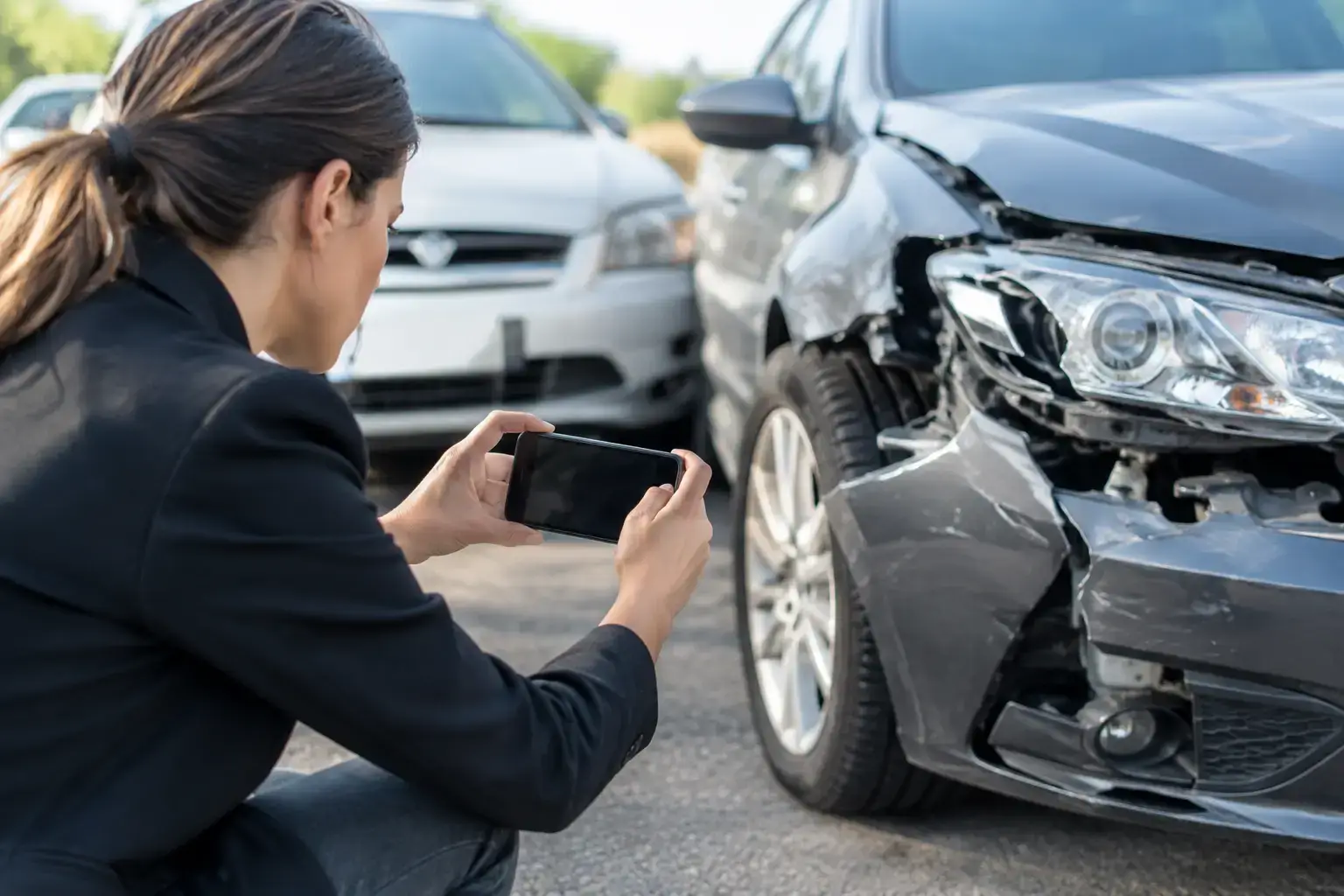
Once you are safe, use your phone to document the scene. Take wide photographs showing the overall location, road layout, traffic lights, signs, weather, and lighting. Then take closer photographs of every vehicle, visible damage, license plates, skid marks, debris, broken glass, and any injuries that can be photographed appropriately.
Video can be especially useful because it captures context that a single photograph may miss. A slow walk-around video of the vehicles and surrounding area may show traffic patterns, obstructions, lane markings, or road conditions. Narrate only factual observations if you speak at all. Avoid guessing about speed, fault, or what another driver was doing.
If the accident involves a fall, dangerous property condition, dog attack, bicycle collision, or pedestrian injury, photograph the condition that caused the incident before it is repaired or removed. That may include a spill, broken handrail, uneven pavement, poor lighting, loose flooring, missing warning signs, or an unsecured animal area.
Get information, not arguments
Exchange insurance and contact information with the other driver when applicable. Ask witnesses for their names, phone numbers, and email addresses. A witness who saw the collision may leave within minutes, and their account could later become very valuable.
Be polite, but do not argue or apologize. Statements such as “I’m sorry” can be misunderstood, even when you are simply expressing concern. Stick to basic facts when speaking with police, first responders, or the other people involved.
Protect Photos, Videos, and Digital Evidence
Do not assume the pictures on your phone are permanently safe. Back them up as soon as possible to a secure cloud account, computer, or another trusted storage location. Keep the original files whenever you can. Original photos and videos can contain date, time, and location information that may help establish when and where they were created.
Do not edit images, add filters, crop out key details, or write over screenshots. If you want to mark up an image to explain something, make a separate copy and preserve the unedited original. The same rule applies to dashcam footage. Save the entire relevant recording, including the minutes before and after the impact, rather than only a short clip.
Text messages, call logs, navigation history, and rideshare trip records can also matter. Save screenshots, but preserve the original messages and account information too. If another driver admits something in a text or message, do not delete the conversation, respond emotionally, or alter the thread.
Social media requires caution. Insurance companies may review public posts for material they can use to challenge the seriousness of an injury. Avoid posting about the accident, discussing fault, sharing photos of the scene, or accepting new follower requests from people you do not know. Do not delete existing posts related to the incident without legal guidance. Deleting evidence after a claim begins can create unnecessary problems.
Seek Medical Care and Keep a Clear Record
Medical records are evidence of both your injuries and the care you needed. Get examined promptly after an accident, even if adrenaline initially masks pain. Some injuries, including concussions, neck injuries, internal injuries, and soft-tissue damage, may not feel severe at the scene.
Tell your medical provider accurately how the injury happened and describe every symptom, including headaches, dizziness, sleep disruption, numbness, pain, anxiety, or limits on movement. Follow recommended treatment when possible. If a treatment plan is difficult to follow because of cost, transportation, work demands, or another genuine obstacle, document the issue rather than simply missing appointments.
Keep a folder for discharge papers, prescriptions, receipts, medical bills, appointment notices, and mileage to and from treatment. You should also keep copies of work absence notices, pay records showing missed income, and repair estimates or towing invoices.
A simple injury journal can fill in details that medical charts may not capture. Every few days, write down your pain levels, activities you cannot do, sleep problems, medications, missed events, and the help you need at home. Be honest and specific. A credible record is more useful than a dramatic one.
Preserve Physical Evidence Before It Disappears
Do not repair, sell, dispose of, or alter a damaged vehicle before it has been properly documented. The crush pattern, deployed airbags, broken components, and other vehicle damage may help explain how a collision occurred. This can be particularly significant after a truck, motorcycle, bicycle, or high-speed crash.
Keep damaged personal items when practical. Torn clothing, a cracked helmet, broken eyeglasses, a damaged child safety seat, or a defective product may be relevant. Place items in a safe location and take photographs before handling or cleaning them. Do not try to repair the item yourself.
There are exceptions. If a vehicle must be repaired quickly because you need transportation, photograph it thoroughly first and retain all estimates, invoices, and repair records. An experienced injury lawyer can advise whether an inspection should happen before repairs begin.
Act Quickly to Preserve Video and Official Records
Many businesses, homes, buses, stores, and public locations have cameras, but footage may be erased in days or weeks. A nearby camera could have captured a collision, a fall, an unsafe property condition, or the movements of a driver before impact. Simply knowing a camera exists is not enough. Someone must request that the recording be retained before it is overwritten.
Police reports, 911 recordings, dispatch logs, traffic camera data, vehicle data recorders, and business incident reports may also be relevant. Obtaining and preserving these materials can take time. That is one reason it is wise to speak with a personal injury attorney early, before an insurance company controls the conversation or key evidence vanishes.
James McKiernan Lawyers has served California injury victims for more than 50 years. With more than 35,000 cases handled, the firm understands how quickly accident evidence can disappear and can move promptly to investigate a claim.
Be Careful With Insurance Company Requests
Report the accident to your insurer as required by your policy, but be cautious about recorded statements, broad medical authorizations, and early settlement offers. The other insurer may contact you soon after the incident, when you are still learning the full extent of your injuries.
You can provide basic identifying information, but you do not need to speculate about fault, minimize symptoms, or agree to a recorded statement on the spot. Never send original evidence without keeping copies. If an insurer asks for documents, photographs, or access to your phone, get legal advice before agreeing to anything broad or unclear.
Early offers can be tempting when bills arrive. Yet a settlement generally ends the claim, even if new treatment needs or long-term complications appear later. Preserving evidence gives you options. It does not require you to file a lawsuit, but it helps ensure you are not forced to make decisions without the facts.
If You Could Not Gather Evidence Yourself
Many injured people cannot take photos or talk to witnesses because they are transported for emergency care. That does not mean the case is lost. Family members may be able to photograph injuries and vehicle damage, locate the crash site, save communications, and gather paperwork. An attorney can also investigate available video, witnesses, reports, and physical evidence.
The most helpful next step is often the simplest: write down everything you remember while it is fresh. Include the date, time, location, weather, what you saw and heard, who was present, and what happened immediately afterward. Then focus on healing and get experienced guidance before the evidence that can support your claim is gone.