How to Report a Dog Bite in California Safely
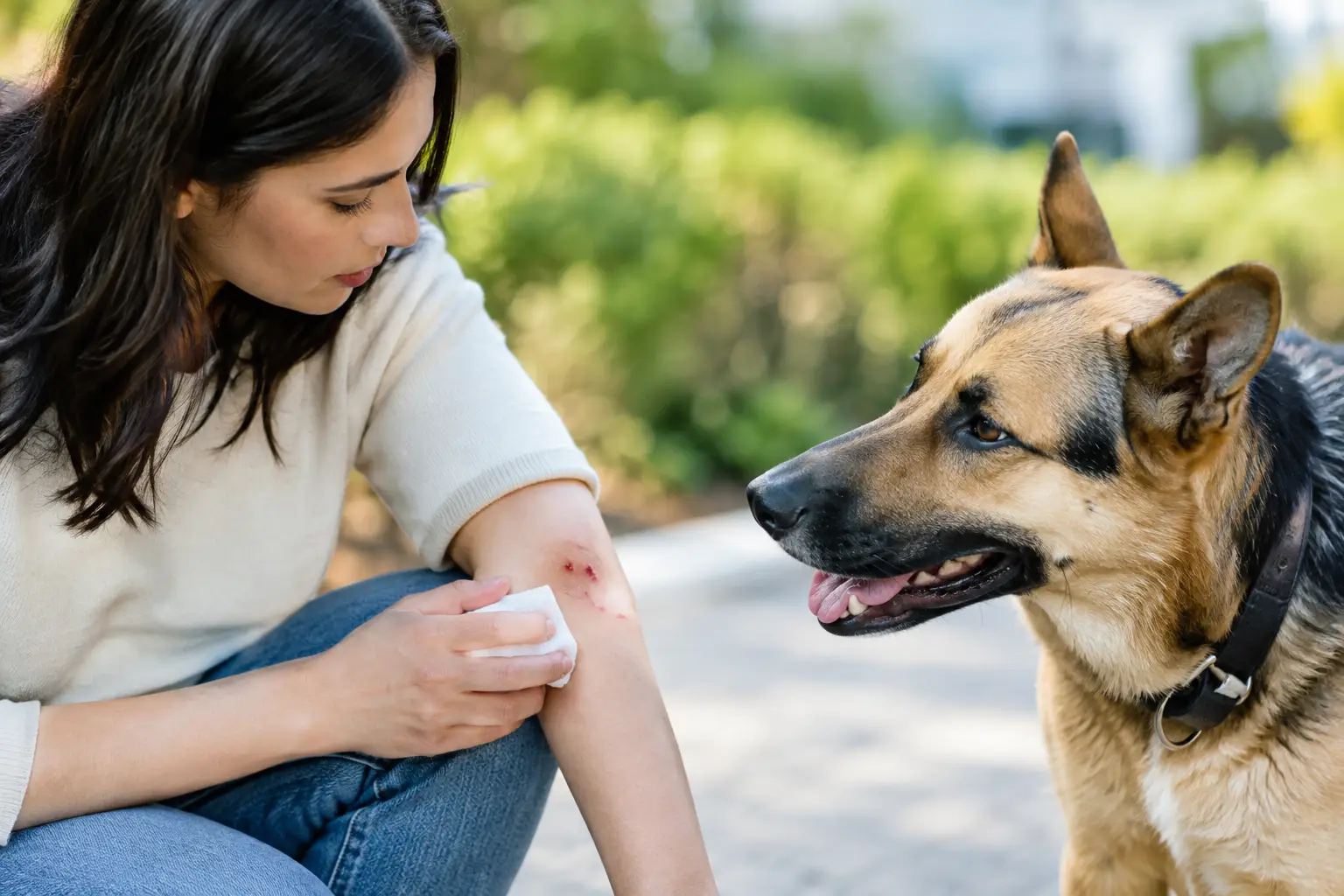
A dog bite can turn a normal walk, visit, or delivery into a painful and frightening emergency. Knowing how to report a dog bite in California can protect your health, create a record of what happened, and help prevent another person or child from being hurt by the same animal.
The first priority is medical care. Even a small puncture can become infected, and bites to the face, hands, feet, or joints can cause lasting damage. Once you are safe and receiving appropriate treatment, report the incident promptly and preserve the details while they are still clear.
How to Report a Dog Bite in California
If the dog is loose, still aggressive, or presents an immediate danger, call 911. Move to a secure location if you can do so safely. Do not try to catch, corner, or confront the dog yourself.
For a bite that is no longer an active emergency, contact the animal control agency or local health authority for the city or county where the attack occurred. In San Luis Obispo County and other Central Coast communities, local animal services can document the incident, identify the dog and owner, and determine whether the animal must be observed for rabies concerns or other public-safety reasons.
When making the report, give a clear, factual account. Explain where and when the attack happened, what the dog looked like, whether you know the owner, and the injuries you suffered. If you know where the dog lives or saw it leave with someone, provide that information. Details such as the dog’s collar, leash status, breed or markings, and direction of travel can help authorities locate the animal.
Ask for the incident or case number before ending the call. Write down the name of the agency and the person who took your report, along with the date and time. That report may become valuable evidence later, particularly if the owner disputes what happened or claims the dog was never involved.
Do not rely only on an informal conversation
A dog owner may apologize, promise to pay medical bills, or assure you that the dog has current vaccinations. Those assurances may be sincere, but they do not replace a formal report. Owners can become difficult to reach, memories can change, and the dog’s vaccination status may need to be independently verified.
A formal report also gives animal control an opportunity to investigate whether the dog has bitten someone before. That information can matter for community safety as well as an injury claim.
Get Medical Care and Ask About Rabies Risk
Wash the wound with soap and running water as soon as possible. Apply clean pressure to control bleeding and seek urgent medical attention for deep punctures, uncontrolled bleeding, bites to sensitive areas, signs of infection, or any injury involving a child.
Tell the medical provider that the injury was caused by a dog. Healthcare providers may have reporting duties, but you should not assume a provider’s report is the only report needed. Make your own report to the appropriate local agency when possible.
A medical professional can assess whether you need a tetanus shot, antibiotics, stitches, specialized treatment, or rabies-related care. Rabies is rare in domestic dogs in California, but it is a serious concern that must be handled quickly when a dog cannot be located, observed, or shown to have appropriate vaccination records.
Keep every record connected to your care, including discharge instructions, prescriptions, invoices, photographs taken by medical staff, and follow-up recommendations. Dog bite injuries sometimes worsen after the first appointment. Infection, nerve damage, scarring, and emotional trauma may not be fully apparent on the day of the attack.
Document What Happened Before the Evidence Disappears
Reporting the bite is one part of protecting yourself. The next is preserving the evidence that shows how the attack occurred and how it affected you.
Take photographs of your injuries before and after treatment, and continue taking pictures as bruising, swelling, stitches, scarring, or infection develop. Photograph the location of the incident, including an open gate, broken fence, lack of warning signs, or any other condition that may have contributed to the attack.
If there were witnesses, ask for their names and contact information. A neutral witness can be especially helpful when a dog owner claims you provoked the animal or trespassed. If a neighbor, business, or nearby residence may have security footage, ask them to preserve it immediately. Many video systems automatically erase footage within days.
Write down your own account as soon as you can. Include what you were doing before the bite, whether the dog was restrained, what the owner said, where you were standing, and whether the dog acted aggressively beforehand. Do not exaggerate or guess. A specific, accurate account carries more weight than a story that changes over time.
What to Tell Animal Control and What Not to Say
You do not need legal language to make a useful report. Stick to observable facts. Say that the dog bit you, identify the body part injured, explain whether the dog was leashed or contained, and share any information you have about the owner or the dog’s location.
Avoid speculating about whether the owner knew the dog was dangerous or making statements that assign blame before the facts are clear. You also do not need to minimize the incident to be polite. If the bite broke skin, required medical care, caused you to fall, or left you afraid to return to the area, say so plainly.
It is also wise to avoid giving the dog owner a recorded statement to an insurance company before you understand the full scope of your injuries. An early statement made while you are in pain or under stress can be used to downplay what happened.
California Dog Bite Claims: Why Reporting Matters
California generally holds dog owners responsible when their dog bites someone who is in a public place or lawfully on private property. This is commonly called strict liability, meaning an injured person may not need to prove that the owner knew the dog had bitten before.
Still, every case depends on the facts. Questions may arise about whether the dog was owned by the person identified, whether the injured person was lawfully present, whether more than one party had control of the animal, and whether a property owner or another responsible party may also be involved. A report made close to the incident can help establish the time, location, dog identification, and initial injury information.
Compensation may be available for medical expenses, future treatment, lost income, pain and suffering, scarring, and emotional harm. For a child, visible scarring and fear around animals can have effects that continue well beyond physical healing. Do not accept a quick insurance offer before you know whether additional care, surgery, or long-term treatment will be necessary.
When to Speak With a Dog Bite Lawyer
Consider legal guidance promptly if the bite broke the skin, required medical treatment, caused scarring, involved a child, occurred at a rental property or business, or if the owner’s insurer contacts you. You should also seek help if the owner denies responsibility, the dog cannot be found, or you are missing work because of the injury.
An experienced California injury attorney can obtain reports, preserve video, identify available insurance coverage, calculate the full impact of the injury, and handle insurer communications. This gives you room to focus on healing instead of chasing paperwork and defending yourself against an insurance company’s questions.
James McKiernan Lawyers has served California injury victims for more than 50 years and has handled more than 35,000 cases. A free consultation is available 24/7, and there is no attorney fee unless compensation is recovered.
After a dog bite, taking action quickly is not about creating conflict. It is about protecting your health, documenting the truth, and making sure you have the information needed to move forward with confidence.