Uninsured Motorist Claim California Guide
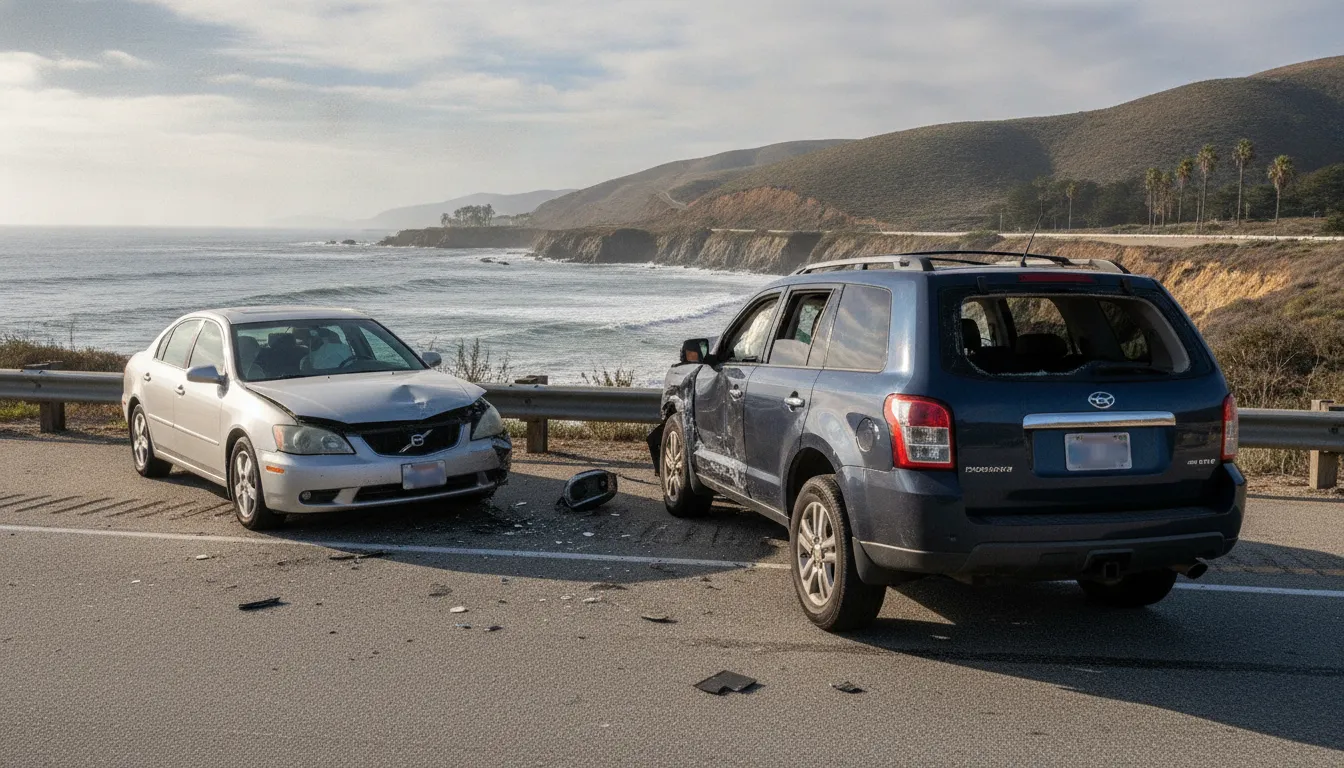
A crash can become even more stressful when the driver who caused it has no insurance. Fortunately, an uninsured motorist claim California policyholders pursue may provide a path to compensation through their own automobile insurance. This coverage can apply to bodily injuries caused by an uninsured driver and, in some circumstances, a hit-and-run driver.
Injured by an uninsured driver? Call James McKiernan Lawyers for a free consultation at 800-200-HURT.
The process is not automatic. You still need to prove fault, document your injuries and losses, comply with policy requirements, and present a persuasive claim. Your own insurer may investigate and challenge the amount it should pay. Acting promptly and preserving evidence can make a meaningful difference.
This guide explains the California uninsured motorist claims process, the evidence that can support your case, common disputes, and when legal guidance may help. It provides general information, not advice about a specific claim.
Uninsured Motorist Claim California: How an uninsured motorist claim works in California
Uninsured motorist bodily injury coverage, often called UM coverage, can help when an at-fault driver has no liability insurance. Underinsured motorist coverage, or UIM coverage, may apply when the at-fault driver’s liability limits are not enough to cover the harm they caused. California insurers generally must offer this protection with automobile liability policies, although a policyholder may reject it in writing.
A UM claim is a first-party claim. Instead of seeking payment only from the uninsured driver, you notify your own insurer and request benefits under your policy. That does not mean the insurer simply accepts your account or pays the amount requested. The insurer may examine who caused the crash, whether the other driver was truly uninsured, whether the policy covers the incident, and how much compensation is supported by the evidence.
What UM bodily injury coverage may address
Depending on the facts and policy, a claim may seek payment for accident-related medical expenses, lost income, reduced earning capacity, pain, and other legally recoverable bodily injury losses. The available recovery is subject to policy terms and limits. Coverage questions can also arise when several injured people make claims from the same collision.
Hit-and-run crashes
A hit-and-run collision may qualify as an uninsured motorist event, but special proof and notice requirements can apply. Report the collision promptly, obtain witness information, preserve photographs or video, and notify the insurer. Do not assume that the absence of an identified driver makes a claim impossible or guarantees coverage.
What should you do before filing your claim?
The first hours and days after the collision can shape the insurance investigation. Focus on health and safety first, then create a reliable record of what occurred.
- Get to safety and seek medical care. Call emergency services when needed. Even if symptoms seem manageable, obtain appropriate medical evaluation and follow recommended care.
- Report the crash. Ask law enforcement to document the collision, especially if the other driver fled or says they have no insurance.
- Collect available information. Record the other driver’s name, license plate, vehicle details, and contact information. Photograph any insurance card they provide without assuming it is active.
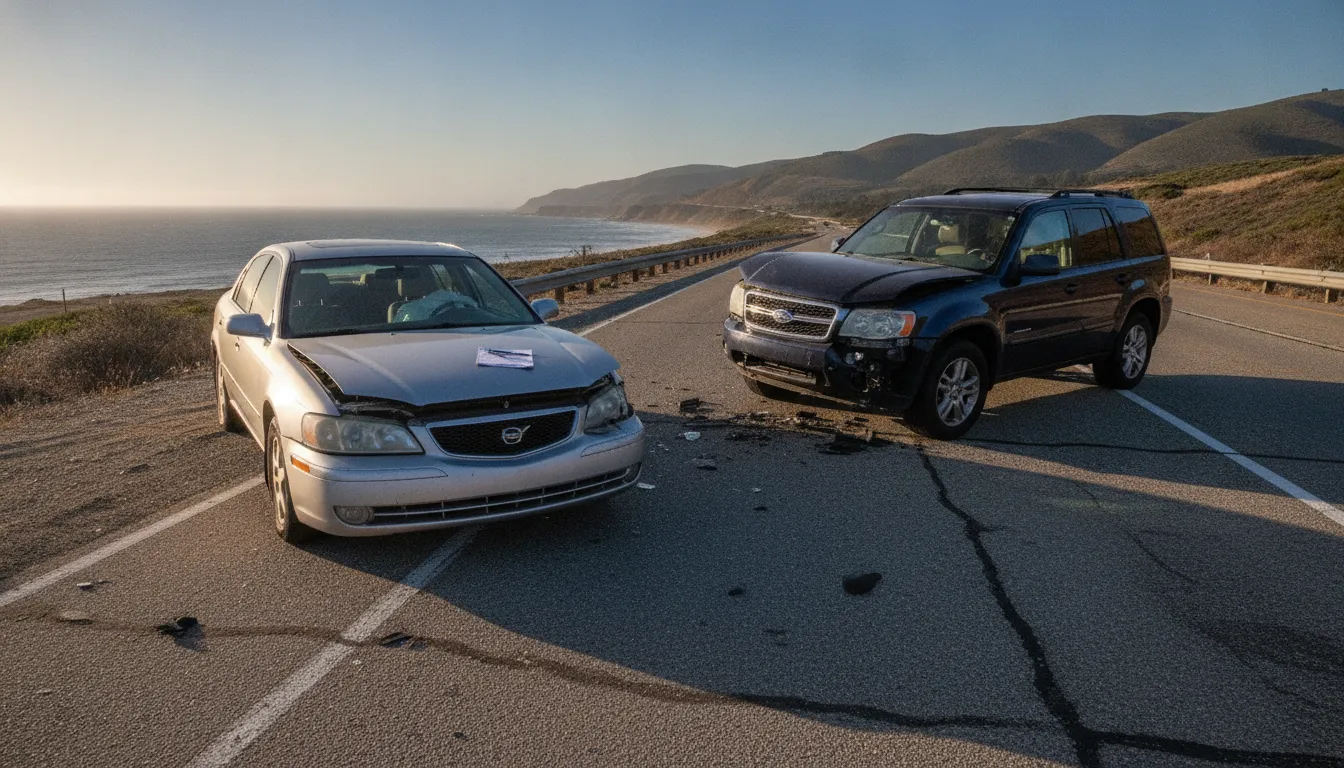
- Preserve scene evidence. Take photographs of vehicle positions, damage, road conditions, debris, skid marks, and visible injuries. Identify nearby cameras and obtain witness contact details.
- Notify your insurer promptly. Give accurate basic facts and ask what notice, forms, or proof the policy requires. Avoid guessing about injuries or fault.
- Keep organized records. Save medical bills, treatment notes, wage-loss documents, receipts, correspondence, photographs, and a log of symptoms and limitations.
For a broader overview, read how car accident claims work in California and what may happen when an uninsured driver hits you. If an adjuster requests a recorded statement or broad medical authorization, consider getting legal advice before responding.
What evidence strengthens an uninsured motorist claim?
A successful claim usually depends on more than showing that the other driver lacked insurance. You must also establish the other driver’s responsibility and connect your claimed losses to the crash. Strong documentation gives the adjuster, arbitrator, or other decision-maker a clear factual record.
Evidence of fault
Useful evidence may include the traffic collision report, photographs, video, witness statements, vehicle damage, electronic data, and expert analysis. California follows comparative fault principles, so an insurer may argue that you share responsibility. Evidence that shows traffic signals, lane positions, speeds, and each driver’s conduct can be important.
Evidence that the other driver was uninsured
An expired card or the driver’s statement may not settle the issue. Your insurer may investigate available coverage. Preserve the driver’s identifying information and any correspondence concerning insurance status. In a hit-and-run case, document every reasonable effort to identify the vehicle and driver.
Evidence of injuries and financial loss
Medical records can connect symptoms, diagnoses, and treatment to the collision. Bills show charges, while employment records, pay statements, and employer verification can support lost-income claims. Photographs, a symptom journal, and statements from people who observe your limitations may help explain how injuries affect daily life.
Consistency matters. Follow reasonable treatment recommendations, attend appointments, and tell medical providers accurately how symptoms developed. Gaps in care or conflicting descriptions may give the insurer grounds to dispute causation or severity. James McKiernan Lawyers can help injured people organize this evidence and evaluate an insurer’s position.
Is your insurer questioning fault or your injuries? Request a free claim review from James McKiernan Lawyers.
What are the deadlines for filing in California?
Deadlines in uninsured and underinsured motorist matters are fact-specific. They may involve the date of the collision, policy notice provisions, proof requirements, and steps required to preserve a right to arbitration. Underinsured claims can also involve the timing and resolution of the at-fault driver’s liability coverage. Waiting can jeopardize evidence and legal rights, so prompt review is prudent.
Notify the insurer as soon as reasonably possible and ask for the applicable policy language. Keep copies of every submission and confirmation. Do not rely only on a telephone conversation about a deadline. Written communication creates a record and helps prevent misunderstandings.
Common reasons insurers challenge claims
- The insurer disputes that the uninsured driver caused the collision.
- The insurer argues that the claimant shares fault.
- The insurer questions whether the policy or UM provision applies.
- The insurer disputes whether treatment was necessary or crash-related.
- The insurer challenges lost wages or the value of pain and limitations.
- The insurer says notice, cooperation, or another policy requirement was not satisfied.
Respond with organized evidence rather than frustration. Ask the adjuster to identify missing information and explain the basis for a disputed position. Keep correspondence professional and avoid overstating the evidence. An attorney can evaluate whether a request is appropriate and whether the insurer’s position is supported by the policy and California law. If the carrier has already refused payment, review practical guidance on how to fight an insurance claim denial.
Uninsured versus underinsured motorist claims
UM and UIM coverage address related problems but operate differently. Understanding the distinction helps prevent procedural mistakes.
| Issue | Uninsured motorist claim | Underinsured motorist claim |
|---|---|---|
| When it applies | The at-fault driver has no applicable liability coverage or may be an unidentified hit-and-run driver. | The at-fault driver has liability coverage, but its available limits are insufficient for the supported losses. |
| Initial focus | Prove fault, uninsured status, coverage, injuries, and damages. | Prove fault and damages while addressing the at-fault driver’s liability coverage first. |
| Common dispute | Whether the driver was uninsured or the hit-and-run requirements are satisfied. | Whether liability limits are exhausted and what additional amount is payable. |
| Recovery limit | Subject to the UM policy terms and available limits. | Subject to UIM rules, credits, policy terms, and available limits. |
Do not settle with an at-fault driver or liability insurer without considering how that decision could affect a UIM claim. The correct sequence and required consent can depend on the policy and circumstances. Get advice before signing a release.
Why may your own insurance company challenge the claim?
People often expect their insurer to take their side. An insurer does owe duties to its policyholder, but it also evaluates whether a claim is covered and what amount is owed. In a UM dispute, the parties may disagree sharply even though the claim is made under the injured person’s own policy.
An adjuster may scrutinize prior injuries, delayed treatment, medical recommendations, wage calculations, and the claimant’s description of the crash. The insurer may request records, an examination, a statement, or other information permitted by the policy. Some requests are routine, while others deserve careful review because they may be broader than necessary.
How to respond to a low offer or denial
Ask for the insurer’s position and supporting reasons in writing. Compare that explanation with the policy, crash evidence, and medical documentation. Identify factual errors and submit focused records that answer the insurer’s concerns. Keep track of response dates and do not let negotiations distract you from a legal deadline.
If the disagreement remains, the policy and California law may provide a process for resolving it, potentially including arbitration. A lawyer can prepare the evidence, value the claim, negotiate with the insurer, and represent the claimant in a formal dispute when appropriate. You can also learn more about how accident claim value is assessed.
When should you contact a California uninsured motorist lawyer?
Legal guidance may be especially useful when injuries are serious, fault is contested, more than one policy could apply. A driver fled, the insurer requests extensive information, or the insurer delays, denies, or undervalues the claim. Counsel can identify coverage, preserve deadlines, gather evidence, communicate with adjusters, and present a supported demand.
A lawyer can also assess whether other sources of compensation may exist. Depending on the facts, potential responsibility could involve a vehicle owner, employer, public entity, defective product, or another party. No additional claim should be assumed without evidence, but a complete investigation can prevent an available path from being overlooked.
What to bring to a consultation
Bring the insurance declarations page, complete policy if available, claim correspondence, collision report, photographs, witness information, medical records, bills, and proof of missed work. A short timeline of the crash, treatment, insurer contacts, and important dates can help the lawyer spot urgent issues quickly.
Also prepare a list of every household vehicle policy and any coverage connected to a vehicle you occupied. Coverage analysis can be technical, and seemingly minor facts may matter. The lawyer can explain what additional documents are needed and which next steps should receive priority.
James McKiernan Lawyers has served injured Californians for more than 40 years. Founded by former Superior Court Judge James McKiernan, the firm brings judicial insight to insurance disputes and has recovered more than $315 million for clients. More than 400 five-star reviews reflect the firm’s long-standing commitment to injured Californians. To learn about representation for these cases, visit our uninsured and underinsured motorist attorneys page or learn when to hire a personal injury lawyer. Consultations are free, and there is no attorney fee unless the firm wins for you.
Before signing a release or accepting a low offer, call James McKiernan Lawyers at 800-200-HURT for a free consultation.
Frequently asked questions
Can I make a claim if the other driver fled?
Potentially. A hit-and-run collision may be treated as an uninsured motorist event, but policy and legal requirements apply. Promptly report the crash, preserve physical and video evidence, identify witnesses, and notify your insurer.
Will an uninsured motorist claim raise my insurance rate?
Rate decisions depend on facts, applicable law, underwriting rules, and the insurer. Do not avoid a potentially valid claim based only on an assumption. Ask the insurer for information and consider advice tailored to your situation.
Does UM coverage pay for vehicle damage?
Bodily injury UM coverage and property damage coverage are different. California uninsured motorist property damage may provide limited protection under qualifying policies and circumstances. Collision coverage may also be relevant. Review the declarations and policy terms.
How long does an uninsured motorist claim take?
Timing varies with the investigation, treatment, coverage questions, damages, cooperation, negotiation, and whether a formal dispute is necessary. A clear, well-documented submission can reduce avoidable delay, but no responsible lawyer can promise a specific timeline.
Can I handle the claim without a lawyer?
You may communicate with your insurer yourself, but complex injuries, disputed fault, low offers, denials, and deadline questions can make legal advice valuable. A consultation can help you understand options before making an important decision.
Call James McKiernan Lawyers for a free consultation
An uninsured driver should not leave you without a clear path forward. James McKiernan Lawyers can review the crash, insurance coverage, evidence, and next steps. The firm serves injured people across California’s Central Coast and handles personal injury matters on a no-fee-unless-we-win basis.