Rear End Accident Settlement California Guide
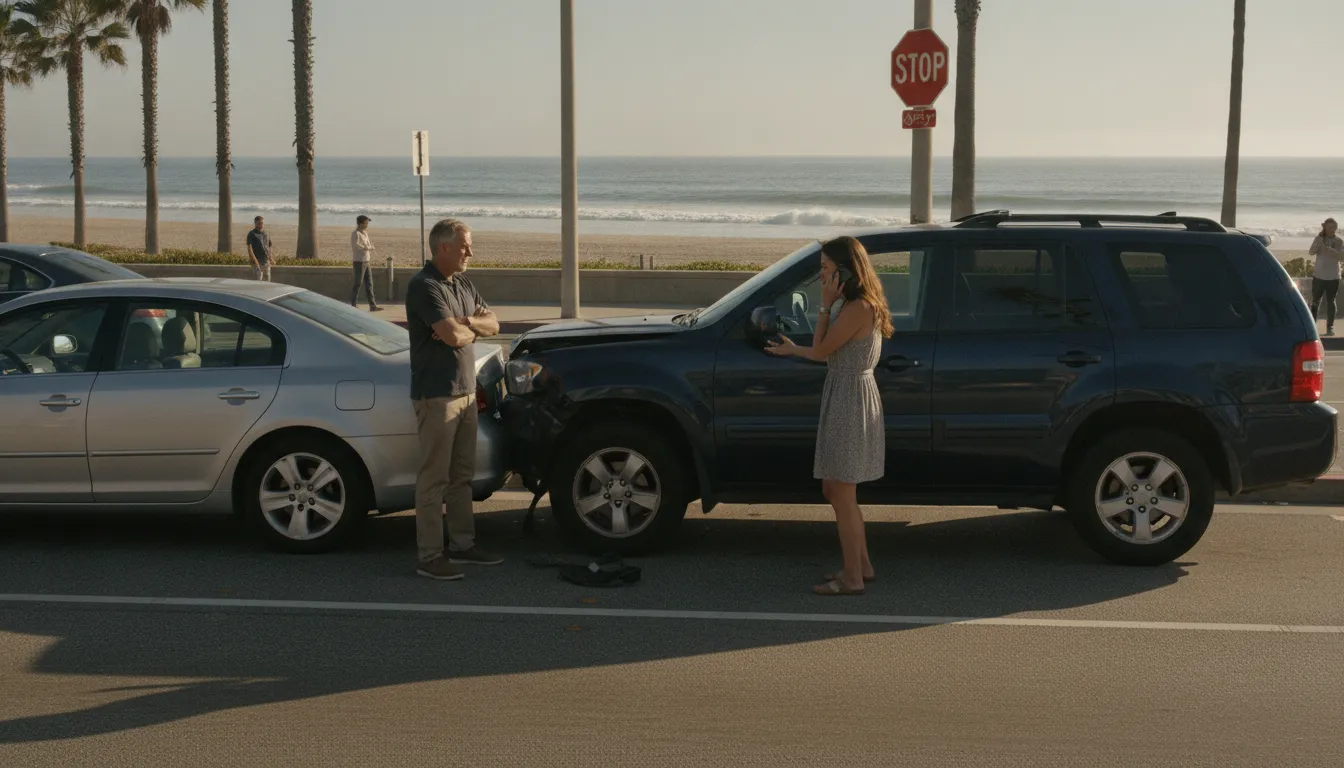
A sudden impact from behind can leave you with neck pain, missed work, and a damaged car. A rear end accident settlement California claim can seek payment for those losses, but its value depends on evidence, injury severity, insurance coverage, and the collision’s effect on daily life.
Call 800-200-HURT for a free consultation about your rear-end accident claim.
A rear end accident settlement in California may include medical bills, lost wages, vehicle repairs, pain and suffering, and future care tied to the crash. Most claims resolve outside court. The value depends on how severe your injuries are, the available insurance limits, the strength of the evidence, and how the crash changed your daily life. California law also allows injured people to pursue compensation for documented noneconomic losses.
Every crash is unique, so a fair value requires a full review of the facts. The path begins with understanding the factors insurers and attorneys use to assess a claim.
Rear End Accident Settlement California: What determines a rear end accident settlement in California?
When you look for a rear end accident settlement california, you will find that many parts of your case change the final payout. No two crashes are the same. A settlement is meant to help you get back what you lost. It covers your bills, your pain, and your missed work.
Health bills and care costs
The most common factor in your claim is the cost of your care. This has your first visit to the doctor and any care you need later. If you have a back injury or a neck strain, you may need many weeks of help to get well. California law lets you ask for money to cover these medical bills and health costs from the crash.
You should keep every bill and record from your care. These papers show the insurance firm just what the crash cost you. Some people may need care for a long time. In those cases, the value of the settlement must also cover the care you will need next year or even later.
Lost pay and work impact
A bad crash can keep you from your job. If you cannot work, your settlement should cover the pay you would have made if you were healthy. This covers your base pay, your overtime, and any perks you missed. It is vital to show how your injuries stopped you from doing your job.
If you cannot go back to your old job, the impact on your life is even bigger. You can add this loss of future pay to your claim. When you calculate your rear-end accident settlement, you must think about how your career might change. Our team helps you track these losses to make sure your claim is fair.
Proof and crash details
How the crash happened also matters a lot. While the driver who hits you from behind is often at fault, it is not always that simple. California uses a rule called comparative fault. This means if you played a small part in the crash, your payout could be lower.
You need strong proof to show the other driver was wrong. This proof can include:
- Photos of the cars and the road.
- Statements from people who saw the crash.
- A police report from the scene.
- Video from a dash cam or a store nearby.
The state also has rules for insurance. Every driver must have minimum liability limits of at least $15,000 per person. If the other driver has more insurance, there may be more money ready for your settlement. Having a former judge on your side helps you find every source of value for your case.
Who is liable for a rear-end collision?
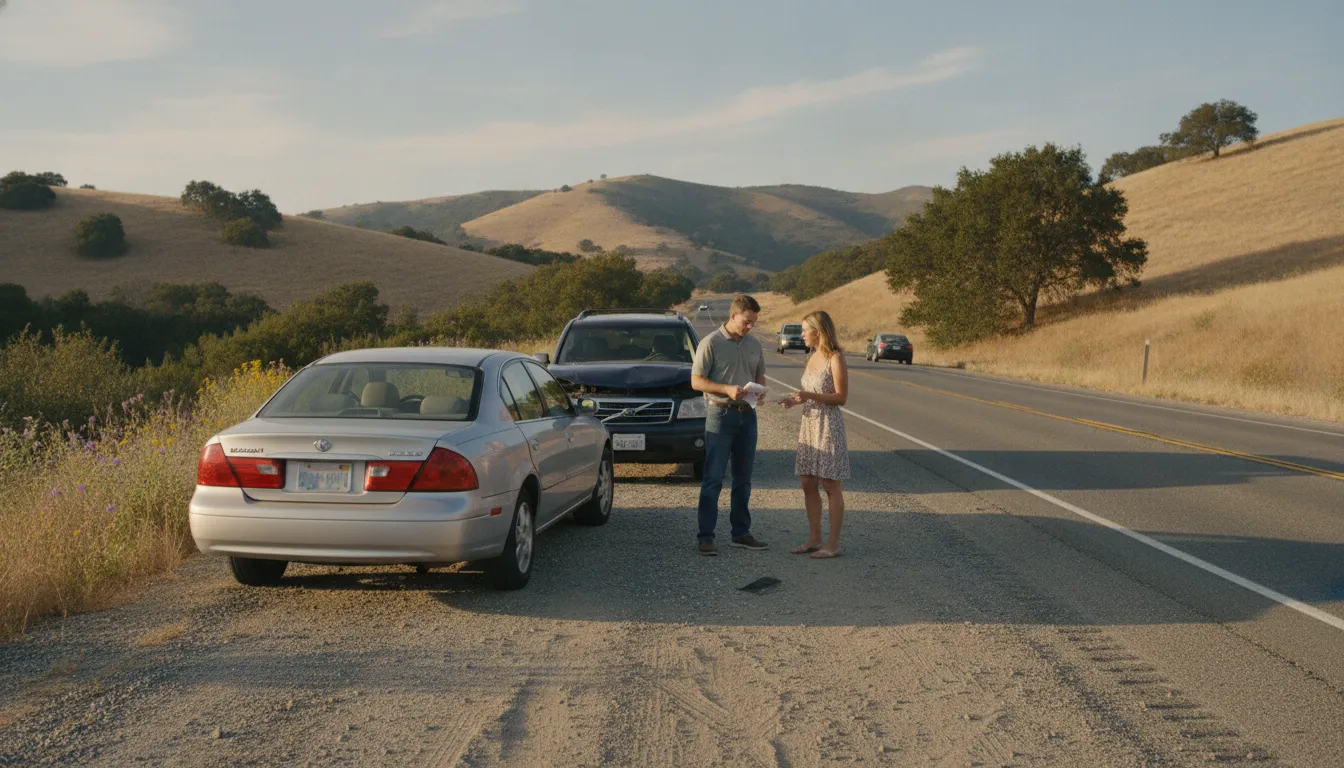
In many California rear-end crashes, the rear driver is responsible, but liability always depends on the evidence and each driver’s conduct.
Most people think the driver in the back is always at fault in a rear-end crash. While this is often true, California law looks at each case on its own. To calculate your rear-end accident settlement, you must show who was truly careless. These crashes are among the most common examples of personal injury cases in state courts today. Your path to a rear end accident settlement california starts with proof of fault.
The duty of the trailing driver
California drivers have a legal duty to follow other cars at a safe distance. You must leave enough space to stop if the car in front of you brakes suddenly. If you hit someone from behind, it often shows you were too close or not using enough focus. Police and insurers often start with the idea that the rear driver is to blame. They check if you were speeding or using a phone before the impact.
But the rear driver is not always the only one at fault. Sometimes the lead driver does something that causes the crash. For example, if a car’s brake lights do not work, the driver behind may not know to slow down. If a driver cuts you off and then slams on their brakes, they may be the one who was careless.
Understanding shared fault rules
California uses a rule called “pure comparative fault.” This means more than one person can share the blame for a crash. Your final factors affecting rear-end settlement value will depend on your share of fault. If a judge finds you are 20 percent at fault, your pay will drop by that amount. Every driver in the state must carry a set amount of insurance to pay for such hurts.
This system makes every piece of proof vital. You want to show the other driver was as much to blame as possible. Even small details about road conditions or light signals can shift the case in your favor. Knowing how these laws work is key to a strong claim after a rear-end crash.
Gathering proof for your claim
To win your case, you need strong proof of what happened. Police reports are a great start because they often list who the officer thinks is at fault. You should also look for dashcam clips or videos from nearby shops. Witness stories can help show if a driver was not focused or driving too fast for the weather.
Medical records also play a big role in your case. They show the link between the crash and your injuries, such as neck pain or back issues. California law sets a two-year limit to file a claim for most injuries. Waiting too long can stop you from getting any money at all. Getting help early gives you the best chance to find and save proof before it is gone.
The settlement timeline for rear-end collisions can vary based on how clear the fault is. If both sides agree on who caused the hit, the case might move fast. But if the insurance firm fights the claim, it could take much longer. A lawyer can help you deal with the firm and push for a fair payout.
Damages that may be included in a settlement
A California rear-end settlement may cover both financial losses and the human impact of an injury when those losses are supported by evidence.
A rear end accident settlement in California covers more than just car repairs. You can ask for money to cover medical bills, lost wages, and emotional harm from your injury. These losses are called damages. California law divides these into two main types: economic and non-economic.
Economic damages for financial loss
Economic damages pay for the actual money you lost because of the crash. This includes the cost of medical care and lost income if you could not work. You can also get money for property damage to your car. In California, you generally have three years to file a suit for property damage after a car accident.
Most settlements also look at future costs. If your injuries need long-term care, your claim should include those future medical bills. It can also cover your loss of pay if you can no longer do the same work. We help clients gather bills and pay stubs to prove these exact losses.
Non-economic damages for pain and suffering
Non-economic damages cover losses that do not have a set price tag. This includes your physical pain and mental suffering. You can also seek money for the loss of enjoyment of life if your injuries stop you from doing things you love. These damages are harder to count but are a key part of your recovery.
California does not have a hard cap on most non-economic damages in car accident cases. However, if you were driving without insurance, you might not be able to get these damages. We look at the facts of your case to see what you can get back. Our goal is to make sure the insurance firm sees the full impact the crash had on your life.
| Damage Category | What It Covers | Examples |
|---|---|---|
| Economic | Direct financial costs | Hospital bills, lost pay, car repairs |
| Non-Economic | Personal and lifestyle impact | Physical pain, stress, loss of hobbies |
| Future Economic | Expected future costs | Ongoing therapy, future lost raises |
| Wrongful Death | Loss of a loved one | Funeral costs, loss of support |
How we help you recover
We work to find every loss you faced. This helps us find the true factors affecting your rear-end settlement value. We talk to doctors and experts to build a strong case for you. You do not pay any fees unless we win your case and get you a settlement.
Steps to protect your rear-end accident claim
Get medical care, report the collision, preserve evidence, track every loss, and avoid accepting a settlement before the full impact is known.
A sudden crash from behind can leave you dazed and in pain. What you do in the first few hours and days matters most. This guide shows you how to act fast to keep your case strong. To get a fair calculate your rear-end accident settlement, you must build a strong case from the start. Follow these steps to keep your legal rights safe.
Seek quick medical care
You might feel fine right after the hit, but many neck and back pains show up later. Whiplash and spine damage are common in rear-end crashes. A doctor can find these hidden harms and write them down. This record is key to prove your crash caused the hurt. If you wait too long, the other side may say you were not hurt in the wreck. Your health is the top focus, but it is also the heart of your claim.
Gather proof at the scene
Proof can fade fast as cars move and rain falls. Use your phone to take clear photos of the damage to both cars. Get shots of the road, signs, and any skid marks. Talk to people who saw the crash and ask for their names and phone numbers. Do not just rely on a police report. Your own set of notes can help a lawyer show the other driver was at fault. Keeping a log of your pain and loss of work also helps later.
Keep track of key dates
California law sets strict time limits for filing a case. For most car wrecks, you have two years from the injury date to sue. If you miss this date, you lose the right to ask for money. If a city or state truck hit you, the time is even shorter. Start your claim early so you do not run out of time. You should also check for property damage, which has a three-year limit.
- Check for injuries and call 911 to get help and a police report.
- Swap info with the other driver, like their name and insurance details.
- Take photos of the cars and the spot where the crash happened.
- See a doctor right away, even if you do not feel bad yet.
- Call your insurance firm to start a claim within 15 days of the crash.
- Save all bills and receipts for your medical care and car repairs.
- Talk to a lawyer before you sign any deal with an insurance firm.
Insurance firms must also work fast under state rules. They must start an investigation within 15 days of your notice. They also have 40 days to say yes or no to your claim. Once they say yes, they must pay within 30 days. These rules help stop firms from stalling on your pay. If they do not follow these times, a lawyer can help you push back.
By taking these steps, you can help secure a rear end accident settlement california that covers all your needs. Each piece of proof you save adds to the value of your case. Do not let a simple crash ruin your future. Get the help you need to move on with your life.
How long does a rear-end collision settlement take?
A rear-end collision settlement may take months or longer, depending on medical recovery, disputed fault, available insurance, and whether litigation becomes necessary.
The time it takes to finish a rear end accident settlement california depends on many things. Most cases move through a set of steps. These steps help you and your lawyer prove what happened. They also help find out how much your claim is worth. Some claims finish in months, but others may take a year or more.
Medical care and recovery
The first step is your medical care. You should not settle your case until your health is stable. If you settle too soon, you might miss out on money for future care or therapy. Your lawyer will work with you to calculate your rear-end accident settlement based on your full health needs.
Once your care is clear, your lawyer sends a demand letter to the insurance company. This letter lists your injuries and the money you need for your losses. In California, drivers must have at least $15,000 in liability coverage for one person, as noted by the California Department of Insurance. This law helps set the base for many claims.
Insurance rules and deadlines
State laws set strict time limits for how insurers act. After you tell them about a claim, they have 15 days to start a review. They must then accept or deny the claim within 40 days of getting proof of your loss. These California insurance rules help keep your case moving. If they agree to a deal, they must pay you within 30 days.
You must also know the legal time limits for filing a case in court. In California, you have two years from the date of the crash to sue for personal injury. This is known as the statute of limitations. If you wait too long, you may lose your right to get money for your medical bills or lost wages.
Talks and legal action
Many cases settle during talks between your lawyer and the insurance agent. Your lawyer will look at the factors affecting rear-end settlement value to push for a fair deal. This part can take a few weeks or several months. Both sides often go back and forth with different offers to reach a deal.
If the insurance company does not offer a fair amount, your lawyer may file a lawsuit. Filing a case does not mean you will go to a trial. Most lawsuits still end in a deal before a trial starts. But filing a case adds time to the settlement timeline for rear-end collisions. Sharing facts and court dates can add many months to the work.
Request a free case review before signing an insurance release or accepting a final offer.
How insurance companies evaluate rear-end claims
Insurers evaluate liability, medical records, lost-income proof, policy limits, and whether the claimed losses are clearly connected to the crash.
Insurance companies use a set process to review rear-end crash cases. They focus on cutting the final payout to save their own money. When you seek a rear end accident settlement california, the firm will look for any reason to lower the value of your claim.
The role of proof and facts
In California, insurance rules require companies to start a probe within 15 days of a claim notice. The person in charge will look at police files, photos of the scene, and car damage. They often use tools to guess repair costs and medical needs. If there is little car damage, they may argue that your body’s hurts are not real or bad.
How firms challenge your hurts
A common trick is to look for a gap in care. If you wait too long to see a doctor, the firm might say the crash did not cause your pain. They also check old health files to find “pre-existing conditions.” They may try to link your new pain to an old hurt. You can calculate your rear-end accident settlement by keeping a clear list of every visit and bill.
Recorded talks and early offers
Adjusters often call people soon after a crash to ask for a recorded talk. They hope you will say something that hurts your case. You might feel fine right after the hit, but some pain like whiplash can take days to show up. Firms may also offer a fast, low check. These early offers rarely cover the full cost of long-term care or lost pay. It is best to talk with a lawyer before you sign any final forms.

When should you contact a California accident lawyer?
Contact a lawyer when injuries are significant, fault is disputed, an insurer pressures you to settle, or the claim involves lasting medical or income losses.
You may not need a lawyer for a small fender bender with no harm done. But many rear-end crashes lead to hard legal and health issues. If you face high medical bills or a lost wage claim, a law firm can help you use the legal system. They make sure the insurance company treats your case fairly and follows state rules.
Handling fault disputes
Most people think the rear driver is always at fault in these crashes. While often true, the other driver or their firm might try to blame you for the hit. California has laws that can lower your pay if you are found partly at fault. A lawyer can get proof like video or witness facts to protect your right to a full factors affecting rear-end settlement value.
Managing severe harm
Neck strain or whiplash may not show up right away, but they can lead to long-term pain. If your crash caused bad harm, you will likely need a lawyer to help calculate your rear-end accident settlement. Hard cases often involve many doctors and future care needs that are tough to value on your own. Under California law, you can seek money for medical bills, lost pay, and mental harm after a car crash.
Dealing with firm delays
Insurance firms must follow clear time rules under the California Code of Regulations. For example, a firm must start a check and send forms within 15 days of a claim notice. If a firm stalls or offers a low amount, a lawyer can step in to hold them to these legal duties. They can also help if the at-fault driver has a small plan that does not cover all your costs.
James McKiernan Lawyers has focused on personal injury cases for more than 40 years. Learn more about the firm’s personal injury representation, its San Luis Obispo office, or how to request a free consultation.
Frequently Asked Questions
What is the average rear end accident settlement california victims receive?
There is no fixed average for these cases. Each claim depends on the facts of the crash. Some settlements are about $15,000 while others reach over $1,000,000. Your case value depends on your medical bills, lost wages, and pain. According to California Courts, you can seek money for medical costs and emotional harm. A lawyer can help you find the true worth of your claim based on your unique losses.
How long does it take to get a rear-end collision settlement in California?
The timeline varies for each claim. California law says insurance firms must start to look into a claim within 15 days of a notice. After you provide proof of your loss, the insurance firm must accept or deny it within 40 days. These rules come from the California Department of Insurance. If they accept the claim, they must pay you within 30 days of the deal. Many cases take months to resolve if you need long-term medical care.
What factors impact the value of a rear-end accident settlement?
Many things change the final value of your case. The most vital factors are the cost of your medical care and how much work you missed. Your case worth also depends on the insurance limits of the other driver. In California, minimum liability coverage for one person is $15,000. Permanent injuries or long-term pain will lead to a higher settlement. A judge or jury will also look at who was at fault for the crash.
What should I do if I am rear-ended while stopped in California?
First, check for injuries and call the police. Swap info with the other driver and take photos of the cars. You should see a doctor right away, even if you feel fine. In California, you usually have two years to file a personal injury lawsuit. Next, speak with a lawyer before you talk to the insurance company. They can help you protect your rights and get the money you need for your bills.
Ready to get the settlement you need for your claim?
Call 800-200-HURT today for a free consultation. You pay no fee unless the firm wins your case.
Every day you wait to file a claim for your rear-end crash can make it much harder to win your case. Key proof can go missing, and people who saw the accident might forget details that matter for your pay. This delay can cost you a lot of money when it comes time to pay your medical bills and fix your car. Insurance firms often try to pay as little as they can, and they hope you will wait until it is too late. By taking action today, you put yourself in the best spot to get every cent you are owed for your loss. You can also learn how to calculate your rear-end accident settlement to see what your case might be worth. Starting the process now means you can stop worrying about debt and move forward with the support you need.
Ready to start? Call 800-200-HURT to schedule a free consultation and learn how we can help you with your settlement today.