What Happens After a Fatal Car Accident in California?

What Happens After a Fatal Car Accident in California?
A fatal collision on a California highway triggers an immediate response from state authorities. Police officers, medical examiners, and forensic teams arrive to secure the scene and preserve evidence. Understanding what happens after a fatal car accident is the first step toward finding accountability and closure for your family.
Schedule a free consultation with James McKiernan Lawyers or call 800-200-HURT for compassionate guidance.
After a fatal car accident in California, first responders secure the scene, the coroner takes responsibility for the deceased, and law enforcement investigates the cause. Criminal charges, insurance claims, and a civil wrongful death claim may follow. Families should preserve records and seek legal guidance before accepting an insurance settlement.
The legal system moves quickly after a tragic crash, starting with the work done by first responders at the scene. You may feel lost during this time, but knowing the specific steps the police and state officials take can provide some clarity. To find the truth about the legal process, here is What happens immediately after a fatal car accident.
What Happens After A Fatal Car Accident: What happens immediately after a fatal car accident?
When a car crash results in a loss of life, the scene changes from a typical traffic stop to a major investigation. California law sets strict rules for everyone involved. The moments following the crash focus on safety, evidence, and official reports. Understanding what happens after a fatal car accident helps families know what to expect from the law.
Initial emergency response and care
Emergency crews are the first to arrive. Their main goal is to help anyone who is hurt. If someone has passed away at the scene, law enforcement will take charge of the area. Drivers must stop immediately at the site of any fatal crash. Leaving the scene is a serious crime. Police will often block off the road to keep people safe and protect evidence from being moved.
Role of the coroner and law enforcement
In California, a medical examiner or coroner must be called to the scene when a death occurs. They take charge of the body while police document the area. Officers will collect data like who was driving, the path of travel, and the speed of the cars. They use the CHP 555 Traffic Collision Report to record these facts. This document is a key part of any future legal steps the family may take.
Special teams often handle fatal crashes. The California Highway Patrol uses a Multidisciplinary Accident Investigation Team (MAIT) for complex cases. These experts look at road conditions, car damage, and debris to rebuild the event. This process is far more thorough than a minor fender bender because it aims to find the exact cause of the crash.
Sequence of events after a fatal crash
The move from the crash site to the start of a legal case follows a set path. While the police work on the scene, families are often left with many questions about their next steps.
- Stop and report: All drivers must stop. If no officer is there, they must report the crash to the CHP or local police without delay.
- Secure the scene: Officers mark the area and gather facts from the cars and the road. This includes taking photos and talking to witnesses.
- Coroner arrival: The coroner takes the body to find the cause of death. They also help with the task of telling the family.
- Gather evidence: Police look for signs of unsafe driving or alcohol use. They also get contact info from everyone who saw the crash.
- Create report: A final report is made. This report lists who was at fault and if other things led to the crash.
- Legal paths: Two paths often begin. One is a criminal case for driver conduct. The other is a civil case, where a legal help after a fatal crash helps the family.
Family notification and next steps
Telling the family is a sensitive part of the process. Usually, the coroner or a police officer will speak with the next of kin. During this time, the case remains under active investigation. It is helpful for families to get a copy of the police report once it is ready. This helps in building a wrongful death lawsuit to cover funeral costs and lost pay.
Three processes may follow a fatal California crash
James McKiernan Lawyers helps families understand how these separate proceedings can affect evidence, timing, and a potential civil claim.
When a fatal car accident occurs, families often face multiple legal paths at once. These systems work in different ways to address the loss of a life. Each path has its own rules and goals. You may need to navigate all three to protect your rights and seek justice for your loved one.
The criminal investigation
State and local police look at fatal crashes to see if a driver broke the law. Officers search for signs of speeding or reckless acts. In California, the California Highway Patrol uses expert teams to study the scene. They work to find out who was at fault. If a driver was careless, the local district attorney may file criminal charges.
The insurance claim process
Most families deal with insurance firms soon after a crash. This path aims to pay for car damage and some medical bills. State law says drivers must have insurance, but these plans often have low limits. Adjusters may try to settle fast to save money. It is wise to talk with a legal help after a fatal crash before you sign any forms.
The civil wrongful death claim
A civil claim is not part of a criminal case. Its goal is to provide money for the family. You do not have to wait for a trial to end to start this work. In a wrongful death lawsuit, you must show the other side was at fault. This path lets you seek funds for funeral costs and lost income. It also covers the loss of a loved one’s care. While criminal cases focus on jail time, a civil claim looks at the needs of the survivors.
| Legal Process | Main Goal | Who Controls It | Key Outcome |
|---|---|---|---|
| Criminal Case | Punish the driver | The State | Jail or fines |
| Insurance Claim | Pay basic costs | Insurance companies | Policy payout |
| Civil Claim | Help the family | Surviving family | Financial recovery |
Talk with James McKiernan Lawyers about a California wrongful death claim in a free consultation.
How is fault investigated after a fatal crash?
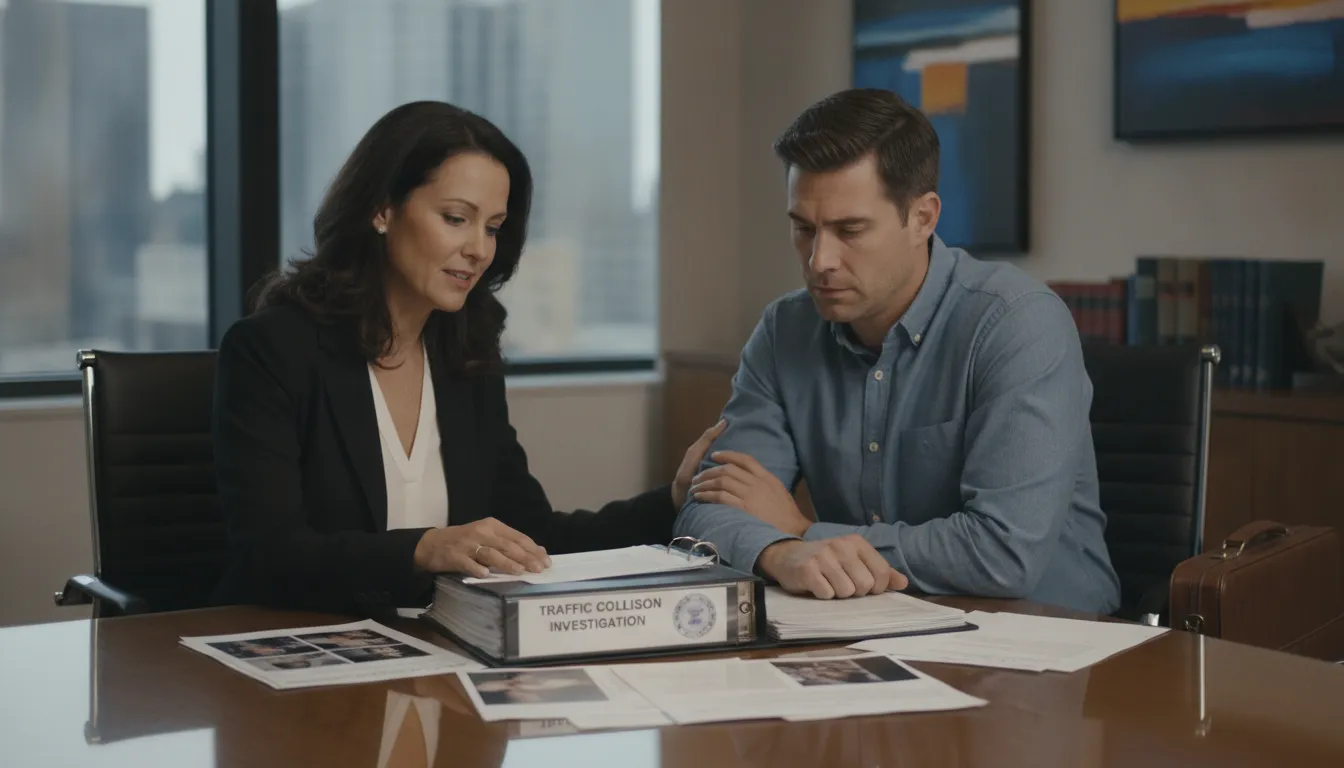
After a fatal collision, law enforcement starts a deep look into the cause of the wreck. This work aims to find out who was most at fault by looking at the vehicles, the people, and the road environment. In California, the investigating officer makes a final call on fault based on these facts. If you lost a loved one, you should know what happens after a fatal car accident and how the state builds this report.
Role of specialized police teams
For the most severe wrecks, the state uses a Multidisciplinary Accident Investigation Team (MAIT). These experts go far beyond a simple patrol report to find the root cause of a crash. They look at vehicle dynamics, debris patterns, and road conditions to rebuild the event. This multidisciplinary approach ensures the final report is based on hard science and facts.
Gathering and preserving evidence
Officers collect data on the direction of travel, lane use, and estimated speeds before the impact. They also look for witnesses who may have seen unsafe driving or cell phone use. It is vital for families to keep all records and avoid giving long statements to insurers before talking to a lawyer. A legal help after a fatal crash can help you get a copy of the official CHP 555 report and protect your rights.
Other contributing factors
The investigation may find that more than one person shares the blame. An officer might list a second party as an “Other Associated Factor” if they played a part in the crash. This detail is key for a wrongful death lawsuit statute of limitations check, as it helps identify all responsible parties. Proving negligence is needed to win a case and get the help your family needs.
Who can bring a wrongful death claim in California?
Losing a loved one in a crash is a heavy burden. In California, the law lets certain people seek justice through a civil claim. This process helps families cover costs and move forward after a tragedy. While no amount of money can replace a person, it can provide help for those left behind.
People who may file a claim
California law lists who has the right to file. The first group includes the person’s spouse or partner. Children of the person who died can also bring a suit. If there are no living children or spouse, the law looks to parents or siblings. You may wish to learn how to sue for wrongful death to start this process.
In some cases, people who relied on the person for money can file. This can include a legal partner or stepchildren. These rules ensure that those most hurt by the loss have a way to get help. If you have questions about your rights, a California car accident lawyer can help you find answers.
Types of losses you can recover
Families can ask for two types of help. First, there are money losses. These cover things like funeral costs and medical bills from the accident. They also include the income the person would have earned. Second, there are other losses. These are for the loss of love, care, and support the person gave to the family.
The state sets a wrongful death lawsuit statute of limitations for these cases. Most families have two years from the date of the death to file. Acting fast helps you protect your right to help. It also makes it easier for your team to find evidence from the crash scene while it is fresh.
How survival actions work
A survival action is different from a wrongful death claim. It is for the person who died. It covers losses they had between the crash and their death. This can include their medical bills and pain before they passed away. A personal representative for the estate usually brings this claim. It is meant to fix the harm done to the person.
What timeline should a family expect?
The time after a fatal car accident is a mix of grief and complex legal steps. Knowing the general path can help you feel more in control. Most cases follow a set sequence that moves from the crash site to the final resolution of a claim.
Early investigation steps
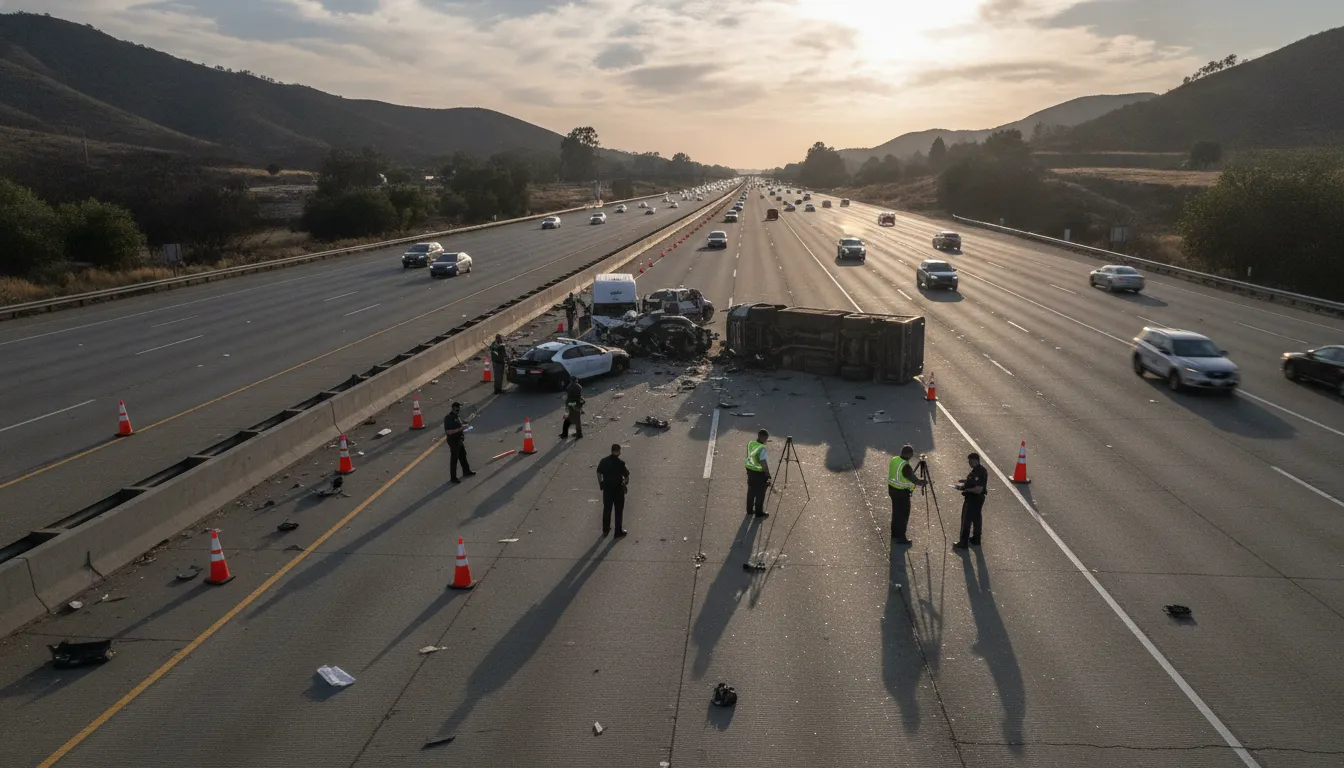
In the first few days, law enforcement and the medical examiner take the lead. California law says a coroner must take charge of the body and document the scene. During this time, the California Highway Patrol (CHP) or local police will start their work. They look at car damage, road conditions, and witness words to find who was at fault.
For bad crashes, a special Multidisciplinary Accident Investigation Team (MAIT) may be called in. This team uses science to recreate the crash. This part of the work can take weeks or even months to finish. A California car accident lawyer can help you get a copy of the final report once it is ready.
Insurance claims and negotiations
Once the first check gives some answers, the insurance stage begins. You will need to tell the right insurance firms about the loss. The firms will then do their own check. They look at policy limits and look for any reason to deny the claim. This is a key time to have legal help to make sure your rights are safe.
Talks often start after the insurance firm has all the facts. Your lawyer will show proof of your losses, such as funeral costs and lost cash support. This phase can last for months as both sides negotiate. If a fair deal is not met, your legal team may suggest a lawsuit.
Lawsuits and court dates
If you file a claim in court, the case moves into a new phase. In California, you must know the wrongful death lawsuit statute of limitations, which is usually two years. Missing this date could mean you lose the right to seek justice. This phase includes a formal step where both sides share proof and take notes.
Most cases settle before they reach a trial. But if a trial is needed, it can add a year or more to the total time. A good law firm will guide you through each court date. This path helps your family pursue compensation and plan for a more stable future.

How can families protect their rights without adding stress?
The time after a fatal car accident is full of grief and hard choices. You may feel rushed to act, but moving slowly can help you keep your rights. Focus on small steps each day to handle the tasks ahead. Most people want to know what happens after a fatal car accident to avoid making mistakes that hurt their legal case.
Dealing with legal tasks while you mourn is hard. You do not have to do it all at once. Taking care of your health and your family is the first goal. Once you feel ready, you can start to gather the facts of the crash. This work now will help you later if you need to take legal action.
Keep records of every cost
Keep a folder for every piece of mail you get. This includes medical bills, car repair quotes, and funeral costs. These economic damages can be part of a claim later on. Also, keep track of missed work for family members. Employment records help prove the financial hit your family took. If you are not sure what to save, keep everything until you talk to a professional.
Saving these papers helps you stay organized. It also takes the stress out of trying to find them months from now. You should also save any notes from the hospital or doctors. These show the care your loved one got before they passed. Having a clear trail of costs is key for any future claim.
Protect your privacy
It is best to stay off social media while you heal. Do not post details about the crash or how you feel. Insurance companies often look at these posts to find ways to pay less. Also, be careful when talking to insurers. You are not required to give a recorded statement right away. You can tell them you need more time or ask a California car accident lawyer to talk to them for you. This helps you avoid saying things that could be used against you.
Insurer agents may seem kind, but their job is to save money for the firm. They may ask questions that try to put the blame on your loved one. You can refer all calls to your lawyer to stay safe. This lets you focus on your grief instead of tough phone calls. It is your right to have a pro speak on your behalf.
Get the official report
One of the best ways to protect your rights is to get the CHP 555 Traffic Collision Report from the police. This report has the facts found by the officers who were at the scene. It lists the vehicles, people involved, and who the officer thinks is at fault. Having this paper ready makes it easier to start a wrongful death lawsuit if you decide to go that route. It acts as the base for any legal steps you take in the future.
A report can take some time to be ready. This is because fatal crashes need more forensic work to find the cause. Expert teams may look at car speed and road conditions to get the full story. You can check with the local office to see when the file is open to you. Once you have it, keep it in your safe folder with your other records.
Call 800-200-HURT to discuss your family’s next steps with James McKiernan Lawyers.
How can a wrongful death lawyer help?
James McKiernan Lawyers can preserve evidence, communicate with insurers, and explain each legal option while the family focuses on grieving and caring for one another.
When you lose a loved one, the legal world is likely the last thing on your mind. But knowing what happens after a fatal car accident can help you protect your family’s future. A lawyer takes the weight of the case off your shoulders so you can focus on healing. They handle the hard steps of a claim while you spend time with those who matter most.
Handling the investigation
A lawyer does not just wait for a police report. They start their own search for the truth to find out what really happened. This often means working with experts who can recreate the crash scene. They look at skid marks, car damage, and phone records to prove who was at fault. This work is vital because law enforcement investigations aim to find who is most at fault based on the vehicles and the scene.
Your legal team will also talk to people who saw the crash. Witnesses can share key facts, even if they did not see the impact itself. They might have seen unsafe driving or heard a person make a statement before or after the crash. Having a pro gather this proof early helps build a strong base for your case.
Managing the insurance companies
Insurance firms often try to pay as little as they can. They may call you soon after the loss when you are most at risk. A wrongful death lawyer acts as your shield. They manage all talk with the insurers so you do not have to. Your lawyer knows the moves firms use to lower the value of a claim and how to fight back.
They also make sure you do not miss any key dates. In California, you must follow the wrongful death lawsuit statute of limitations to keep your right to sue. If you miss this date, you could lose the chance to seek justice. Your lawyer tracks these dates and files all the needed papers on time.
Proving your losses
To get a fair result, you must show the full cost of your loss. This includes more than just the bills you see now. It covers the loss of money, burial costs, and the loss of love and care. Showing these losses needs clear proof and often the help of experts. Families may get money for medical bills and lost income through a civil action for damages after a fatal event.
At James McKiernan Lawyers, we have over 40 years of work helping families in these hard times. Our founder is a former judge. This gives us a deep view of how the courts work. We work on a “no fee unless we win” plan. This means you pay us nothing unless we win your case. We also offer a free consultation to help you understand your legal options.
Frequently Asked Questions
What happens immediately after a fatal car accident?
When a crash is fatal, law enforcement and medical experts take over the scene. Police officers document the area and collect evidence to find out what caused the wreck. According to the California Department of Insurance, a medical examiner or coroner must take charge of the body. Drivers who are still at the scene must stop and wait for help to arrive. They must also report the event to the police or the California Highway Patrol right away.
What is the investigative procedure after a fatal car accident?
The police start a deep search to find out who was at fault for the crash. They look at the cars, talk to witnesses, and check the road. For very bad wrecks, the California Highway Patrol may use a special team called MAIT. These experts use science to rebuild the crash and find out why it happened. This work helps the state decide if a driver should face criminal charges or if the family can file a claim.
What damages can a family recover after a fatal car accident?
Families may get money to help with the costs of losing a loved one. This can include pay for funeral bills, burial costs, and medical debt from the crash. Families might also get money for the income the person would have earned. Under California law, you can also seek money for the loss of love and support. A lawyer can help you find all the ways you can get help after a tragic loss.
What if both drivers are at fault for the crash?
In California, an officer will check the actions of everyone involved to see who is most at fault. Even if both drivers made a mistake, one may be more to blame than the other. The police report will list all factors that led to the crash. According to the CHP, a driver might be listed as an other factor in the cause. This split of fault can change how much money a family gets in a legal case.
Ready to schedule your free legal consultation?
For more than 40 years, James McKiernan Lawyers has helped California families navigate serious injury and wrongful death matters with compassionate, focused representation.
Losing a loved one in a car crash can leave a family facing grief, unanswered questions, and urgent practical decisions. Waiting too long may affect the evidence available and the family’s legal options.
James McKiernan Lawyers can preserve evidence, communicate with insurers, and explain the next steps while the family focuses on one another. The firm offers free consultations and charges no fee unless it wins.
Schedule a free consultation with James McKiernan Lawyers or call 800-200-HURT to discuss your family’s options.