Who Pays Medical Bills After Car Accident?
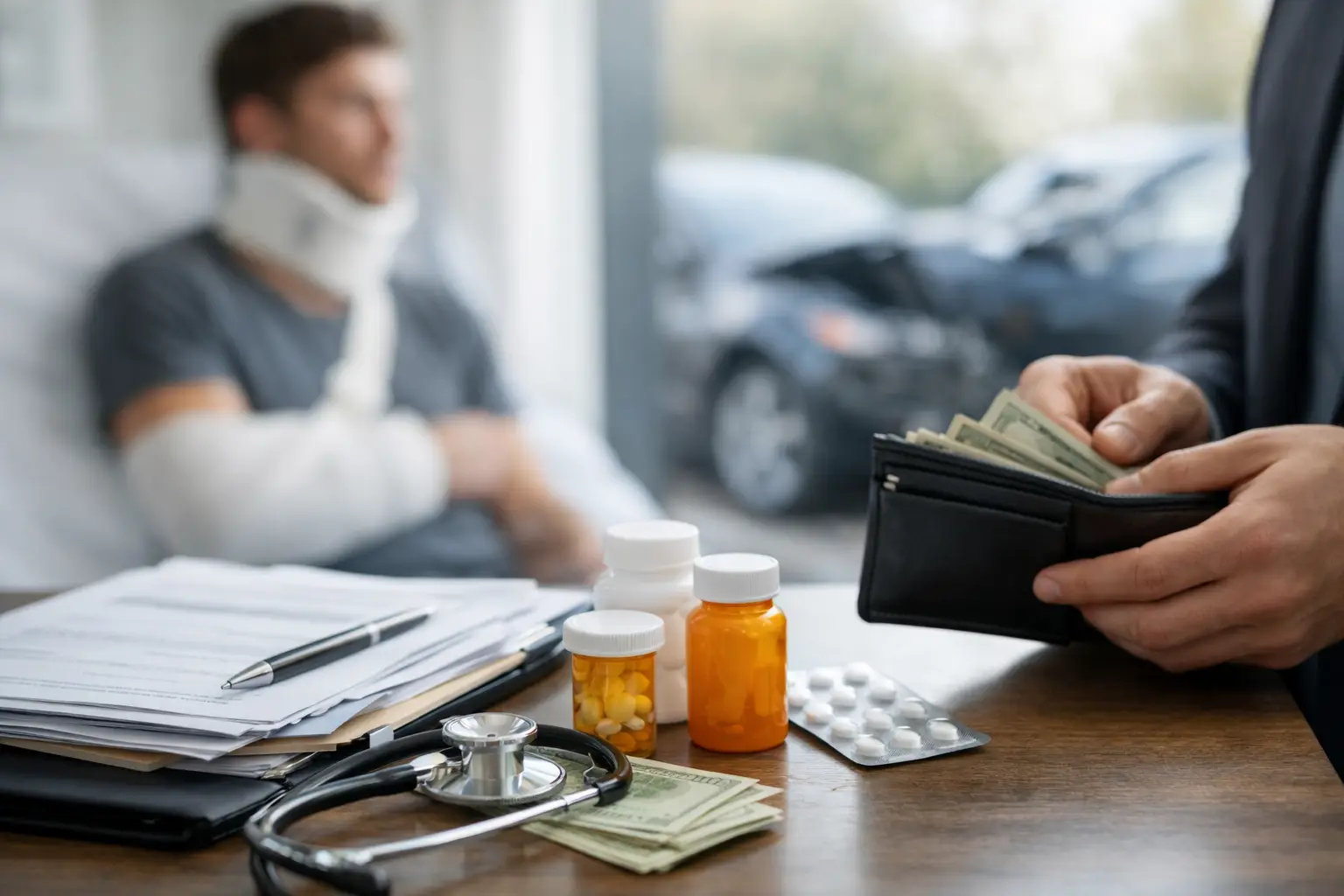
The ambulance ride is over, the ER visit is done, and then the bills start showing up. If you are asking who pays medical bills after car accident injuries, the short answer is this: usually not one source, not right away, and not always the at-fault driver’s insurer up front.
That surprises a lot of people in California. Many injured drivers and passengers assume the other driver’s insurance will immediately cover treatment. In reality, medical providers usually want payment as care is being provided, while the injury claim against the at-fault driver can take weeks or months to resolve. That gap is where people get stressed, and where the right legal guidance matters.
Who pays medical bills after car accident claims in California?
California is an at-fault state. That means the driver who caused the crash can be held financially responsible for the harm they caused, including medical expenses. But that does not mean their insurance company starts paying your hospital and doctor bills as they arrive.
Instead, your treatment is often paid first through whatever coverage or arrangements are available to you now. Later, those amounts may be reimbursed or included as part of a settlement or verdict. The details depend on the type of insurance available, how serious your injuries are, and whether fault is disputed.
The most common sources of payment
In many cases, health insurance is the first practical source of payment. If you have private health insurance, it may cover hospital visits, imaging, surgery, follow-up care, physical therapy, and prescriptions, subject to deductibles, copays, and network rules. This can help you get treatment without waiting for the car accident claim to finish.
If you purchased Med Pay coverage under your auto policy, that can also help. Med Pay is optional in California, but it can be extremely valuable because it may pay medical costs for you and your passengers regardless of who caused the crash. It often applies early, which makes it useful when bills are arriving fast.
Sometimes a medical provider will agree to treat on a lien. That means the provider delays collection and expects payment from your future settlement. This can be helpful if you do not have enough insurance coverage available right away, but it is not automatic, and not every provider will do it.
If another person caused the collision, their bodily injury liability insurance may ultimately pay your medical damages through a settlement. But that usually happens at the end of the case, not at the beginning.
Why the at-fault driver’s insurance usually does not pay right away
Insurance companies do not like paying piecemeal as treatment unfolds. They usually want to investigate liability, review records, evaluate whether the treatment was related to the crash, and wait until your condition is clearer before discussing full payment.
That matters because your case is not just about the first ambulance bill. It may include emergency care, specialists, rehab, future treatment, lost income, and pain and suffering. Settling too early can leave you paying for care out of your own pocket later.
This is one of the biggest mistakes injured people make. When pressure builds, a quick settlement can sound tempting. But if your injuries turn out to be more serious than they first appeared, that early check may not come close to covering the real cost.
Using health insurance after a crash
Many people hesitate to use health insurance because they think it will hurt their injury claim. Usually, it will not. In fact, using health insurance can be one of the smartest ways to keep treatment moving.
You still have the right to pursue a claim against the at-fault driver. Your insurer may later seek reimbursement from part of the settlement, depending on the policy and the facts of the case, but that is a separate issue from getting care now. The immediate priority after a serious crash is your health, not letting bills pile up while waiting on an adjuster.
There are trade-offs. Your doctor choices may be limited by the plan’s network, and you may still face deductibles or copays. But compared with delaying treatment, health insurance often provides a more stable path.
How Med Pay can help with accident bills
Med Pay is often overlooked until there is a crash. If you have it, it may cover medical expenses up to the policy limit no matter who was at fault. It can apply to ambulance charges, emergency room treatment, X-rays, and other early medical costs.
That can make a real difference in the first days after a wreck. Med Pay can reduce immediate financial pressure and, depending on the policy, may help cover out-of-pocket costs that health insurance leaves behind.
Not every driver carries Med Pay, and policy limits are often modest. Still, when it exists, it can be one of the fastest ways to get some bills handled.
What if you do not have health insurance or Med Pay?
This is where things get harder, but not hopeless. Some providers may agree to delay payment through a lien arrangement tied to your case. In serious injury claims, this can allow needed treatment to continue while the legal claim moves forward.
The downside is that lien-based treatment can create pressure on the final settlement because those providers expect to be paid from the recovery. The numbers matter. So does the strength of the liability case and the amount of insurance available.
If the driver who hit you has little or no insurance, there may be other coverage issues to examine, including your own uninsured or underinsured motorist protection if you carry it. These cases get technical fast, and mistakes are expensive.
What if you were partly at fault?
California follows comparative fault rules. That means you may still recover compensation even if you were partly responsible for the crash, but your recovery can be reduced by your share of fault.
For medical bills, this creates another reason the payment question is not always simple. Your providers still want to be paid. Your health insurance may still cover treatment. But the amount you eventually recover from the injury claim may be reduced if fault is shared.
Insurance companies know this and often use it as leverage. They may argue you caused part of the collision to push down the value of your case. That is one reason early statements to insurers should be handled carefully.
Keep every bill, record, and explanation of benefits
Medical costs after a crash are not always obvious on day one. There are the headline bills, like the ER and ambulance, and then there are the follow-up expenses that keep coming – specialists, imaging, prescriptions, physical therapy, mileage to appointments, and future care recommendations.
Good documentation helps prove what the crash really cost you. Keep every bill, every explanation of benefits, every receipt, and every treatment recommendation. If a provider says you will need future care, that matters too.
When the time comes to negotiate, details make a difference. A claim supported by organized records is harder for an insurance company to minimize.
When to speak with a lawyer about who pays medical bills after car accident injuries
If your injuries are minor and fully resolved quickly, the payment issues may be manageable. But if you were taken by ambulance, missed work, needed ongoing care, suffered fractures or head injuries, or are dealing with disputed fault, it is smart to get legal help early.
A personal injury lawyer can identify all available insurance, help coordinate billing issues, protect the value of your claim, and work to prevent a fast, low settlement from leaving you stuck with unpaid treatment. That is especially important when multiple insurers are involved or when providers are asserting liens.
For injured people on the Central Coast and throughout California, quick legal action can bring order to a chaotic situation. Firms with long experience handling accident claims, such as James McKiernan Lawyers, know how to deal with adjusters, providers, and the pressure injured people face when the bills arrive before the case is resolved.
The real answer is often: pay now, recover later
When people ask who pays medical bills after car accident cases, they are usually hoping for one clean answer. Most of the time, there is not one. Medical care is often paid first through health insurance, Med Pay, lien arrangements, or a combination of sources, and then addressed again when the injury claim settles.
That may feel unfair, especially when someone else caused the crash. But knowing how the process actually works helps you make better decisions. Get the treatment you need. Be careful with insurance conversations. Do not assume the first offer is enough. And if the bills are mounting, get help before a short-term fix turns into a long-term financial problem.
The right move after a crash is not just asking who should pay. It is making sure your recovery, your finances, and your legal rights are protected from the start.