What Is Premises Liability Law? A Guide for Victims
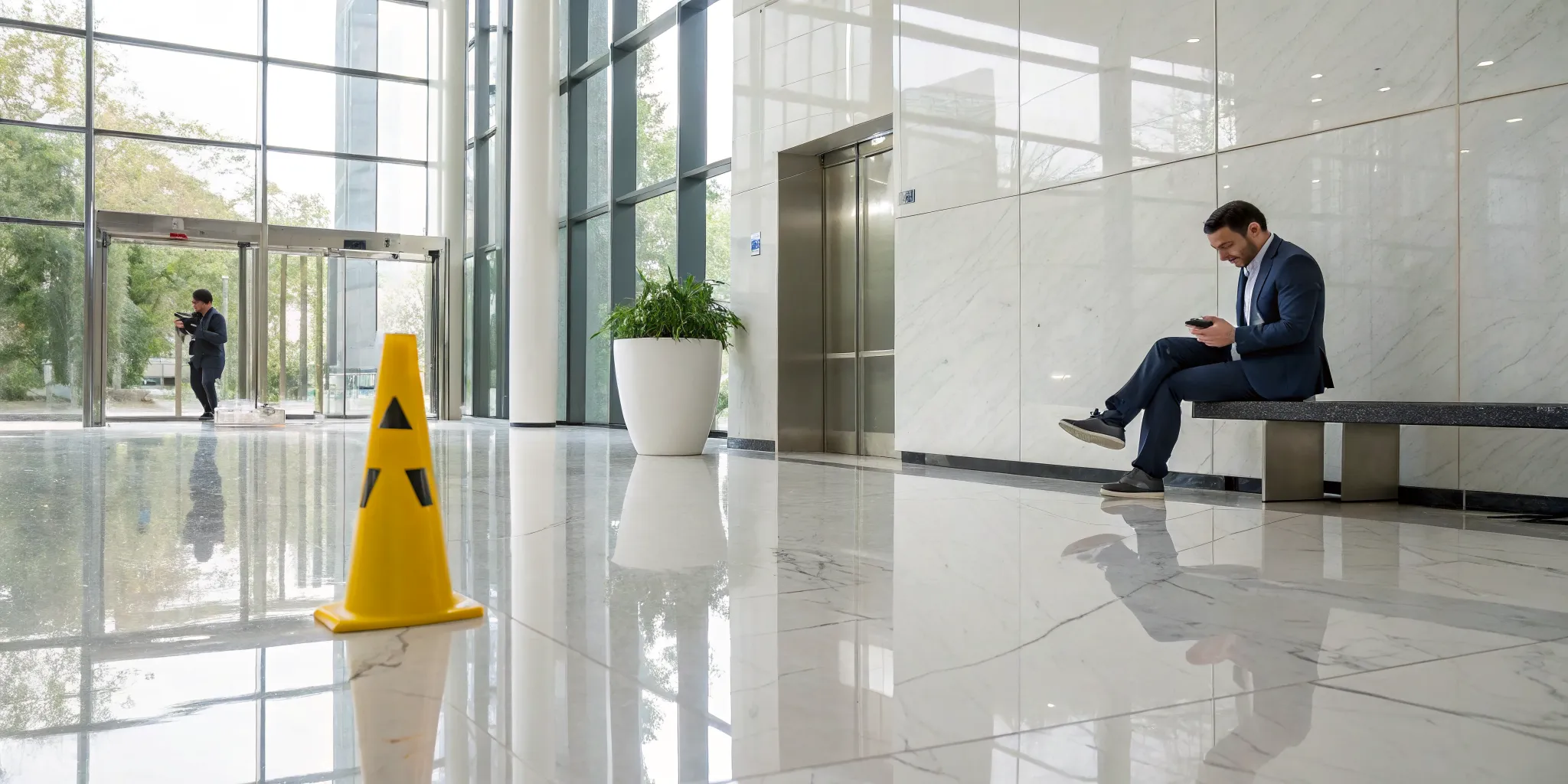
Many people think that getting hurt on someone else’s property only involves a classic slip and fall in a grocery store. While that is a common example, the reality is much broader. The legal field that covers these incidents, premises liability law, also applies to injuries from broken staircases, unsecured swimming pools, poor lighting in a parking garage, or even animal attacks. At its core, this area of law is about a property owner’s responsibility to prevent harm. If their failure to maintain a safe environment caused your injury, you have rights. Here, we’ll explore the different types of accidents and explain what it takes to prove your case.
Key Takeaways
- Owners Have a Duty to Keep You Safe: Property owners in California have a legal responsibility to maintain a safe environment. If their failure to fix a hazard leads to your injury, you have the right to hold them accountable.
- Proving Your Case Is About Connecting the Dots: A successful claim requires showing a clear link between the property owner’s carelessness and your injury. This involves gathering evidence to prove they knew about a dangerous condition but failed to act.
- Don’t Dismiss Your Claim if You Were Partially at Fault: California law allows you to seek compensation even if you share some responsibility for the accident. Your final award may be reduced, but being partially at fault does not prevent you from filing a claim.
What is Premises Liability Law?
Have you ever slipped on a wet floor in a grocery store or tripped over a cracked sidewalk? When an injury happens on someone else’s property, it’s natural to wonder who is responsible. This is where premises liability law comes into play. It’s the area of personal injury law that deals with injuries caused by unsafe or defective conditions on another person’s property.
At its heart, this legal principle is about accountability. It establishes that property owners, whether they are individuals or large corporations, have a duty to keep their environment safe for visitors. When they fail to do so through carelessness or neglect, and someone gets hurt, the law provides a path for the injured person to get help. Understanding the basics of premises liability is the first step toward protecting your rights and getting the support you need to recover after an accident. It ensures that you don’t have to bear the financial burden of an injury that wasn’t your fault.
Defining Premises Liability
Premises liability is a legal concept that holds property owners responsible for accidents and injuries that occur on their property. In California, owners have a fundamental legal responsibility to use reasonable care to keep their property in a safe condition. This isn’t just a polite suggestion; it’s a duty of care they owe to people who enter their space.
When a property owner knows about (or should have known about) a dangerous condition, fails to repair it, and someone gets hurt as a result, the owner can be held liable. This applies to a wide range of properties, including retail stores, restaurants, apartment complexes, and private homes.
Know Your Rights as a Visitor
If you were injured on someone else’s property, it’s crucial to know that you have rights. Premises liability laws are designed to protect you from the consequences of a property owner’s negligence. The specific level of care an owner must provide can sometimes depend on the reason you were on the property, for example, as a customer versus a social guest.
Regardless of the circumstances, if an unsafe condition caused your injury, you may be able to seek compensation for your losses. This financial recovery can help cover medical bills, ongoing therapy, and any wages you lost from being unable to work. These claims are intended for genuine injuries that stem directly from a property owner’s failure to maintain a safe environment.
Who Is Responsible for Your Injury?
After an accident, one of the first questions you’ll have is, “Who is at fault?” In a premises liability case, figuring out who is legally responsible for your injury is a critical first step. It might seem straightforward, but liability can sometimes be shared between multiple parties, or it might fall on a person or entity you didn’t expect. The responsible party is the one who owned, occupied, or controlled the property and failed to keep it reasonably safe. Let’s look at the most common parties held accountable in these situations.
Property Owners and Landlords
Property owners and landlords have a legal obligation to maintain their properties in a reasonably safe condition for visitors. This duty of care is the foundation of premises liability law. For a homeowner, this could mean fixing a loose handrail on a staircase or cleaning up a spill promptly. For a landlord, it involves ensuring common areas like hallways, parking lots, and lobbies are well-maintained, properly lit, and free from hazards. If they know about a dangerous condition (or should have known about it) and don’t take steps to fix it, they can be held responsible if someone gets hurt as a result.
Businesses and Tenants
It’s not always the property owner who is liable. Often, the business or individual leasing the space is also responsible for visitor safety. Think of a retail store in a shopping mall or a restaurant in a commercial building. While the property owner is responsible for the building’s structural integrity and common areas, the business tenant is responsible for the day-to-day safety within their leased space. This includes things like cleaning up spills, ensuring aisles are clear, and managing employee conduct. In many cases, both the property owner and the business that controls the property could share responsibility for an injury.
Government Agencies
If your injury happened on public property, like a city park, a public sidewalk, or inside a government building, you might have a claim against a government agency. However, these cases are very different from claims against private citizens or businesses. Suing a government entity involves a unique set of rules and much shorter, stricter deadlines for filing a claim. Missing these deadlines can mean losing your right to seek compensation entirely. Because of these complexities, it is incredibly important to speak with an experienced attorney as soon as possible if you were injured on public property.
Common Premises Liability Accidents
When you hear “premises liability,” you might immediately think of someone slipping on a wet floor in a grocery store. While that’s a classic example, these cases cover a much wider range of incidents where a property owner’s negligence leads to an injury. Understanding the different types of accidents can help you recognize if you have a valid claim and what steps you should take next. From poor security to an unsecured swimming pool, the owner’s responsibility is to keep you safe from foreseeable harm.
Slip and Fall Incidents
Slip and fall accidents are incredibly common and can happen anywhere, from a retail store to a private residence. These incidents are usually caused by a hazard that the property owner knew about, or should have known about, but failed to fix. This could be a freshly mopped floor without a warning sign, a cracked or uneven sidewalk, a poorly lit staircase, or a cluttered aisle. The key here is proving that a dangerous condition existed and the owner didn’t take reasonable steps to address it, which directly led to your fall and subsequent injuries.
Inadequate Security
Property owners have a duty to protect visitors from foreseeable criminal acts, and when they fail, it’s considered inadequate security. This often applies to commercial properties like apartment complexes, parking garages, hotels, and shopping malls. If you were assaulted or robbed in a place that lacked basic safety measures, the owner could be held responsible. Examples of negligence include broken locks on doors, poor lighting in common areas, a lack of security cameras, or failing to hire security personnel in a high-crime area. Your safety should be a priority, not an afterthought.
Dog Bites and Animal Attacks
In California, the law is very clear when it comes to dog bites. The state follows a “strict liability” rule, which means the dog’s owner is responsible for your injuries if their dog bites you, even if the dog has never shown aggression before. This applies whether you were on public property or lawfully on private property. The owner has a responsibility to control their animal and prevent it from harming others. This area of premises liability ensures that victims of animal attacks have a direct path to holding the owner accountable for medical bills and other damages.
Swimming Pool Accidents
Swimming pools can be incredibly dangerous, especially for children, which is why owners must follow strict safety rules. Legally, pools are often considered an “attractive nuisance,” meaning they can attract kids who don’t understand the risks. To prevent tragic accidents, property owners are required to have specific safety measures in place. This includes proper fencing with self-latching gates, clear warning signs, and regular maintenance to keep the pool and surrounding area safe. If these safety standards are ignored and someone gets hurt, the property owner can be held liable for their negligence.
How to Prove Your Premises Liability Claim
Winning a premises liability case isn’t as simple as showing you were injured on someone else’s property. You need to build a strong argument that connects your injury directly to the property owner’s carelessness. This process involves gathering evidence and clearly establishing a few key legal points. Think of it as telling a clear story, backed by facts, that shows why the owner is responsible for what happened to you. Successfully proving your claim is the most critical step toward getting the compensation you need to recover. It requires a methodical approach to demonstrate exactly how and why the property owner failed to keep you safe.
What Was Your Visitor Status?
The first piece of the puzzle is figuring out your legal status as a visitor at the time of the accident. In California, the level of responsibility a property owner owes you depends on why you were there. This is a key factor in your case.
- Invitee: This is someone invited onto a property for the owner’s commercial benefit, like a customer in a store or a client in an office. Invitees are owed the highest duty of care. The owner must actively inspect the property for dangers, fix them, and warn you about any potential hazards.
- Licensee: A licensee is a social guest, like a friend you invite over for dinner. The owner has a duty to warn you of any known dangers but isn’t required to inspect for hidden ones.
- Trespasser: Someone who enters a property without permission is a trespasser. Owners owe them the lowest duty of care, but they still cannot intentionally harm them.
Proving the Property Owner Was Negligent
Once your visitor status is clear, you have to show that the property owner was negligent. This isn’t about proving they’re a bad person; it’s about showing they failed to act with reasonable care. To do this, you and your attorney will work to establish four specific points:
- Duty of Care: The property owner had a legal responsibility to keep the premises reasonably safe for you.
- Breach of Duty: The owner failed to meet that responsibility. For example, they didn’t clean up a spill or fix a broken railing.
- Causation: The owner’s failure directly caused your injuries. You wouldn’t have been hurt if not for their carelessness.
- Damages: You suffered actual harm, such as medical bills, lost income, and pain.
Proving these elements is the foundation of a successful personal injury claim.
Linking Your Injury to Their Negligence
The final step is to draw a clear line from the property owner’s negligence to your injury. This means showing that the owner knew, or reasonably should have known, about the dangerous condition that hurt you and did nothing about it. For instance, if a leaky freezer in a grocery store created a puddle that was left for hours, the store should have known about it. This is different from a customer spilling a drink just seconds before you fell. Evidence is crucial here. Photos of the hazard, security camera footage, witness statements, and incident reports can all help establish that the owner had ample opportunity to fix the problem but failed to act. Filing a claim is about holding property owners accountable for these failures.
What Compensation Can You Receive?
If you’ve been injured on someone else’s property, you’re likely facing unexpected costs. A premises liability claim helps you recover compensation, legally known as “damages,” to manage the financial and personal impact of your injury. This isn’t about a windfall; it’s about getting the resources you need to cover your losses and get your life back on track. The total compensation depends on the specifics of your case, but damages generally fall into a few key categories covering your medical bills, lost income, and the physical and emotional toll of the accident.
Medical Expenses
After an accident, medical bills can pile up fast. You have the right to seek compensation for all medical care related to your injury, from the initial emergency room visit to ongoing physical therapy. This includes hospital stays, surgeries, medication, and rehabilitation costs. It’s crucial to keep detailed records of every expense. As the law firm Burg Simpson notes, “If you’re injured due to someone else’s carelessness, you might get money for medical bills, therapy, and wages you lost because you couldn’t work.”
Lost Wages and Future Earnings
An injury often means taking time off work to recover, leading to lost income. You can claim compensation for the wages you missed while you were unable to work. If your injury is severe enough to affect your ability to earn a living long-term, you may also be entitled to compensation for loss of earning capacity. This is especially important for victims with permanent disabilities that prevent them from returning to their previous job. This part of your claim helps provide crucial financial stability when your career is disrupted.
Pain and Suffering
Not all injuries are financial. The physical pain and emotional trauma from an accident are very real, and you deserve compensation for them. This category, often called “pain and suffering,” covers the non-economic impact of your injury, including physical pain, emotional distress, anxiety, and loss of enjoyment of life. As Gibson Hughes Law explains, “You can get money for pain and suffering… and other psychological impacts from the accident.” While it’s hard to put a number on this suffering, an experienced personal injury lawyer can help value these damages properly.
Common Myths That Can Weaken Your Case
When you’re dealing with an injury, misinformation can be your worst enemy. Common myths about premises liability often stop people from seeking the compensation they deserve for medical bills, lost income, and pain. Understanding the truth can make all the difference in your case. Let’s clear up a few of the most common misconceptions.
The Myth About Trespassers’ Rights
It’s a common assumption: if you were trespassing when you got hurt, you don’t have a case. While property owners owe a lower duty of care to trespassers, they aren’t completely off the hook. A property owner cannot intentionally harm a trespasser they know is on their land and must warn them of hidden dangers. The rules are even stricter for children under the attractive nuisance doctrine. For instance, an unfenced swimming pool could make a property owner liable if a child wanders in and gets hurt. Your legal standing isn’t always as clear-cut as you might think.
How Insurance Companies Fight Your Claim
After an accident, you’ll likely deal with the property owner’s insurance company, and it’s crucial to remember they are not on your side. Their goal is to protect their profits by paying as little as possible. They often do this by trying to shift the blame onto you, claiming your own carelessness caused the accident. They might also argue the property owner wasn’t negligent at all. An experienced attorney knows how to counter these tactics and will fight to make sure the insurance company offers a settlement that truly covers your losses.
What if You Were Partially at Fault?
Many people hesitate to call a lawyer because they worry they were partly to blame. Maybe you were looking at your phone when you tripped or weren’t paying full attention. In California, this doesn’t automatically disqualify your claim. Our state follows a “pure comparative negligence” rule, which means you can still recover damages even if you were partially at fault. A court will determine your percentage of fault, and your final compensation is reduced by that amount. If you are found 20% responsible, you can still collect 80% of the damages. Don’t let a minor mistake prevent you from seeking the compensation you deserve.
How to Choose the Right Attorney
Finding the right legal partner after an injury can feel like a monumental task, but it doesn’t have to be. The right attorney will not only handle the legal complexities for you but also provide the support you need to focus on your recovery. When you’re ready to start the conversation, focus on finding a lawyer who specializes in your type of case, is transparent about costs, and clearly explains what you can expect from the process. Taking these steps will help you find a team you can trust to fight for you.
Look for a Specialist
When you’re looking for a lawyer, it’s best to find someone who specializes in premises liability. A lawyer with deep experience in handling
Ask About Fees and Consultations
Don’t hesitate to talk about money upfront. A reputable attorney will be transparent about their fee structure. Many personal injury lawyers, including our team at James McKiernan Lawyers, work on a contingency fee basis. This means you don’t pay any attorney fees unless they win your case. The fee is then a percentage of the compensation you receive. During your initial consultation, which should be free, ask how their fees work and if there are any other costs you might be responsible for. This conversation ensures there are no surprises and helps you find a firm that fits your needs.
What to Expect Next
Once you’ve chosen your attorney, their team will get to work immediately. The first steps usually involve a thorough investigation of your accident. Your lawyer will start gathering evidence, such as photos, incident reports, and medical records. They will also interview witnesses and may consult with experts to build the strongest possible claim on your behalf. A good attorney will also be your guide through the legal process, keeping you informed about the progress of your case and what to expect at each stage. You should feel like you have a dedicated partner who is always ready to answer your questions.
Related Articles
- Find the Best Premises Liability Attorney in California
- Hiring a Premises Liability Attorney in Los Angeles
- How a Premises Liability Attorney Can Help You
- San Luis Obispo Slip and Fall Lawyers
Frequently Asked Questions
What should I do immediately after being injured on someone else’s property? Your first priority should always be your health, so seek medical attention right away, even if you feel your injuries are minor. After that, try to report the incident to the property owner, manager, or landlord and ask for a copy of the report. If you can, take photos of the exact location where you were hurt, capturing the hazardous condition that caused your injury. Finally, it’s a good idea to write down everything you remember about the accident as soon as possible while the details are still fresh in your mind.
How long do I have to file a premises liability lawsuit in California? In California, you generally have two years from the date of the injury to file a personal injury lawsuit. This deadline is known as the statute of limitations. However, if your injury occurred on government property, the rules are much stricter, and you typically have only six months to file a formal claim. Because these deadlines are firm, it is very important to speak with an attorney soon after your accident to protect your right to seek compensation.
What if the property owner fixed the dangerous condition right after my accident? It’s common for property owners to repair a hazard immediately after someone gets hurt. While this action can’t be used in court to prove they were negligent, it doesn’t ruin your case. In fact, it can sometimes serve as evidence that a dangerous condition existed in the first place. Your attorney can still use other evidence, like your photos, witness statements, and your own testimony, to build a strong claim based on the conditions at the time of your injury.
Can I still have a case if there were no witnesses to my accident? Yes, you can absolutely still have a valid case even if no one else saw you get hurt. While witness testimony can be helpful, it is not the only form of evidence. Your claim can be supported by other things, such as security camera footage, photos of the scene, incident reports, and your medical records. A skilled attorney will know how to investigate the accident and gather the necessary proof to show the property owner was responsible.
How much does it cost to hire a personal injury lawyer for my case? Most reputable personal injury law firms, including ours, handle premises liability cases on a contingency fee basis. This arrangement means you do not pay any attorney fees upfront. Instead, the lawyer’s fee is a percentage of the final settlement or verdict they obtain for you. If you don’t win your case, you don’t owe any attorney fees. This structure allows you to get expert legal help without worrying about the cost.