Can a Pedestrian Sue If Hit by a Car? Know Your Rights
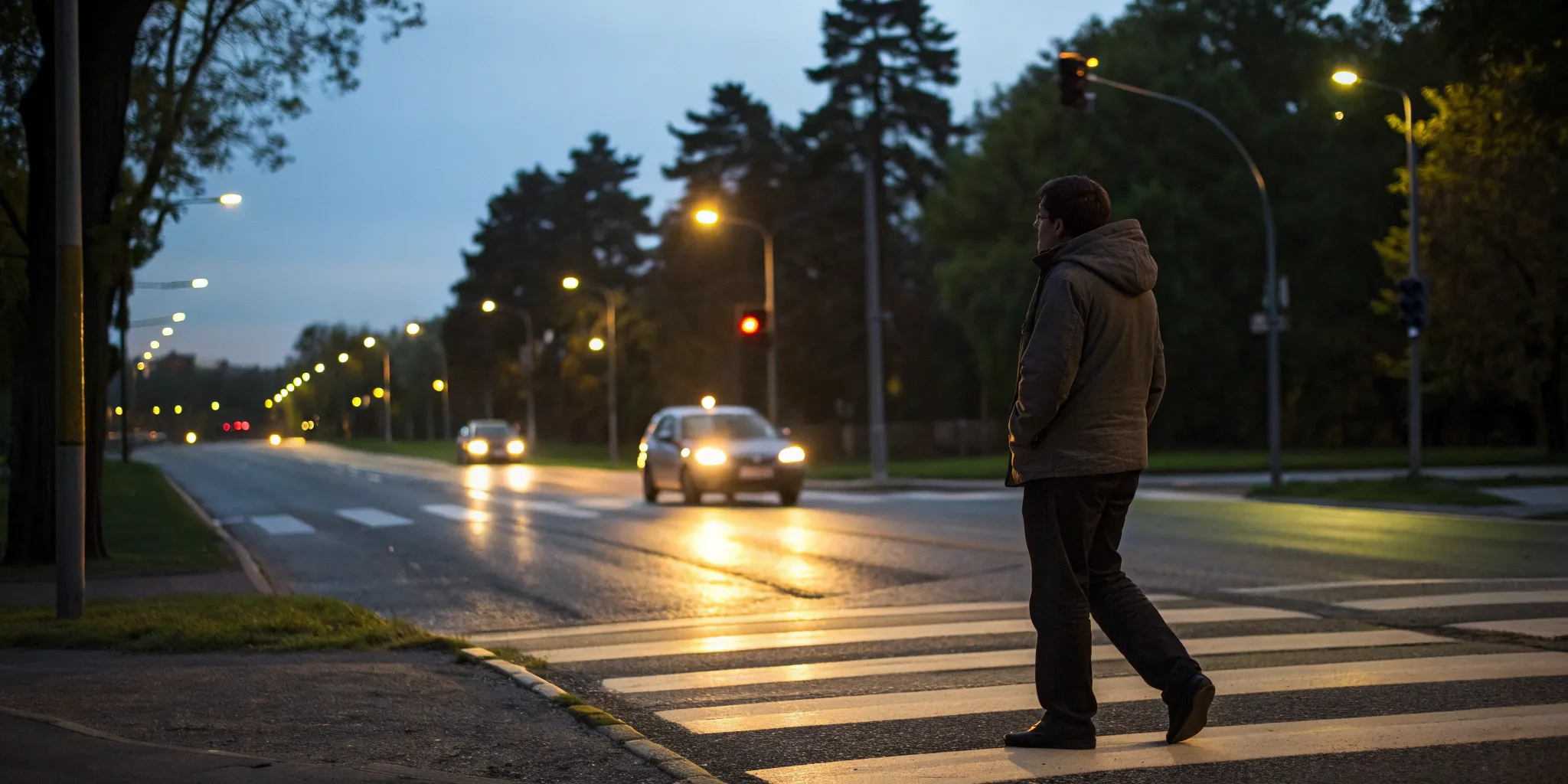
A common fear after being hit by a car is that you might have been partially at fault. Maybe you were crossing outside a crosswalk or were momentarily distracted. This worry often stops people from seeking help, but it shouldn’t. In California, even if you share some responsibility, you can still get compensation. The question can a pedestrian sue if hit by a car still has a “yes” answer, even if the situation isn’t perfectly clear-cut. The law uses a fair system to account for shared fault, ensuring you aren’t left with all the bills because of a minor mistake.
Key Takeaways
- Know the full scope of your compensation: A personal injury claim isn’t just for emergency room bills. You have the right to pursue payment for all related costs, including lost wages, future medical care, and the non-financial toll of pain and suffering.
- Protect your health and your case from the start: The actions you take immediately after an accident—seeking medical care, documenting the scene, and reporting the incident—create the essential foundation for proving your injuries and holding the right person accountable.
- Don’t let shared fault stop you from seeking justice: California law allows you to recover damages even if you were partially at fault for the accident. An attorney can defend you against insurance company tactics that try to unfairly shift the blame and reduce your rightful compensation.
Can You Sue If a Car Hits You While Walking?
If you’ve been hit by a car while walking, the short answer is yes, you absolutely can sue. When you’re dealing with injuries, medical bills, and the shock of the accident, filing a lawsuit might feel overwhelming, but it’s your primary path to getting the compensation you need to recover. The legal system is set up to protect pedestrians who are harmed by careless drivers.
The foundation of a personal injury case like this is the concept of negligence. Every driver has a legal responsibility, or a “duty of care,” to operate their vehicle safely and watch out for others on the road, especially pedestrians who are far more vulnerable. When a driver fails to uphold that responsibility—by speeding, texting, or simply not paying attention—and causes an accident, they are considered negligent. If that negligence leads to your injuries, you have the right to hold the driver financially responsible for the consequences. This includes covering your medical treatment, lost income from being unable to work, and the pain and suffering you’ve endured.
Know Your Rights as a Pedestrian
As a pedestrian in California, you have significant legal protections. The law recognizes that you are exposed and unprotected compared to someone inside a two-ton vehicle. One of the most important rules involves crosswalks. Drivers are legally required to yield the right-of-way at crosswalks to pedestrians, and this applies to both marked and unmarked intersections.
Even outside of a crosswalk, drivers still have a fundamental duty to exercise due care and avoid colliding with pedestrians. A driver can’t just ignore someone in the road; they must take reasonable steps to prevent an accident. Understanding these rights is the first step in recognizing that you have a strong basis for taking legal action after being hit.
When Do You Have a Case?
You have a potential case if you can show three key things. First, you need to establish that the driver was negligent. This means they acted carelessly in a way that a reasonable person would not have, like running a stop sign or looking at their phone instead of the road. Second, you must have suffered actual injuries as a result of the accident. These can be physical injuries, like broken bones, or emotional and psychological trauma.
Finally, you have to connect the driver’s carelessness directly to your injuries. In other words, the accident must be the cause of the harm you suffered. Successfully proving negligence is the core of your claim and is what allows you to seek compensation for your recovery.
What Compensation Can You Claim?
If you’ve been injured in a pedestrian accident, you’re likely facing unexpected costs and challenges. A personal injury claim allows you to seek compensation, often called “damages,” to cover these losses. The goal is to help you recover financially so you can focus on your physical and emotional healing. The specific compensation you can claim depends on the details of your accident and the extent of your injuries, but it generally falls into a few key categories.
Medical Bills and Future Care
From the initial ambulance ride and emergency room visit to ongoing physical therapy and future surgeries, medical expenses can add up quickly. You can claim compensation for all medical costs related to the accident. This includes hospital stays, doctor’s appointments, medication, and any necessary medical equipment. It’s also important to account for future care you may need. If your injuries require long-term treatment or rehabilitation, those anticipated costs can be included in your claim. Keeping meticulous records of all your medical treatments is crucial, as they provide clear evidence of your injuries and expenses.
Lost Income and Earning Ability
Being unable to work because of an injury can put a major strain on your finances. You are entitled to compensation for any wages you’ve lost while recovering. This covers everything from missed hourly pay to salaried income. Beyond the immediate loss, you can also claim damages for “loss of earning capacity.” This applies if your injuries prevent you from returning to your previous job or limit your ability to earn money in the future. This part of a claim helps account for the long-term financial impact the accident will have on your career and livelihood.
Pain and Suffering
Not all injuries are financial. The physical pain and emotional distress that follow an accident are significant, and you can be compensated for them. This category, known as “pain and suffering,” covers the non-economic impact of your injuries. It includes compensation for physical pain, emotional trauma, anxiety, and the loss of enjoyment of life. For example, if your injuries prevent you from participating in hobbies or activities you once loved, that loss is considered. While no amount of money can erase this suffering, it provides acknowledgment and resources for the hardship you’ve endured.
Wrongful Death Claims
In the most tragic cases, a pedestrian accident can result in a fatality. When this happens, certain surviving family members can file a wrongful death claim on behalf of their loved one. This type of lawsuit seeks compensation for the losses the family has suffered due to the death. Damages can include covering funeral and burial expenses, the income the deceased would have earned, and the loss of companionship, guidance, and support. It’s a way to hold the responsible party accountable and provide financial stability for the family left behind during an incredibly difficult time.
What Are the First Steps to Take After an Accident?
The moments after being hit by a car are chaotic and overwhelming. It’s hard to think clearly, but the actions you take right away can significantly impact your health and your ability to get fair compensation later. If you can, focus on these three critical steps to protect yourself.
Prioritize Your Medical Needs
Your health is the absolute priority. Even if you think you’re okay, you need to get a medical evaluation. The shock and adrenaline from an accident can easily mask pain from serious injuries, especially to the head or neck. Go to an urgent care clinic or the emergency room as soon as possible. This not only ensures you get the care you need but also creates an official medical record. This documentation is essential for linking your injuries directly to the accident, which is a cornerstone of any future personal injury claim. Don’t wait—a delay in treatment can be used by insurance companies to argue your injuries weren’t caused by the accident.
Document Everything at the Scene
If you are physically able, gather as much information as you can while you’re still at the scene. This evidence is much harder to collect later. Use your phone to take photos and videos of everything: the car that hit you (including the license plate), your injuries, property damage, traffic signals, and the surrounding area. Get the driver’s name, contact information, and insurance details. If there were any witnesses, ask for their names and phone numbers. Their objective accounts can be incredibly powerful. Finally, make a few notes for yourself about what happened, the time of day, and the weather conditions.
Report the Accident, But Don’t Admit Fault
Always call the police and have them file an official report. This report serves as a crucial piece of documentation for your case. When speaking to the driver and the police, stick to the facts of what happened. It’s natural to want to be polite, but avoid saying things like “I’m sorry” or “I’m okay.” These statements can be twisted and used against you as an admission of fault. You may not know all the factors that contributed to the accident, so let the investigation determine fault. Your only job is to state what you saw and experienced without accepting any blame.
How Is Fault Decided in a Pedestrian Accident?
After an accident, one of the first questions that comes up is, “Who was at fault?” It might seem obvious that the driver is responsible, but California law looks at the situation from all angles. The core of the issue comes down to a legal concept called “negligence.” In simple terms, the law asks if the driver failed to use reasonable care, and if that failure led to your injuries.
This isn’t always a black-and-white determination. Investigators and lawyers will look at the actions of everyone involved, the specific location, and other conditions at the time of the accident. For example, was the driver speeding or texting? Were you crossing in a marked crosswalk? Was a stop sign hidden by a tree branch? Answering these questions helps build a clear picture of how the accident happened and who is legally responsible for the harm you’ve suffered. Understanding how fault is determined is the first step toward building a strong case.
Proving the Driver Was Negligent
To hold a driver responsible, you need to prove they were negligent. This means showing they didn’t act with the same level of care that a reasonably cautious person would in the same situation. Common examples of driver negligence include distracted driving, speeding, running a red light, or failing to yield to a pedestrian. To build your case, you and your attorney will need to establish three key points: the driver had a duty to be careful, they breached that duty through their actions, and their actions directly caused your injuries. Proving legal negligence is the foundation of any personal injury claim.
How Right-of-Way Rules Affect Your Case
California’s traffic laws are very clear about protecting pedestrians. In most situations, especially in marked or unmarked crosswalks, pedestrians have the right-of-way. If a driver fails to yield and hits you in a crosswalk, they are almost always considered at fault. However, pedestrians also have a responsibility to be careful, like obeying “Don’t Walk” signals and not suddenly stepping into traffic. It’s important to know that even if you were partially at fault, you can still seek compensation. California’s laws recognize that multiple factors can contribute to an accident, and you shouldn’t be left with all the bills just because you shared a small amount of blame. You can learn more about the specific rules for pedestrians and drivers directly from the DMV.
Do Road or Weather Conditions Matter?
Absolutely. The driver’s behavior is a huge piece of the puzzle, but it’s not the only one. External factors can play a significant role in causing a pedestrian accident. Things like poorly lit streets, faded crosswalk lines, or even a pothole that causes a driver to swerve can contribute to a collision. Similarly, bad weather like heavy rain or fog can reduce visibility for everyone. In some cases, a government entity could be held partially responsible for failing to maintain safe road conditions. A thorough investigation will look beyond just the driver and pedestrian to identify every factor that led to your injuries.
Can You Still Get Compensation If You Were Partially at Fault?
It’s a common worry after an accident: “What if I was partially to blame?” Maybe you were looking at your phone for a second or crossed the street outside of a designated crosswalk. It’s easy to assume that means you don’t have a case, but in California, that’s simply not true. The law recognizes that accidents are often complex, and fault isn’t always a 100/0 split. You can absolutely still seek compensation even if you share some responsibility for what happened. The key is understanding how California handles these situations.
How California’s “Comparative Negligence” Law Works
California operates under a legal principle called “pure comparative negligence.” It’s a fair system that says your compensation is simply reduced by your percentage of fault. Let’s say the total damages for your injuries, lost wages, and pain are calculated at $100,000. If a court determines you were 20% at fault for the accident, you could still recover the other 80%, which would be $80,000. Unlike some states that bar you from recovering anything if you’re even slightly at fault, California law allows you to pursue a claim no matter your degree of responsibility.
How Sharing Fault Affects Your Settlement
So, how is your percentage of fault decided? It’s determined by looking at all the evidence—the police report, witness statements, traffic camera footage, and more. This is where things can get contentious. The driver’s insurance company will work hard to shift as much blame as possible onto you to minimize their payout. They might argue you were distracted or not paying attention. Having an experienced attorney on your side is crucial to counter these tactics and present a strong case that accurately reflects the driver’s negligence and protects your right to fair compensation.
What Evidence Will Strengthen Your Case?
Building a strong personal injury claim depends on having solid proof. Evidence is what tells the story of what happened, who was at fault, and how the accident has impacted your life. The more compelling your evidence, the better your position when negotiating with insurance companies or presenting your case in court. While gathering proof might feel overwhelming right after an accident, collecting a few key pieces of information can make a significant difference in the outcome of your claim.
Medical Records and Injury Reports
Your health should always be your top priority. It’s essential to see a doctor right after an accident, even if you feel fine. Some serious injuries, like concussions or internal damage, don’t always show immediate symptoms. Seeking prompt medical care creates an official record that directly links your injuries to the accident. These medical documents serve as critical evidence, detailing the extent of your injuries, the treatments you received, and the projected costs of future care. This formal documentation is one of the most powerful tools you have to prove the physical and financial toll of the accident.
Photos, Videos, and Witness Accounts
If you are physically able, documenting the scene immediately after the accident can provide invaluable evidence. Use your phone to take pictures and videos of everything you can. Capture your injuries, the vehicle that hit you (including the license plate), the surrounding area like crosswalks or traffic signals, and any property damage. It’s also incredibly helpful to speak with anyone who saw the accident. Ask for their names and phone numbers. An independent witness statement can offer an unbiased account of what happened, which can be very persuasive in supporting your version of events and proving the driver’s fault.
Expert Analysis and Accident Reconstruction
Sometimes, the facts of a case aren’t immediately clear. This is where an experienced personal injury lawyer can help by bringing in experts to analyze the evidence. An accident reconstruction specialist can examine photos, police reports, and vehicle damage to determine factors like the driver’s speed and the sequence of events. Your legal team can also find security camera footage from nearby businesses that may have captured the incident. Additionally, medical and financial experts can provide testimony about the long-term effects of your injuries and calculate your future lost income, ensuring you claim the full compensation you deserve.
How Long Do You Have to File a Lawsuit in California?
After an accident, your focus is rightly on healing. However, it’s important to know that you have a limited window of time to take legal action. In the legal world, this deadline is called the “statute of limitations.” It’s a law that sets a strict time limit on your right to file a lawsuit.
Missing this deadline can mean losing your ability to recover any compensation for your injuries, no matter how strong your case is. That’s why understanding this timeline is one of the most critical first steps in protecting your rights as an injured pedestrian.
The Statute of Limitations for Personal Injury
In California, the statute of limitations for most personal injury cases is two years from the date of the accident. If a car hits you while you’re walking, the clock starts ticking the moment the accident happens. This two-year deadline applies to your claim against the driver who caused your injuries.
While two years might sound like a long time, building a strong case involves gathering evidence, consulting with experts, and negotiating with insurance companies—all of which takes time. Waiting too long can put your claim at risk. Understanding the specifics of California’s personal injury laws is key to ensuring you don’t miss this crucial window.
Are There Exceptions to the Filing Deadline?
While the two-year rule is standard, California law recognizes that some situations require more flexibility. There are a few key exceptions that can change your filing deadline. For example, if the injured pedestrian is a minor (under 18), the statute of limitations is usually paused, or “tolled,” until they turn 18.
Another important exception is the “discovery rule.” Sometimes, an injury isn’t immediately obvious. The discovery rule states that the two-year clock doesn’t start until you discover the injury or reasonably should have discovered it. Because the personal injury statute of limitations can be complex, it’s always best to speak with an attorney to figure out the exact deadline for your specific situation.
What Challenges Can You Expect in a Lawsuit?
Filing a lawsuit after being hit by a car can feel like an uphill battle, and it helps to know what you’re up against. The path to fair compensation isn’t always straightforward, and you will likely face a few hurdles. The two biggest challenges often come from the at-fault driver’s insurance company and the legal arguments their defense team will use to avoid paying what you deserve. Understanding these tactics ahead of time is one of the best ways to protect your rights and prepare for the road ahead. Knowing what to expect can give you the confidence to stand firm and focus on your recovery while your legal team handles the fight.
Dealing with Insurance Company Tactics
Soon after an accident, you can expect a call from the other driver’s insurance adjuster. Remember, their primary goal is to protect their company’s bottom line by paying as little as possible. They may sound friendly and concerned, but they are trained to find ways to minimize or deny your claim. A common tactic is to offer a quick, lowball settlement that might not cover your future medical needs. They may also ask to record your statement, hoping you’ll unintentionally say something that hurts your case. This is why it’s so important to let your lawyer handle all communications with the insurance company. An attorney will protect you from these pressure tactics and build a strong claim backed by solid evidence.
Common Defenses Used Against Pedestrians
It’s a common myth that the driver is always at fault when a car hits a pedestrian. The driver’s defense team will work hard to shift at least some of the blame onto you. They might argue that you were jaywalking, distracted by your phone, wearing dark clothing at night, or crossing against a traffic signal. However, even if you were partially responsible, you don’t lose your right to seek compensation. California follows a “pure comparative negligence” rule, which means you can still recover damages. Your final settlement will simply be reduced by your percentage of fault. For example, if you were found 10% at fault, your compensation would be reduced by 10%.
Key Legal Terms You Should Know
When you’re dealing with the aftermath of an accident, legal jargon can feel like another language. But understanding a few key terms can make the process much less intimidating and help you grasp what’s happening with your case. Think of this as your cheat sheet for the most common concepts you’ll encounter as you seek the compensation you deserve. Knowing this vocabulary will empower you to have more confident conversations with lawyers and insurance adjusters.
Negligence vs. Negligence Per Se
Most personal injury cases hinge on the concept of negligence. In simple terms, negligence is when someone fails to act with reasonable care, and that failure causes harm to another person. For example, a driver who is texting instead of watching the road is not acting with reasonable care. To win a case, your attorney must prove the driver was negligent and that their negligence directly caused your injuries.
Sometimes, the situation is more clear-cut. If a driver caused your accident while breaking a safety law—like running a red light or speeding—it’s called negligence per se. The act of breaking the law is considered inherently negligent. This can make it easier to establish fault because you don’t have to argue about what a “reasonable” person would have done; the driver simply broke the law, and you were injured as a result.
Premises Liability and Wrongful Death
If your accident happened because of an unsafe condition on someone else’s property, like a cracked sidewalk or a poorly lit parking lot, your case may involve premises liability. This legal concept holds property owners responsible for maintaining a safe environment for visitors. This applies to both private homeowners and public entities, like a city government. If they fail to keep their property reasonably safe and you get hurt, they can be held accountable for your injuries.
In the most tragic cases, an accident can result in a fatality. When this happens, the victim’s surviving family members may be able to file a wrongful death claim. This type of lawsuit seeks compensation for the devastating losses the family has suffered. A wrongful death claim can help cover damages like the income the person would have earned, funeral and burial expenses, and the loss of companionship and support. It’s a way to secure financial stability for the family while holding the responsible party accountable.
When Is It Time to Hire a Personal Injury Lawyer?
After an accident, the thought of hiring a lawyer can feel like another major stressor. But the reality is, the sooner you have a professional on your side, the better protected you will be. This is especially true if you’ve suffered serious injuries that prevent you from managing the details of your case. An experienced attorney doesn’t just handle paperwork; they become your advocate, fighting for your best interests while you concentrate on your recovery.
Insurance companies have teams of adjusters and lawyers working to protect their bottom line, which often means paying you as little as possible. Having your own legal expert levels the playing field. They can immediately start preserving evidence and building a strong foundation for your claim, ensuring you don’t miss critical deadlines or make statements that could harm your case down the road.
The Benefits of Professional Legal Help
A personal injury lawyer takes the complex legal burdens off your shoulders. Their job is to manage all the details, from gathering police reports and medical records to interviewing witnesses and collecting security camera footage. They are skilled negotiators who will handle all communications with the insurance companies, fighting back against lowball settlement offers.
Most importantly, an attorney can accurately calculate the full value of your claim. This includes not just your current medical bills but also future treatment costs, lost wages, and the non-economic impact of pain and suffering. Getting help from a lawyer is the surest way to understand your legal rights and work toward the fair compensation you need to rebuild your life after an accident.
What to Look For in a Pedestrian Accident Attorney
When choosing an attorney, you want someone with specific experience in California personal injury and pedestrian accident cases. Look for a firm with a proven track record of success in securing favorable settlements and verdicts for their clients. It’s also important to find a lawyer you feel comfortable with—someone who communicates clearly and keeps you informed every step of the way.
Don’t hesitate to contact a skilled lawyer as soon as possible for a consultation. Most personal injury firms, including ours, work on a contingency fee basis. This means you don’t pay any attorney’s fees unless they win your case. This arrangement allows you to get expert legal help without any upfront financial risk, so you can focus entirely on your health.
Related Articles
- Why Is California Experiencing a Spike in Pedestrian Accidents?
- Why Are Pedestrian Accidents Becoming More Common?
- Hit by a Car as a Pedestrian? What to Do Next
- Expert Pedestrian Accident Lawyer – James McKiernan Lawyers
- Pedestrian Safety Lawyers – James McKiernan Lawyers
Frequently Asked Questions
What if the driver who hit me was uninsured or fled the scene? This is a stressful and unfortunately common situation, but you still have options. Your own car insurance policy may include Uninsured/Underinsured Motorist (UIM) coverage, which can apply even when you were a pedestrian. This coverage is designed to protect you in a hit-and-run or when the at-fault driver lacks sufficient insurance. An attorney can help you review your policy and file a claim to ensure you get the compensation you need for your recovery.
How much is my pedestrian accident case actually worth? There is no simple calculator for determining the value of a personal injury claim because every case is unique. The final amount depends on several specific factors, including the severity of your injuries, the total cost of your medical treatment both now and in the future, how much income you’ve lost, and the overall impact the accident has had on your quality of life. A thorough evaluation by an experienced lawyer is the best way to understand what fair compensation looks like for your specific circumstances.
Will I definitely have to go to court to get compensation? Not necessarily. In fact, the vast majority of personal injury cases are resolved through a settlement agreement without ever going to trial. Filing a lawsuit is often a strategic step to show the insurance company that you are serious about your claim, which can prompt a fair settlement offer. The primary goal is always to negotiate the best possible outcome for you, and going to court is typically the final option if a fair agreement cannot be reached.
What if I was jaywalking when the accident happened? Even if you were crossing outside of a designated crosswalk, you are not automatically barred from receiving compensation. California law uses a “comparative negligence” system, which means responsibility can be shared. While your actions might reduce the total amount you can recover, the driver still has a fundamental duty to pay attention and avoid a collision. The circumstances of the accident will be investigated to determine how much fault is assigned to each party.
How can I afford a lawyer when I’m already facing medical bills and can’t work? This is a major concern for many people, which is why personal injury lawyers work on a contingency fee basis. This means you pay absolutely nothing upfront. Your attorney’s fees are paid as a percentage of the settlement or award they win for you. If you don’t win your case, you don’t owe any attorney fees. This structure ensures that everyone has access to quality legal representation, regardless of their financial situation.